
William G. Morgan: Inventor of Volleyball and YMCA Physical Educator
William G. Morgan (1870–1942) was an American physical educator who created the game originally called "Mintonette" in 1895, later known as volleyball, to provide a less strenuous team sport at the YMCA.
Overview
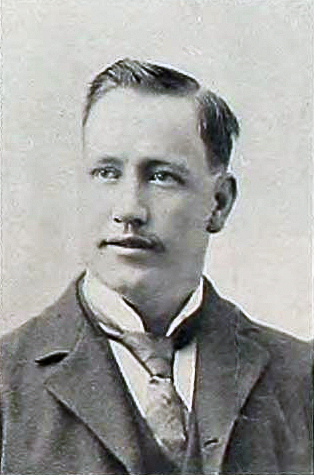
William George Morgan (23 January 1870 – 27 December 1942) was an American educator and businessman best known for creating the game that became modern volleyball. Trained in physical education, Morgan designed his sport to suit adults and older YMCA members who wanted team activity without the full physical contact or pace of basketball.
Image gallery
3 Images

Background and education
Born in Lockport, New York, Morgan pursued training in physical education at Springfield College, where he encountered contemporary innovators in gymnasium work. While a student he met James Naismith, the inventor of basketball, whose ideas about invented games and organized exercise influenced Morgan. After leaving Springfield he worked for the YMCA, taking a position in Holyoke, Massachusetts, where he later developed his new game. The connection to his hometown is reflected in his later years when he returned to Lockport, New York.
Invention of "Mintonette"
In 1895 Morgan introduced a game he originally called "Mintonette." He combined elements from several sports—tennis, handball and badminton—into a net game emphasizing cooperative volleying rather than physical contact. The rules and equipment were modest: a raised net, a ball designed for easy handling, and teams that exchanged volleys. Observers soon suggested the name be changed to better reflect the play; the name "volleyball" was proposed and gained acceptance within a few years.
Characteristics and early rules
- Non-contact team play centered on keeping a ball in the air over a net.
- Emphasis on skillful passing and coordinated team movement rather than sprinting or physical collision.
- Adaptable rules allowed play indoors or outdoors and accommodated a wide range of ages and fitness levels.
Influence, development, and legacy
Morgan's creation quickly spread through YMCA networks and recreational groups, evolving into both informal recreation and organized competition. Over decades, standardized rules, specialized balls and competitive formats developed, and the sport became an international pastime and a high-level competitive discipline—included in the Olympic Games in the 20th century. Morgan's intent—to provide an inclusive, lower-impact team sport—remains visible in volleyball's enduring popularity in schools, community centers and professional leagues worldwide.
Later life and death
After a career in physical education and business, Morgan returned to his roots and spent his final years in Lockport. He died there on 27 December 1942 of pneumonia. The game he created continues to be widely played and is often cited alongside the innovations of contemporaries such as Naismith as a formative contribution to modern team sports and physical education initiatives at the YMCA and beyond.
Notable facts
- Original name: "Mintonette," later changed to "volleyball."
- Invented in 1895 in Holyoke, Massachusetts, while Morgan was working at a YMCA.
- Morgan's design prioritized accessibility for older or less athletic participants, expanding recreational options in community settings.
Related articles
Author
AlegsaOnline.com William G. Morgan: Inventor of Volleyball and YMCA Physical Educator Leandro Alegsa
URL: https://en.alegsaonline.com/art/108225
Sources
- carl-leonard.com : carl-leonard.com/tag/william-g-morgan/
- todayifoundout.com : "February 9th: William G. Morgan Invents a Game Called Mintonette that is Better Known Today as Volleyball"