
William Godwin: Philosopher, Novelist, and Radical Thinker (1756–1836)
Overview of William Godwin, his political philosophy, novels, personal life with Mary Wollstonecraft, and his influence on anarchism, utilitarianism, and 19th-century literature.
William Godwin (3 March 1756 – 7 April 1836) was an English writer whose work spans political theory, journalism and fiction. In print and conversation he argued for the power of reason, individual conscience, and social improvement. Godwin combined moral argument with vivid storytelling, producing both the influential political treatise An Enquiry Concerning Political Justice and the novel Things as They Are; or, The Adventures of Caleb Williams. He is often cited as an early proponent of philosophical anarchism and as a figure who engaged with the moral calculus later associated with utilitarian thinking. For notes on his occupations see journalist, political philosopher and novelist.
Image gallery
5 Images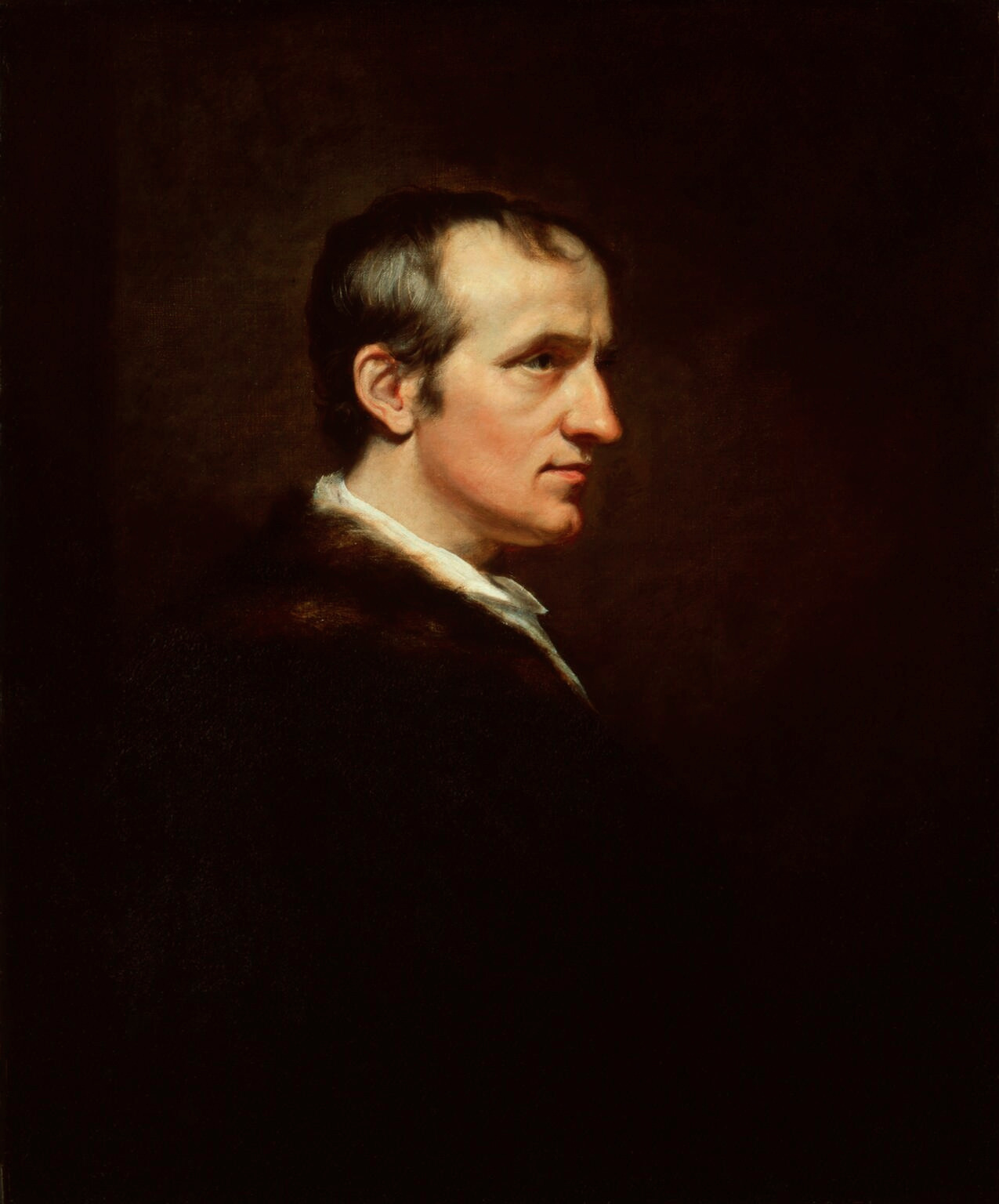


Political thought and major arguments
Godwin rejected authority based on tradition or coercion and urged that progress comes through reasoned persuasion and education rather than force. His political writing criticizes institutions that he believed perpetuated injustice and dependency. He emphasized moral improvement, the cultivation of independent judgment, and the removal of social barriers that prevent people from acting rationally and benevolently. While not identical with later schools, his stress on consequences and human well-being places him in dialogue with broader utilitarian currents; he is sometimes described as an early exponent of utilitarianism, though his ethical method retained distinctive emphases on moral perfectionism and individual improvement.
Literary work and innovations
Godwin reached a wider audience through fiction. Caleb Williams uses the form of a suspenseful, morally engaged narrative to expose abuses of power and the precariousness of liberty under entrenched privilege. The novel blends social critique with psychological insight, contributing to the development of the realist and investigative strands of the modern novel. Its focus on the workings of the legal system and the dynamics of class made it a pointed attack on aristocratic privilege and a model for politically conscious fiction.
Personal life and associations
Godwin’s private life intersected with his public ideas. He married the writer and advocate Mary Wollstonecraft; their relationship brought together two prominent radical minds of the period. Wollstonecraft died soon after childbirth, leaving their daughter Mary, who later became the author of Frankenstein. Godwin’s household and publishing activities connected him to an extended circle of writers and reformers, creating a lively intellectual salon that linked literary and political debates. For details on Wollstonecraft see Mary Wollstonecraft.
Influence, reception, and legacy
Contemporaries and later thinkers variously praised and criticized Godwin. He influenced early 19th-century radicals, writers in the Romantic milieu, and subsequent political theorists who grappled with questions of authority, rights, and social change. His insistence on reason and his skepticism of institutional corruption resonated with reformist movements, even as critics argued his faith in perfectibility underestimated entrenched social forces. The novel Caleb Williams is often read as a precursor to investigative and psychological fiction, while his political writings continue to be discussed in histories of anarchist and liberal thought.
Notable distinctions
- Combination of political theory and imaginative literature to critique power and law.
- A nonviolent, rationalist approach to social reform that influenced later anarchist currents.
- Family and intellectual ties that linked him to key figures in early feminist and Romantic circles.
Readers exploring Godwin can follow his essays and fiction to trace how abstract political principles were applied to concrete social problems. His work remains a useful point of departure for conversations about the limits of state power, the role of education in reform, and the capacity of fiction to illuminate political life.
journalist | political philosopher | novelist | utilitarianism | aristocratic | Mary Wollstonecraft
Related articles
Author
AlegsaOnline.com William Godwin: Philosopher, Novelist, and Radical Thinker (1756–1836) Leandro Alegsa
URL: https://en.alegsaonline.com/art/108226