
Holyoke, Massachusetts: history, industry, and cultural highlights
Holyoke is a planned industrial city in western Massachusetts, settled in 1745 and incorporated in 1850. Known historically as the “Paper City,” it retains industrial architecture, canals, and cultural institutions.

Overview — Holyoke is a small city in western Massachusetts, located along the Connecticut River near Springfield. Settled in the mid-18th century and incorporated in 1850, Holyoke grew rapidly in the 19th century as an industrial center; at the 2010 U.S. census it had roughly 40,000 residents. The city is part of the broader Pioneer Valley region of Massachusetts.
Image gallery
10 Images


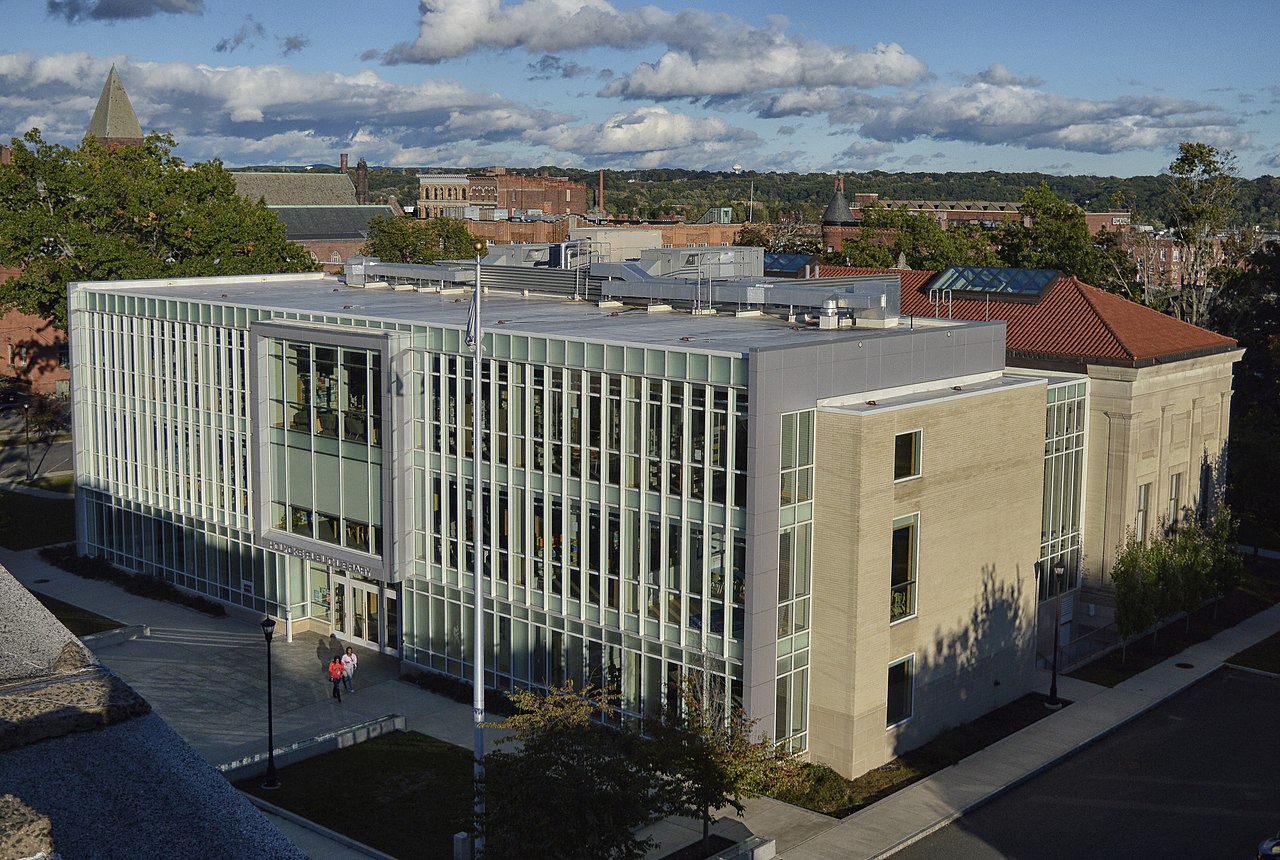

Characteristics and built environment
Holyoke is notable for its engineered landscape: a planned grid of streets, a network of canals and raceways, and dense mill complexes along the river. These features were built to harness water power for factories, especially paper mills. Many brick mill buildings, bridges, and the historic dam remain visible and have been repurposed for new uses.
History and development
The city developed during the Industrial Revolution when entrepreneurs concentrated textile and paper production where hydraulic power was available. Holyoke earned the nickname "Paper City" because of its extensive paper manufacturing. Immigration and labor movements shaped its neighborhoods, and successive waves of residents contributed to a diverse cultural fabric.

Economy, culture, and institutions
Although large-scale paper production has diminished, Holyoke retains light industry, municipal utilities, and a growing creative economy that often uses former mill space for studios, offices, and small manufacturers. The city hosts cultural landmarks such as the Wistariahurst Museum and a restored vintage carousel, and it supports community colleges and arts organizations.
Notable facts and visitor highlights
- Historic canal system and riverfront mills are central to the city’s identity.
- Holyoke holds annual community events and parades that reflect its immigrant and contemporary communities.
- Nearby natural features include the Holyoke Range and Mount Tom, offering outdoor recreation close to the city.
Today Holyoke blends industrial heritage with ongoing revitalization efforts: adaptive reuse of mill buildings, investment in municipal services, and cultural programming aim to preserve the city’s past while supporting a diverse, 21st-century community.
Related articles
Author
AlegsaOnline.com Holyoke, Massachusetts: history, industry, and cultural highlights Leandro Alegsa
URL: https://en.alegsaonline.com/art/44836