
James Naismith: Inventor of Basketball and Early Influencer in North American Sport
Biography and legacy of James Naismith, the Canadian-born physical educator who invented basketball in 1891, developed its original rules, coached at the University of Kansas, and shaped the sport's early growth and recognition.
Overview
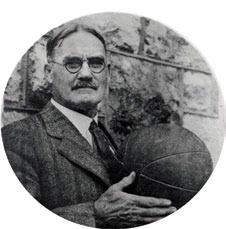
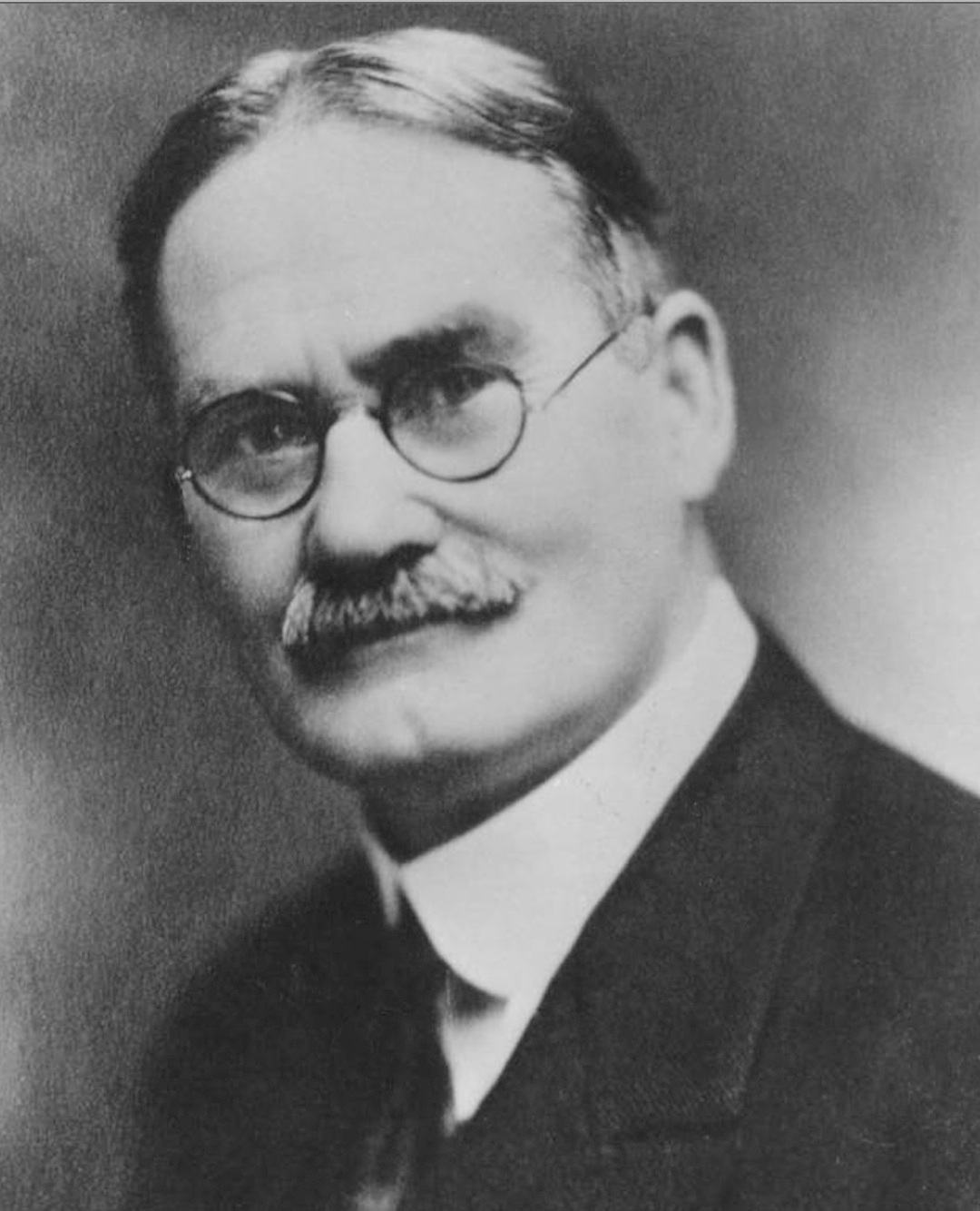
James Naismith (November 6, 1861 – November 28, 1939) was a Canadian-born physical educator who became a naturalized American citizen and a formative figure in modern sport. He is best known as the inventor of the indoor game that became basketball. Trained as a teacher and physical instructor, Naismith combined practical needs and pedagogical aims to invent a game intended to promote fitness, teamwork and fair play in confined spaces.
Image gallery
10 Images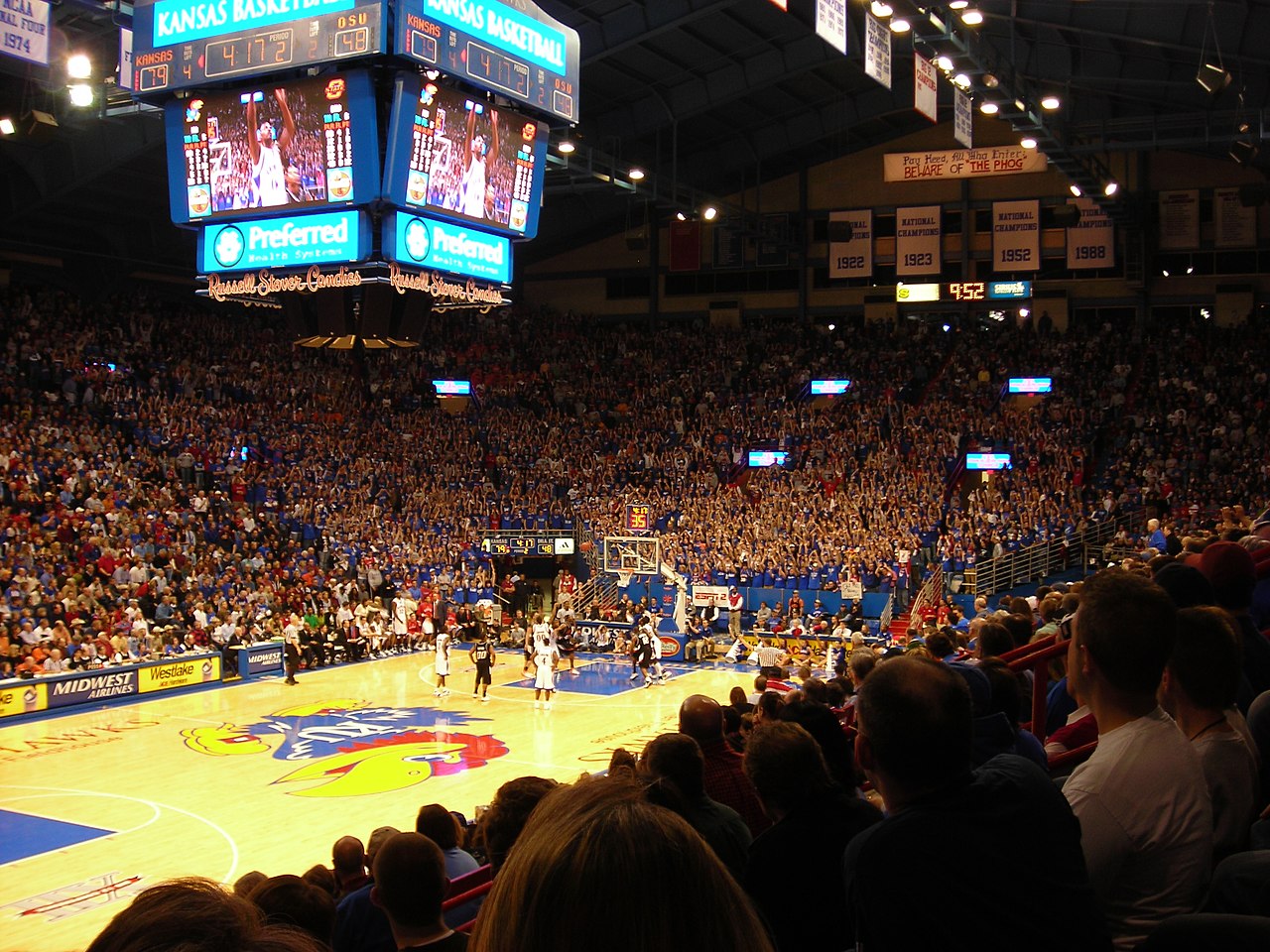





Invention and early rules
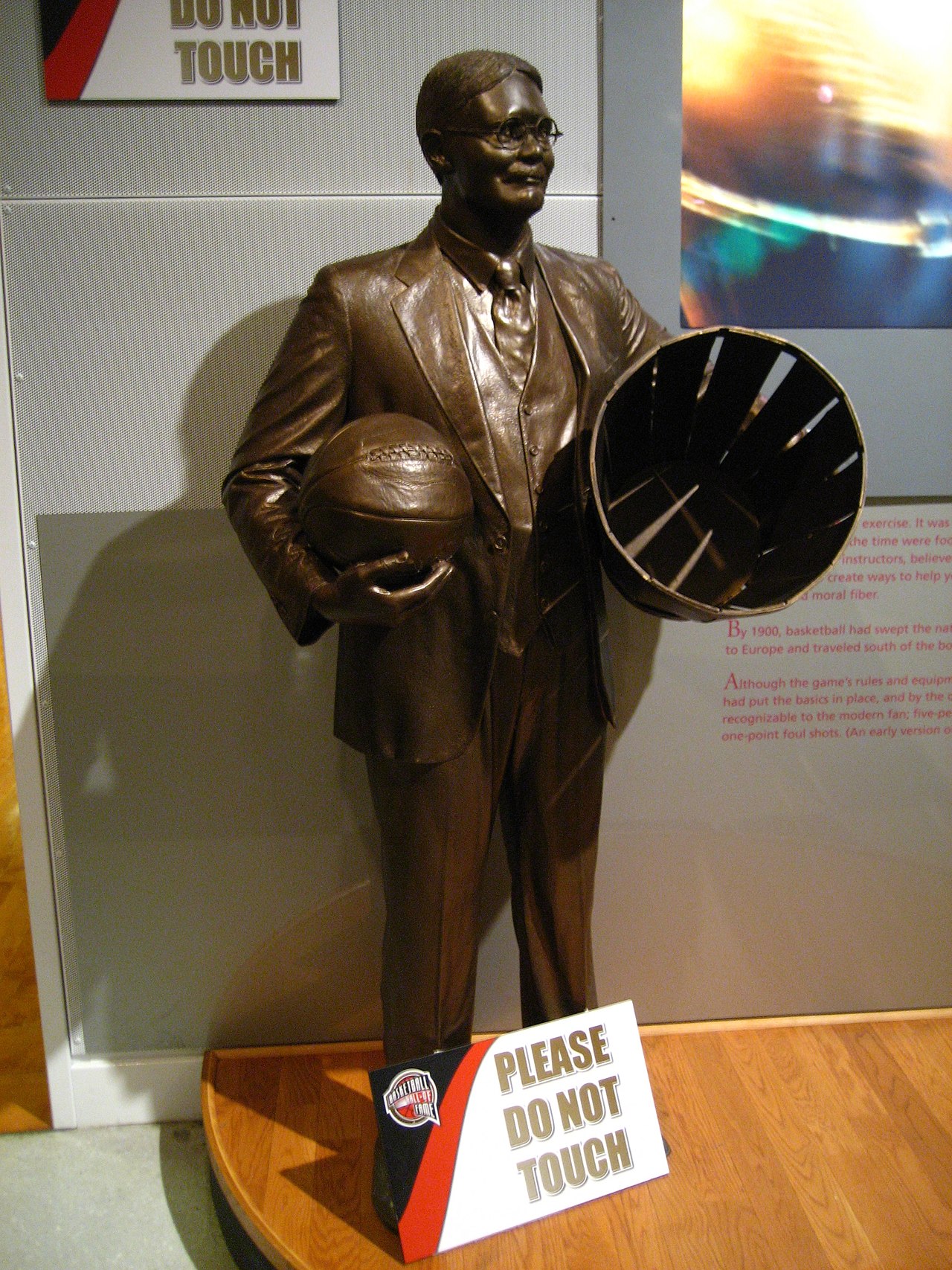
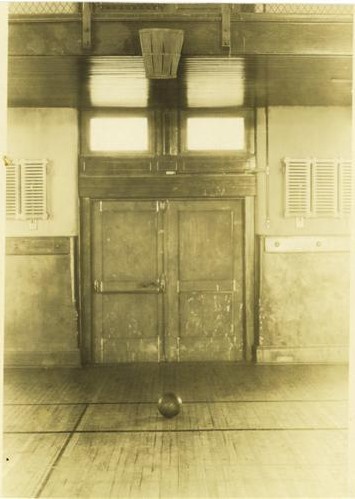
In December 1891, while working at a training school, Naismith created a set of simple rules for a new game to occupy students during winter. He originally devised thirteen concise laws that emphasized passing, defending without physical contact, and scoring by placing a ball into a raised basket. Those founding principles were intended to reduce roughness compared with contemporary field sports and to teach skill rather than brute force. The sport Naismith introduced is widely referenced as the invention of basketball, or simply basketball. Over time, his sparse rulebook expanded into a comprehensive code governing many versions of the game.
Characteristics and equipment
The earliest form used peach baskets and a soccer-style ball; the rebound and dribbling aspects developed as equipment and tactics evolved. Naismith has also been associated with adaptations to protective gear in other sports, and is sometimes credited with ideas that influenced an early version of a football protective device, occasionally referenced as an early helmet. Fundamentally, Naismith's game prized skillful passing, teamwork, and continuous play—qualities that remain central to basketball across professional, collegiate and amateur levels.
Teaching and coaching career
Naismith taught physical education and served as a part-time coach at the University of Kansas, where he founded that institution's basketball program. He acted as athletic director for the university's teams, the Kansas Jayhawks, and influenced generations of players and coaches who carried the game forward. He saw basketball spread rapidly beyond collegiate gymnasiums: it was demonstrated at the 1904 St. Louis exposition and became an official Olympic sport at the 1936 Summer Games in Berlin, which followed an earlier demonstration appearance in 1904. The city of Berlin hosted the international debut that helped solidify basketball's global reach.
Legacy and honors
Naismith's influence is commemorated by institutions and halls of fame around the world. He has been inducted into multiple national and regional halls of fame and is the namesake of the prominent Naismith Memorial Basketball Hall of Fame. His alma mater connections and honors include recognition at McGill University and several provincial and national sports halls of fame. Collectively, these honors reflect both his role in inventing a major sport and his contributions as an educator and promoter of physical activity.
Significance and notable distinctions
James Naismith is remembered not only for creating a sport but for envisioning rules that favored safety, inclusiveness and continuous play at a time when many team sports accepted heavier physical contact. His original concept adapted readily to different settings and cultures, which helped it spread quickly in schools, the military and community organizations. Today the sport he created exists in professional leagues, collegiate competition and recreational play worldwide. For further reading and archival material, consult institutional histories and dedicated collections that document the game's early development and Naismith's life as an educator and coach.
- Primary roles: physical educator, inventor, coach, administrator.
- Associated institutions: University of Kansas, McGill University.
- Honors and halls of fame: national and regional sports halls and the Naismith Memorial Basketball Hall of Fame.
For more source materials or institutional pages, see archival and hall of fame collections linked by their organizations: Canadian sources, naturalization records, and biographical summaries at sports and academic repositories covering his life. Additional contextual items and event records include the early Olympic references (1904, 1936) and university athletic histories like those of the Kansas Jayhawks. Other commemorations and local honors appear in provincial and municipal halls (Berlin-era archives and regional listings).
Questions and answers
Q: Who was James Naismith?
A: James Naismith was a Canadian and naturalized American sports coach and innovator who invented the sport of basketball in 1891.
Q: What other innovation is James Naismith credited to have introduced?
A: James Naismith is also said to have introduced the first football helmet.
Q: What did Naismith write?
A: Naismith wrote the original basketball rulebook.
Q: What did Naismith do for the University of Kansas?
A: Naismith started the University of Kansas basketball program and taught and coached there from 1898 to 1907. He also served as the Athletic Director for the Kansas Jayhawks.
Q: What was Naismith's achievement as a basketball pioneer?
A: Naismith lived to see basketball become an Olympic demonstration sport in 1904 and an official event at the 1936 Summer Olympics in Berlin.
Q: What are some of the honors Naismith has received?
A: Naismith has been recognized in many halls of fame, including the Canadian Basketball Hall of Fame, the Canadian Olympic Hall of Fame, the Canadian Sports Hall of Fame, the Ontario Sports Legends Hall of Fame, the Ottawa Sports Hall of Fame, the McGill University Sports Hall of Fame, the Kansas State Sports Hall of Fame and the FIBA Hall of Fame. Also, the Naismith Memorial Basketball Hall of Fame was named after him.
Q: When was James Naismith born and when did he die?
A: James Naismith was born on November 6, 1861, and died on November 28, 1939.
Related articles
Author
AlegsaOnline.com James Naismith: Inventor of Basketball and Early Influencer in North American Sport Leandro Alegsa
URL: https://en.alegsaonline.com/art/121350
Sources
- washingtonpost.com : "James Naismith Biography"
- kansasheritage.org : "Dr. James Naismith, Inventor of Basketball"
- naismithmuseum.com : "Dr. James Naismith"
- hoophall.com : "James Naismith's Resume"
- athletics.mcgill.ca : "McGill grad James Naismith, inventor of basketball"
- ncaa.org : "Dr. James Naismith's 13 Original Rules of Basketball"
- sports.ha.com : "James Naismith Handwritten Manuscript Detailing First Basketball Game"
- fiba.com : "Official basketball rules"
- hoophall.com : "Naismith Untold"
- kusports.com : "Naismith's Record"
- kshs.org : "James Naismith, A Kansas Portrait" · web.archive.org