
YMCA (Young Men's Christian Association)
International movement founded in 1844 to support young people’s spiritual, physical and social wellbeing; operates community centres, sports, camps and social programs worldwide.
Overview
The Young Men's Christian Association, commonly known as the YMCA or the Y, is an international nonprofit movement that promotes the development of individuals and communities through programs combining social services, physical activity and spiritual care. Its international offices are based in Geneva in Switzerland, and it operates through independent national and local associations in many countries.
Image gallery
10 Images



Origins and early history
The YMCA was founded in 1844 in London during a period of rapid urbanization and industrial change. A small group of men sought to provide safe lodging, moral guidance and practical help for young men who had moved from rural areas to the city in search of work. Activities soon expanded from shelter and prayer meetings to education, vocational support and organised recreation.
Beliefs, ethos and distinctive ideas
Rooted in Protestant Christian values, the YMCA originally aimed to "put Christian principles into practice" (Christian principles) by addressing body, mind and spirit. In the late 19th century the movement was associated with Muscular Christianity, which linked physical vigor with moral character. Over time most national Ys became more ecumenical and open to people of diverse faiths and backgrounds while keeping a heritage of faith-inspired service.
Programs, facilities and activities
Local Y associations commonly offer a mix of services adapted to community needs. Typical programs include:
- Recreation and fitness: gyms, swimming pools, group exercise and sports leagues;
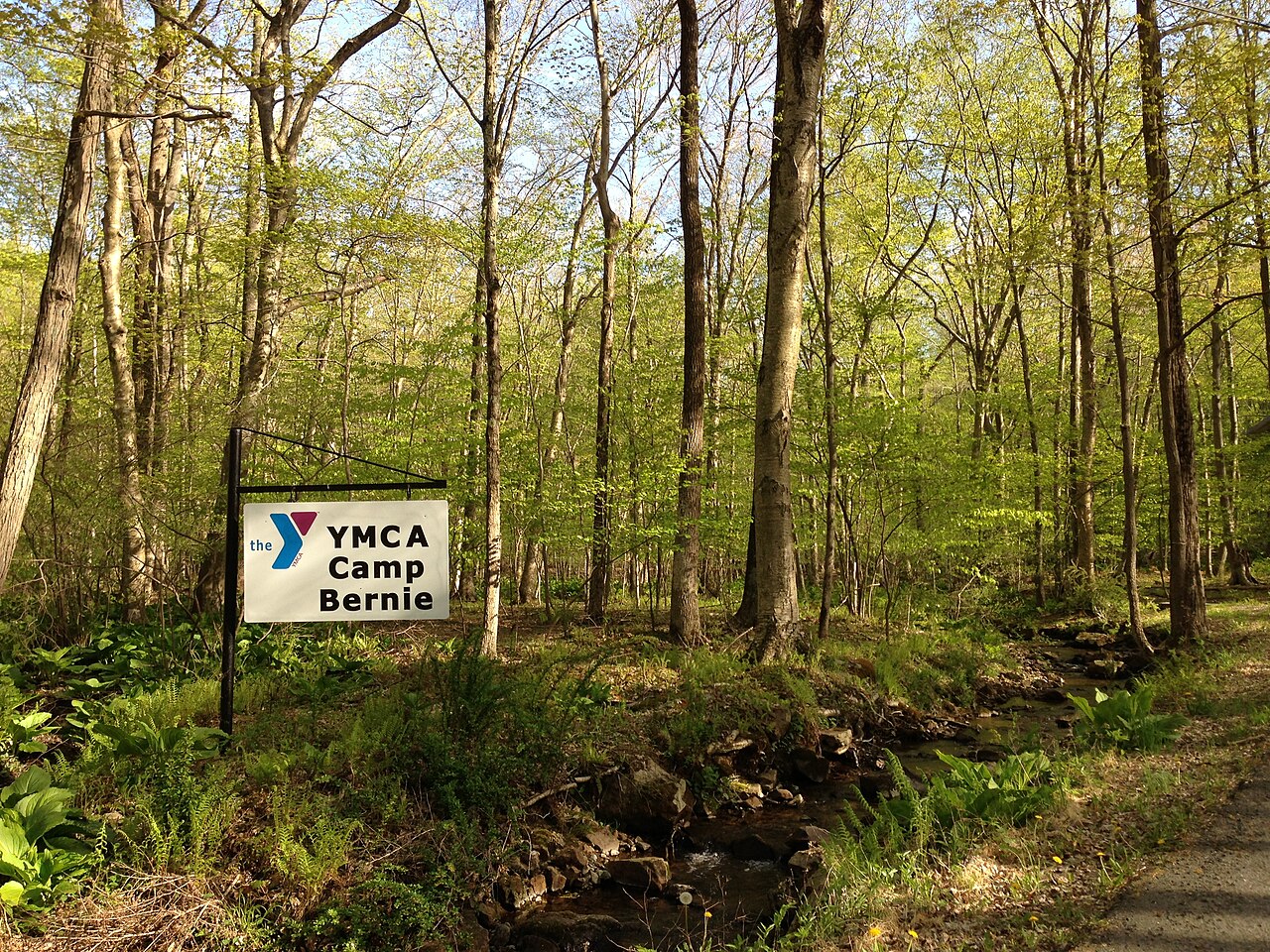
- Youth and leadership development: after-school programs, camps and mentoring;
- Social services: housing support, job training, refugee and immigrant assistance;
- Education and community engagement: classes, family services and volunteer initiatives.
Sports, innovation and legacy
Physical education has been an important part of YMCA activity. A widely known example is the invention of basketball in 1891 at a YMCA training school in the United States as a new indoor sport to keep people active in winter. The YMCA has influenced modern recreational practice, youth camping and community-centre models around the world.
Global structure and partnership
The YMCA functions as a federation of autonomous national organisations coordinated through international bodies that set broad aims and promote cooperation. Its contemporary mission often emphasises Youth Development, Healthy Living and Social Responsibility. A related body, the Young Women's Christian Association (YWCA), was formed later and shares overlapping aims focused on women and girls.
As both a historical movement and an active network of community organisations, the YMCA continues to adapt its programs to changing local needs while retaining links to its 19th-century origins and social goals.
Further reading and official resources are available from national Ys and international coordinators: see local associations and umbrella bodies for specific programmes and histories.
External references and archival material may be consulted for detailed histories and regional variations of the YMCA model.
Geneva office | Switzerland | Christian principles | London | Muscular Christianity | Basketball
Related articles
Author
AlegsaOnline.com YMCA (Young Men's Christian Association) Leandro Alegsa
URL: https://en.alegsaonline.com/art/109869