
Ben Jonson (1572–1637): English playwright and poet
Overview of Ben Jonson, an English Renaissance dramatist and poet celebrated for satirical comedies, lyric and epigrammatic verse, court masques, the 1616 folio and lasting influence on early modern drama.
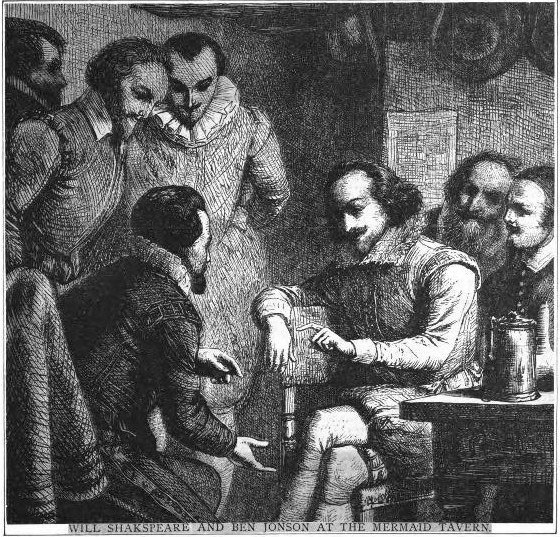
Ben Jonson (11 June 1572 – 6 August 1637) was a prominent English writer whose career spanned poetry, drama and court entertainments. He is widely regarded as one of the leading figures of English Renaissance drama, a contemporary of William Shakespeare and other early modern dramatists. Jonson combined a strong interest in classical learning with a sharp eye for social satire and witty verse; he is remembered both as a poet and as a playwright.
Image gallery
6 Images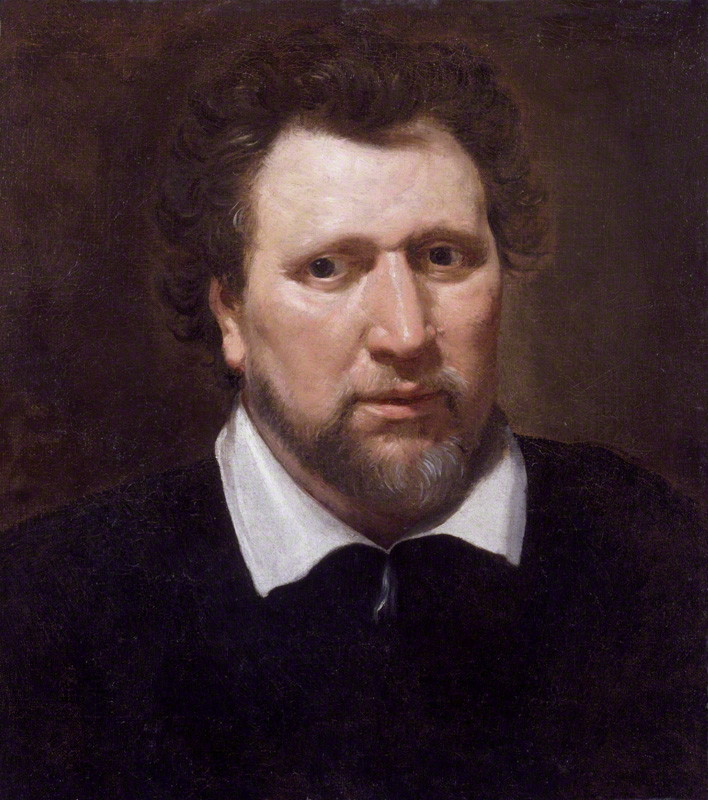


Life and background
Born in London to a family of modest means, Jonson received a form of classical education that shaped his literary taste. Early in life he worked in a tradesman's setting and is known to have served briefly in the military. His temperament led to several public quarrels: he was convicted of killing a man in a street affray and spent time in prison, an episode that affected his reputation and later subject matter. Jonson also cultivated connections at court and among literary circles, securing patrons and occasional royal favor.
Major works and themes
Jonson's output ranges from sharp, satirical comedies to polished lyrical pieces and epigrams. His plays often explore vice, pretension and folly through urban settings and stock character types known as "humours." Notable works include:
- Every Man in His Humour (1598) — an early comedy built on the humours concept.
- Volpone, or The Fox (c. 1606) — a comedy of avarice and deception.
- The Alchemist (1610) — a brisk satire on greed and gullibility.
- Bartholomew Fair (1614) — a bustling urban farce.
He also produced refined lyric poems and terse epigrams, and wrote masques for courtly performance in collaboration with designers and musicians.
Style, publication and influence
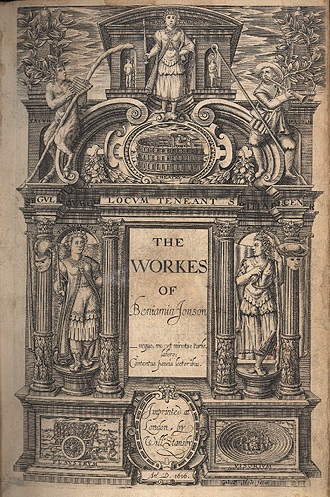
Jonson's diction and plots drew heavily on classical models, emphasizing rhetorical control, formal structure and moral observation. He championed literary standards and was an energetic participant in contemporary debates and controversy. In 1616 he brought out a collected edition of his works — one of the earliest folios devoted to a dramatist — which helped shape the idea of an authorial canon. His blend of satire, urban comedy and formal verse influenced later writers and contributed to the development of English comic tradition.
Today Jonson is studied for his technical skill, memorable characters and distinctive voice. His plays remain in the repertory and his poems, including elegies and epigrams, continue to be anthologized for their wit and emotional directness.
For further reading on Jonson's poems, plays, stagecraft and reception see resources linked here: poet, playwright, drama, Shakespeare, education, controversy, satire, lyric.
Related articles
Author
AlegsaOnline.com Ben Jonson (1572–1637): English playwright and poet Leandro Alegsa
URL: https://en.alegsaonline.com/art/10450