
Nick Clegg — British politician and former Liberal Democrat leader
Overview of Nick Clegg (born 1967), his political career as MEP, MP and Deputy Prime Minister, leadership of the Liberal Democrats, coalition role, key policies and later work in the private sector.
Nick Clegg (born 7 January 1967) is a British politician known for leading the Liberal Democrats and serving as Deputy Prime Minister of the United Kingdom in the 2010–2015 Conservative–Liberal Democrat coalition. His public life spans roles in the European Parliament, the UK House of Commons and, after leaving frontline politics, a senior position in the private sector. Clegg's career has been marked by a mix of liberal reform proposals, coalition compromise, and high-profile controversy.
Image gallery
10 Images



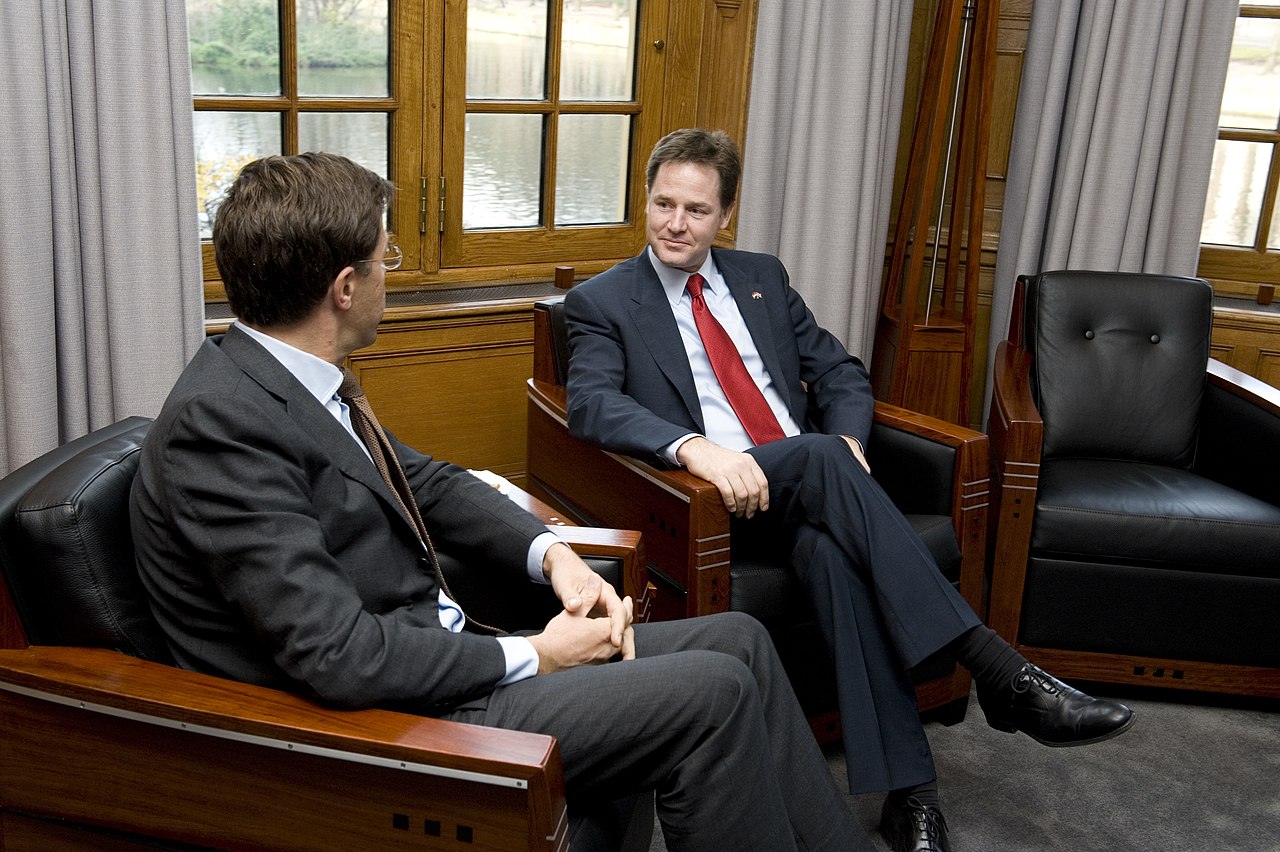


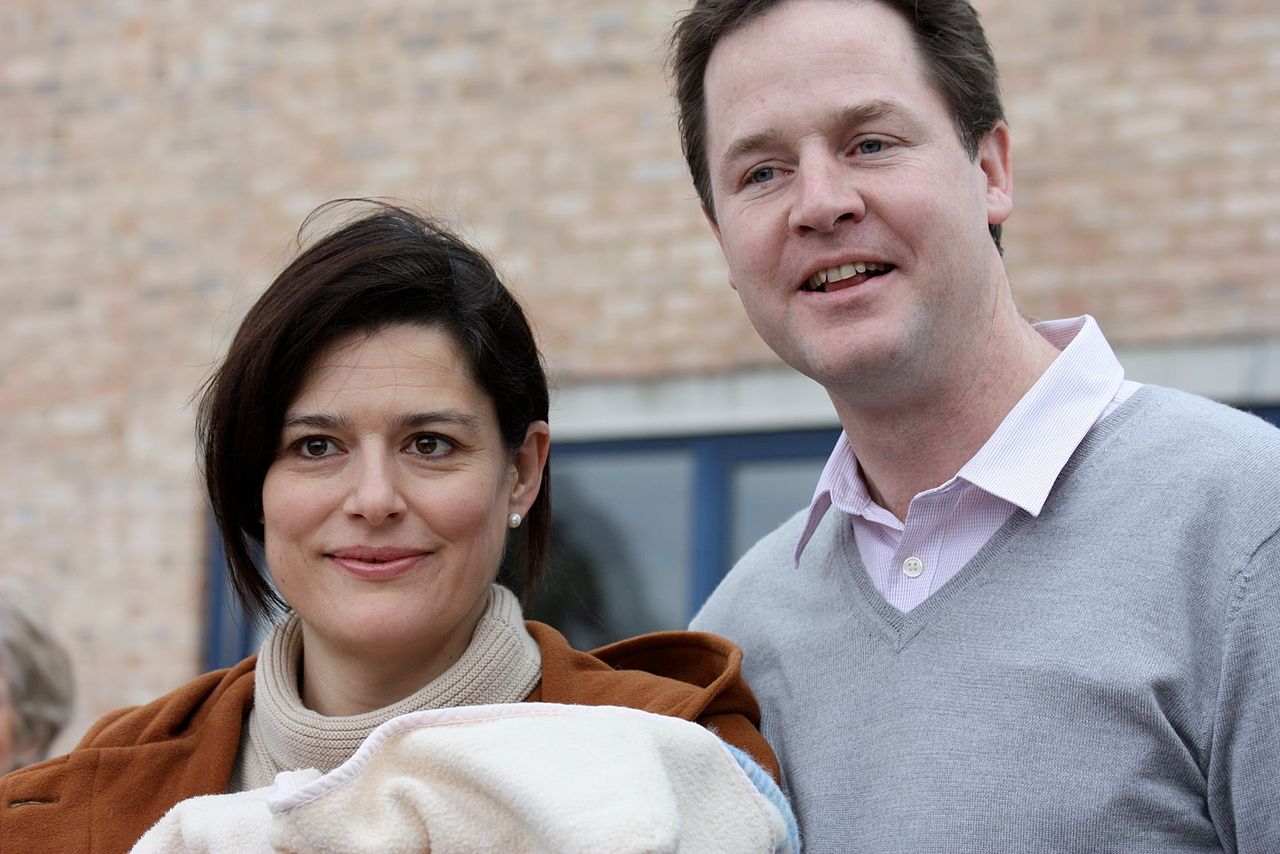
Early life and political beginnings
Clegg studied at university before entering politics and became active in European affairs. He served as a Member of the European Parliament (MEP) from 1999 to 2004, where he developed a reputation for campaigning on civil liberties and EU matters. During this period he built relationships across national and European party lines and established the international profile that would later help him rise within the Liberal Democrats. For a brief profile and background information see biographical summary.
Parliamentary career and party leadership
Clegg was first elected to the UK Parliament at the 2005 general election as the Member of Parliament for Sheffield Hallam. He became leader of the Liberal Democrats in December 2007, succeeding an earlier leader as the party sought a clearer national identity. Under his leadership the party campaigned on liberal values, electoral reform and greater pro‑European engagement. More on his parliamentary record and speeches is available at parliamentary resources.
Deputy Prime Minister and the 2010 coalition
After the 2010 general election produced a hung parliament, the Liberal Democrats entered a coalition government with the Conservative Party. Clegg served as Deputy Prime Minister from 2010 until 2015. The coalition pursued a range of policies including deficit reduction measures and reform initiatives; it also negotiated a referendum on the Alternative Vote (AV) system, which was held in 2011. The coalition period remains a central part of Clegg's public legacy and is discussed in analyses and contemporary reports at coalition analysis and policy reviews.
Key issues and controversies
- Tuition fees: The Liberal Democrats had campaigned in 2010 against increases in university tuition fees; the subsequent decision to support a rise as part of coalition legislation became a major point of criticism.
- Electoral reform: The AV referendum in 2011 was a central Liberal Democrat objective but the proposal was defeated in the public vote.
- Coalition compromises: Working in a coalition required concessions that divided opinion within the party and among its voters.
These events affected the party's performance in later elections; Clegg resigned as party leader after a poor result in the 2015 general election. For contemporary commentary and contextual reporting, see election coverage and post‑election analysis.
Later career and significance
After leaving frontline politics — he lost his Sheffield Hallam seat in the 2017 general election — Clegg moved into roles in the private sector, taking a senior position with a major technology company where he focused on global affairs and public policy. His shift from elected office to corporate communications stirred debate about the revolving door between politics and industry; further discussion is available at media commentary and policy perspectives.
Nick Clegg remains a notable figure in recent British politics: he led a major national party, helped run a coalition government during a period of economic challenge, and has continued to influence public debate through subsequent roles. His career illustrates tensions between principle and compromise in coalition politics, the difficulties of implementing reform, and the changing relationship between politics, media and technology.
Questions and answers
Q: Who is Nick Clegg?
A: Nick Clegg is a British politician who served as the Deputy Prime Minister of the United Kingdom in the Conservative-Liberal Democrat coalition government and was also the leader of the Liberal Democrats.
Q: When was Nick Clegg born?
A: Nick Clegg was born on 7 January 1967.
Q: What constituency did Nick Clegg represent in the UK parliament?
A: Nick Clegg represented Sheffield Hallam constituency in the UK parliament.
Q: Was Nick Clegg ever a Member of the European Parliament?
A: Yes, Nick Clegg was a Member of the European Parliament (MEP) from 1999 to 2004.
Q: When did Nick Clegg become the leader of the Liberal Democrats?
A: Nick Clegg became the leader of the Liberal Democrats in December 2007.
Q: Why did Nick Clegg resign as party leader in 2015?
A: Nick Clegg resigned as party leader in 2015 after the May 2015 election because of the party's poor election results.
Q: How did Nick Clegg become Deputy Prime Minister?
A: Nick Clegg became Deputy Prime Minister after a coalition deal with the Conservative Party following the 2010 General Election.
Author
AlegsaOnline.com Nick Clegg — British politician and former Liberal Democrat leader Leandro Alegsa
URL: https://en.alegsaonline.com/art/127587