
A. A. Milne — English author and creator of Winnie‑the‑Pooh
A concise, balanced encyclopedia entry on Alan Alexander Milne (1882–1956), covering his life, major works including Winnie‑the‑Pooh, career, military service, and cultural legacy.
Overview
Alan Alexander Milne (18 January 1882 – 31 January 1956) was an English writer best known for creating the beloved children's character Winnie-the-Pooh. Milne's output included plays, novels and humorous articles, but it is his verse and stories for children that have endured most widely. His writing combines gentle comedy, clear prose and a sympathy for the point of view of childhood.
Image gallery
8 Images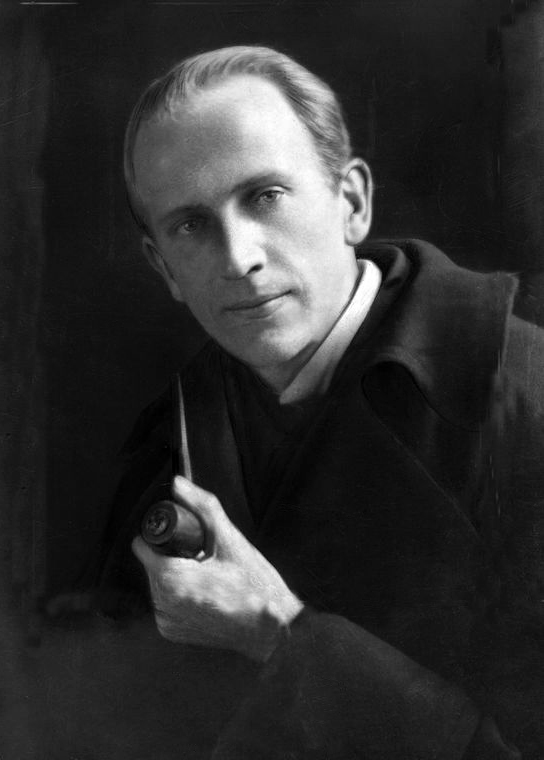


Major works and style
Milne published two well-known volumes of children's poetry and two full-length Pooh books that remain classics. His principal works for young readers include:
- When We Were Very Young (poetry, 1924)
- Winnie-the-Pooh (1926)
- Now We Are Six (poetry, 1927)
- The House at Pooh Corner (1928)
These works are noted for their conversational tone, playful language and illustrations (originally by E. H. Shepard) that together shaped the modern picture-book tradition.
Life and career
Milne was educated in London and at Trinity College, Cambridge, and began his literary career writing for periodicals and the stage. He contributed sketches and essays to the humour magazine Punch and later wrote plays and novels for an adult audience. Despite this broader output, public attention increasingly focused on his children's books.
Military service and personal life
Milne served in the British Army during World War I and was also active during World War II as a captain in the Home Guard. His son, Christopher Robin, provided the name and inspiration for the child who appears in the Pooh stories; Christopher later wrote about the complex effect of that fame on his own life.
Legacy and later years
Milne's books spawned stage adaptations, recordings and film and television versions; the characters became internationally known through later commercial adaptations and translations. In his later life Milne suffered ill health: a stroke and brain surgery in 1952 left him with significant disability, and he retired from public life. He died in 1956.
Notable facts
Although Milne resented how the Pooh books overshadowed his other writing, they secured him a lasting place in children's literature. The combination of simple philosophical observations, affectionate humour and engaging illustrations has made the Pooh stories a continuing reference point in popular culture and childhood studies.
Author
AlegsaOnline.com A. A. Milne — English author and creator of Winnie‑the‑Pooh Leandro Alegsa
URL: https://en.alegsaonline.com/art/134023