
Witches' Sabbath: Belief, motifs, history and cultural legacy
The Witches' Sabbath is a historic concept of secret nocturnal gatherings attributed to witches. This article explains its motifs, origins in medieval Europe, role in witch trials, and modern interpretations.
Overview
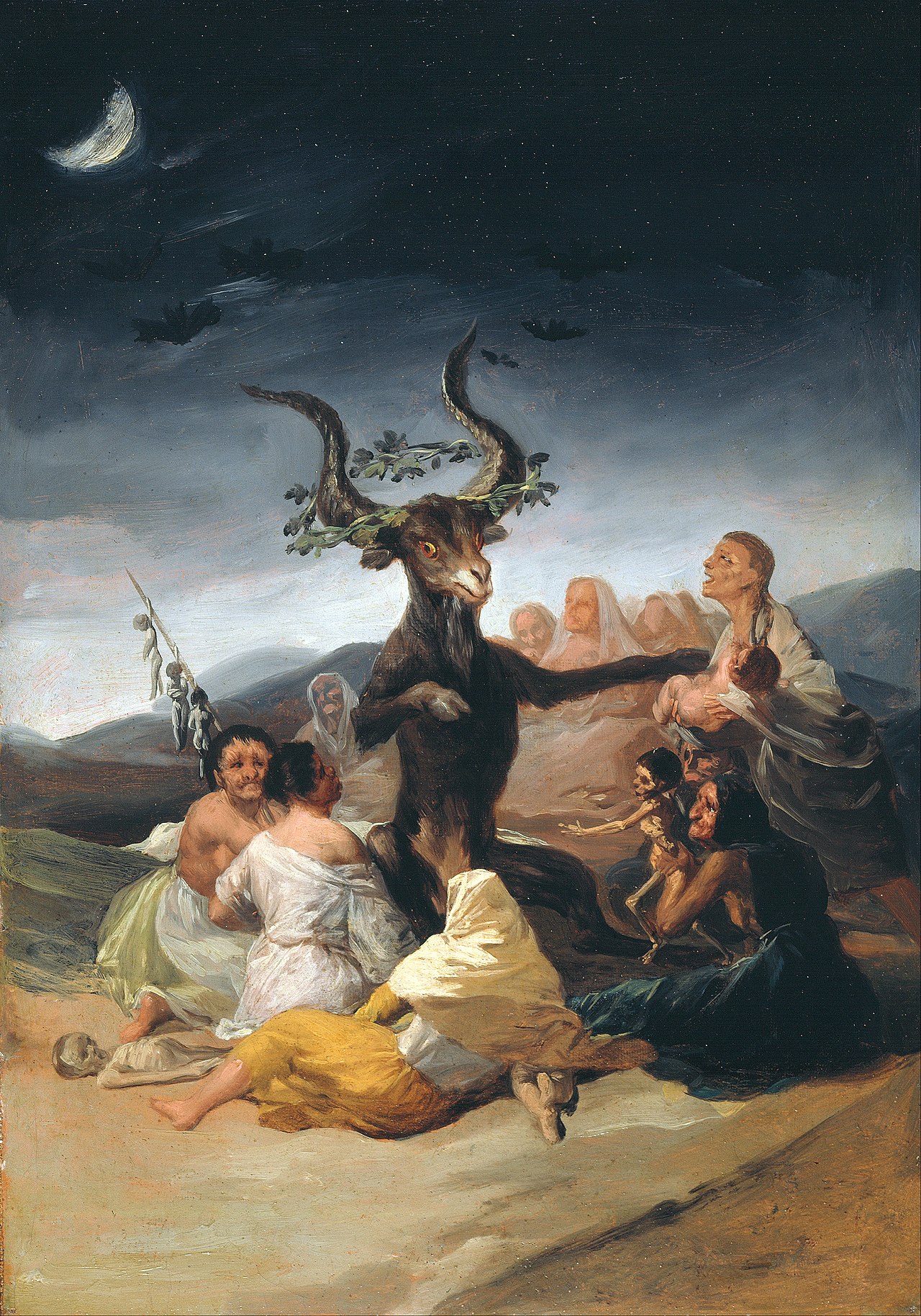
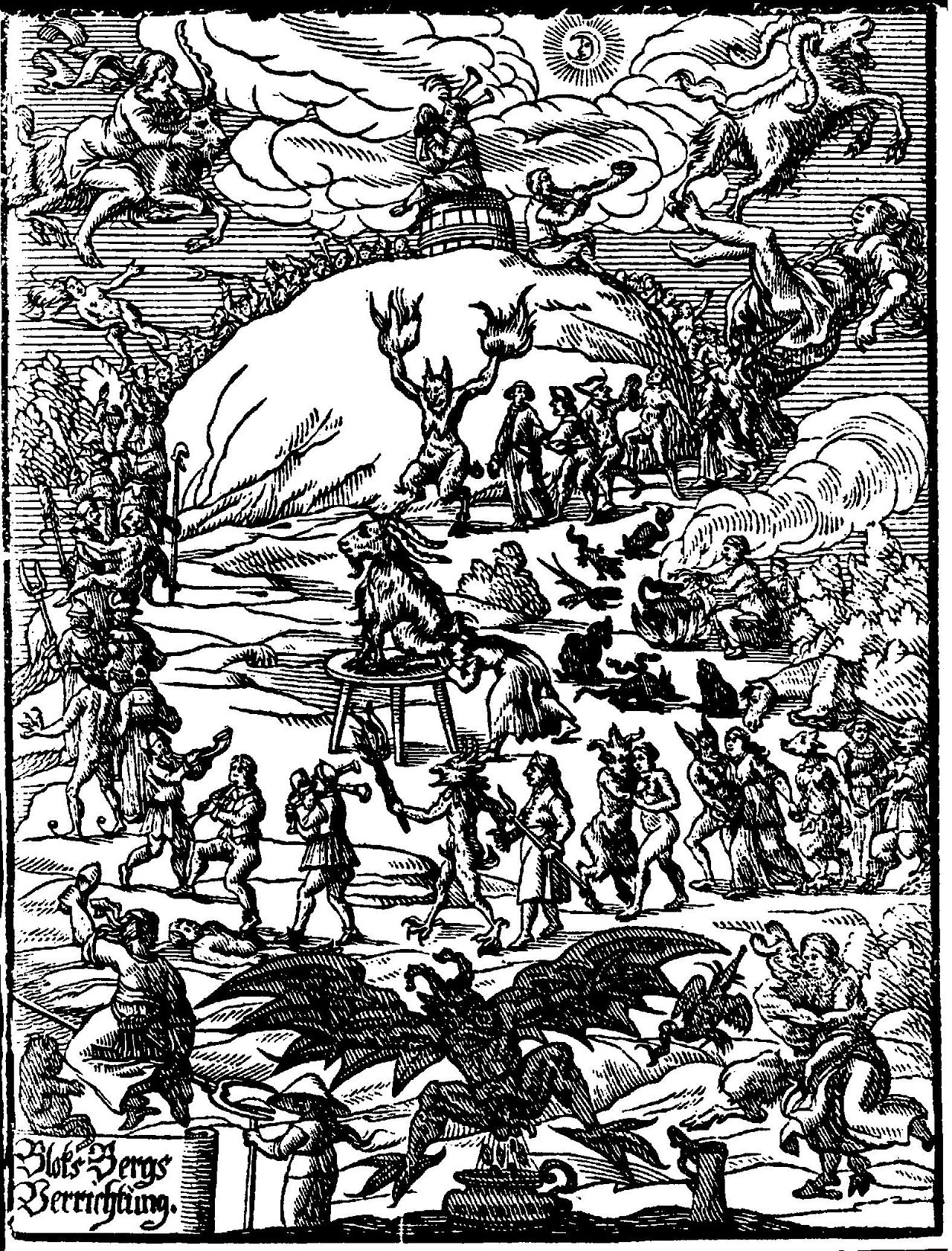
The term witches' Sabbath refers to a set of popular and learned images of clandestine nocturnal meetings where accused witches were said to assemble. Although the word "Sabbath" originally denotes the day of rest in Judaism and other Abrahamic faiths, its application to supposed witch gatherings developed in Christian Europe and carried different, often hostile, connotations. By the Middle Ages and into the early modern period these ideas were commonly used to explain misfortune, disease and unexplained deaths.
Image gallery
10 Images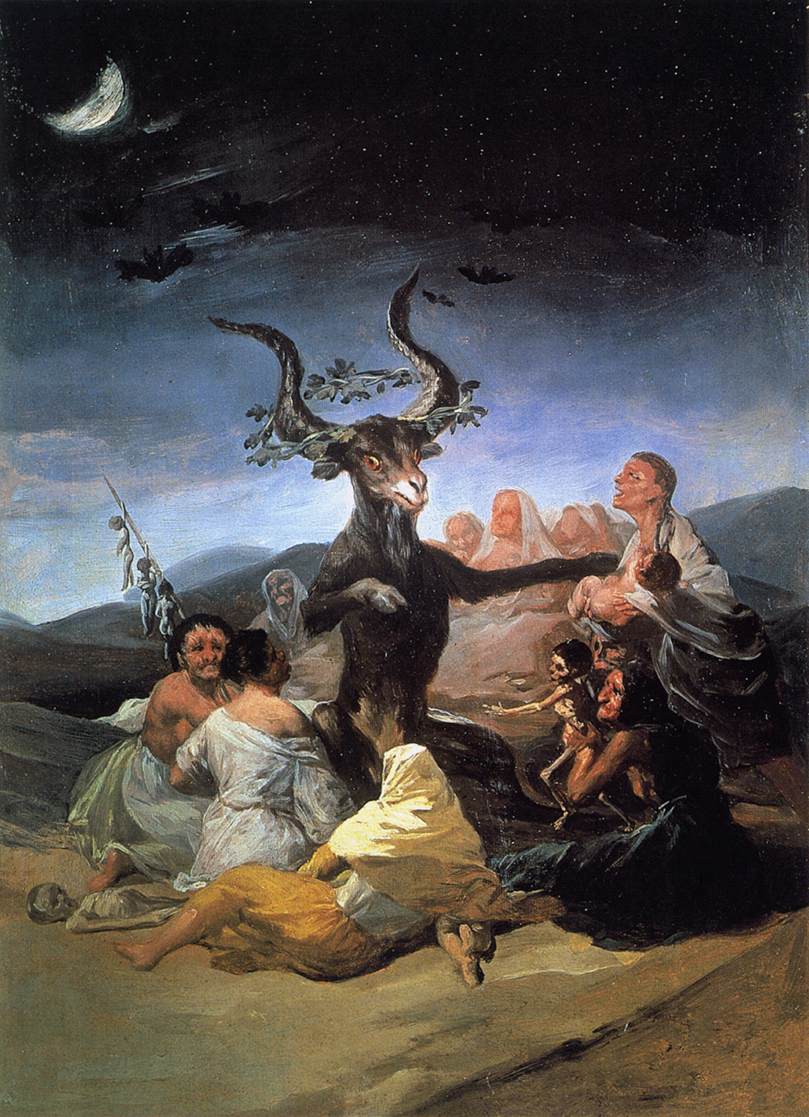




Typical motifs and descriptions
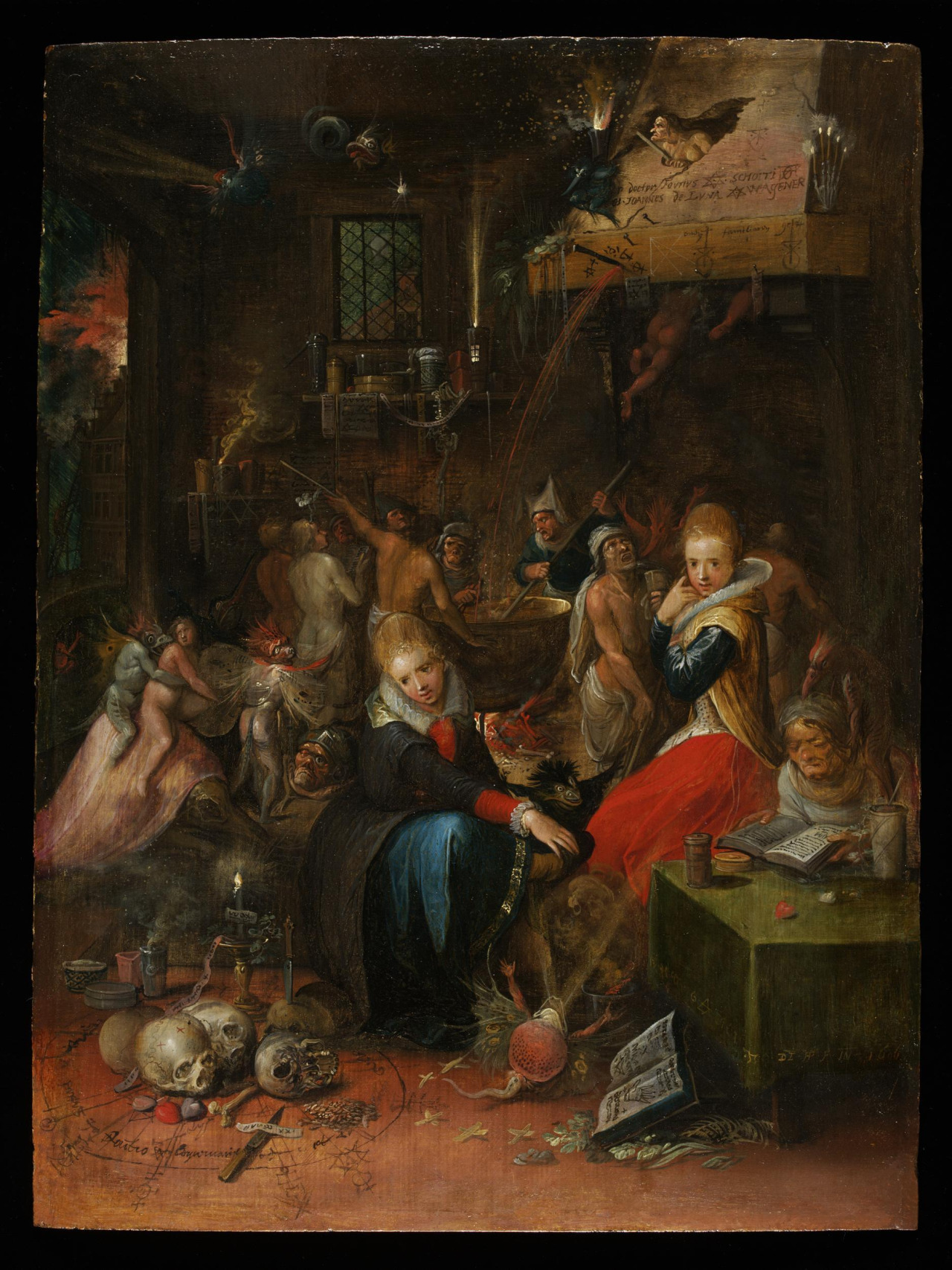
Accounts of the Witches' Sabbath share recurring elements that became standard in trial records, demonological manuals and popular tales. Common motifs include secret nocturnal assemblies where participants were alleged to have performed rites including accusations that they killed people in secret rituals or poisoned wells. Contemporary authorities also emphasized four other features: nocturnal or supernatural black magic, a formal pact with the devil, claims of a sexual relationship with demonic beings, and the power to harm others (maleficium).
Historical development and prosecution
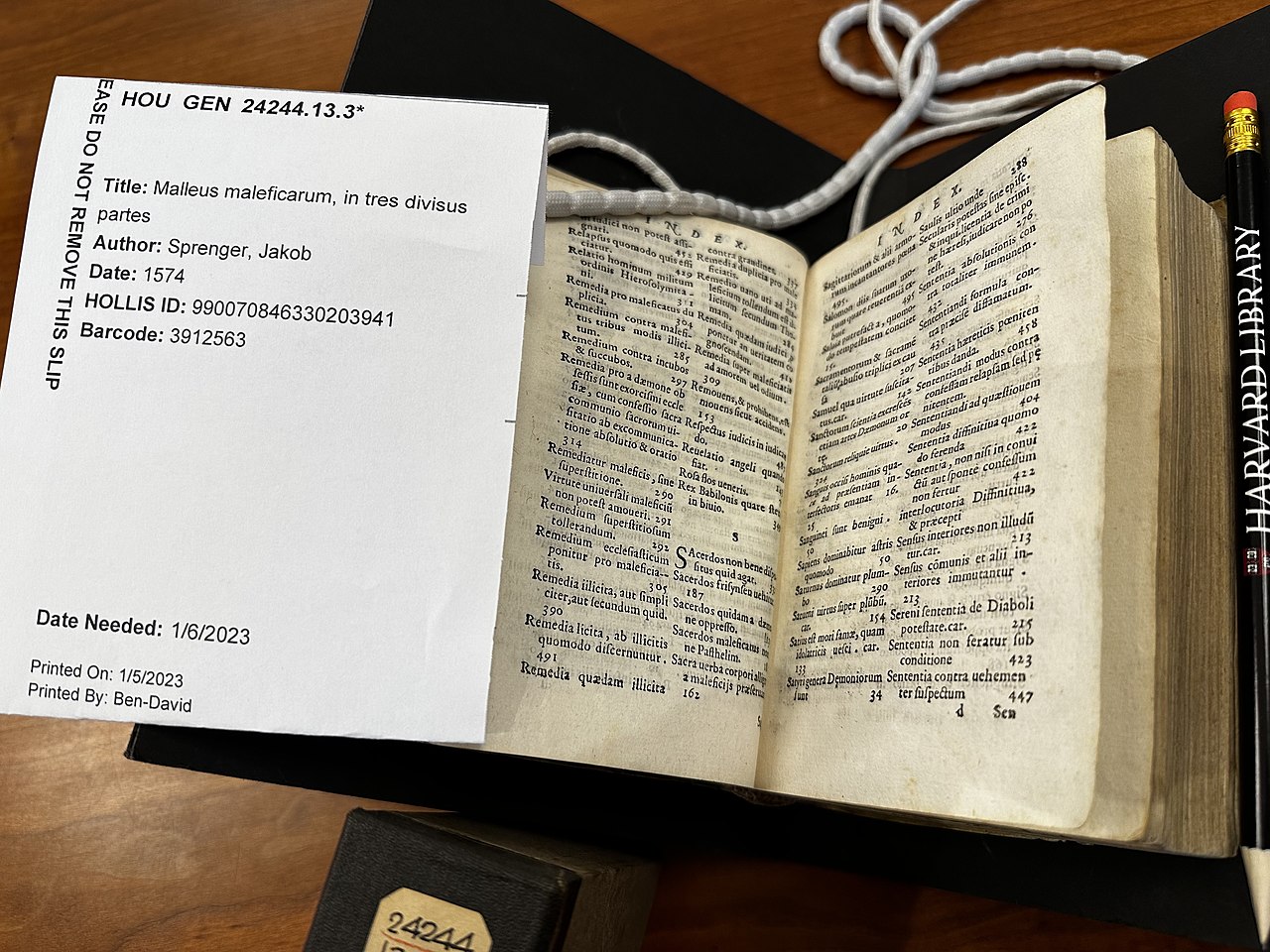
Witch-sabbath imagery intensified from the 14th to the 17th centuries as ecclesiastical and secular courts sought to define and punish heresy and sorcery. Institutions such as the Holy Inquisition and other tribunals drew on folktales and confessions—often extracted under torture—to create coherent accusations. In some regions these ideas intersected with older prejudices, contributing to episodes of communal violence or pogroms against perceived outsiders. Influential texts and pamphlets produced by the Catholic Church and allied thinkers circulated models of the witch that reinforced fears of conspiracies and secret cults.
Uses, consequences and social context
Belief in a conspiratorial witches' sabbath served several social functions: it offered an explanation for misfortune, policed nonconformity, and targeted vulnerable groups such as elderly women, healers and midwives. Accusations could be used to settle disputes or to eliminate rivals. The idea of a coordinated underground network—sometimes portrayed as a secret society or sect—fed broader conspiracy theory narratives and justified harsh punishments in both urban and rural courts.
Interpretations and legacy
Modern scholars treat the Witches' Sabbath as a complex cultural construct shaped by theology, gender norms, social tensions and legal practice. Folk memories, literary depictions and artistic representations preserved and transformed its imagery long after the end of large-scale witch trials. Today the term appears in studies of folklore, gender history and the history of religion, and in popular culture where it often conflates older motifs—flight, pacts with devils and nocturnal rites—into dramatic scenes of demonic assemblies. For further thematic reading see treatments of specific motifs and historical case studies referenced by modern scholarship and archival collections.
- Key motifs: nocturnal meeting, pact with the devil, sexual intercourse with demons, black magic, maleficium.
- Institutions involved: Holy Inquisition, ecclesiastical courts and secular tribunals.
- Social effects: scapegoating, prosecution and marginalization leading to violence and social disruption.
For introductory overviews and source collections consult specialized historical surveys and digitized trial records available through academic repositories and libraries: witch histories, religious histories of the Middle Ages, and comparative studies of popular religion.
Related articles
Author
AlegsaOnline.com Witches' Sabbath: Belief, motifs, history and cultural legacy Leandro Alegsa
URL: https://en.alegsaonline.com/art/108713