
Women and Islam: Roles, Rights, Interpretations, and Contemporary Debates
An accessible overview of how Islamic texts, law, history and modern movements shape women's lives in Muslim societies, including key debates and distinctions.
Overview
The relationship between women and Islam is multifaceted: it encompasses religious texts, legal traditions, cultural practice and modern social change. Core Islamic sources and a broad scholarly consensus affirm the spiritual equality of women and men, while legal frameworks derived from those sources have often assigned different roles, responsibilities and rights. Understanding this subject requires attention to theology, jurisprudence, historical development and contemporary reform movements.
Image gallery
10 Images






Scriptural and legal foundations
The Qur'an occupies a central place in Muslim discussions about gender. Many Muslims and scholars read passages in the Qur'an as articulating moral and spiritual equality, while also noting verses that describe distinct social roles. Debates over interpretation shape how communities apply those texts. Islamic law (sharia) is not a single code but a body of jurisprudence developed by diverse schools; it governs family matters, personal status and public obligations and therefore plays a major role in defining legal differences between women and men.
How rights and practices vary
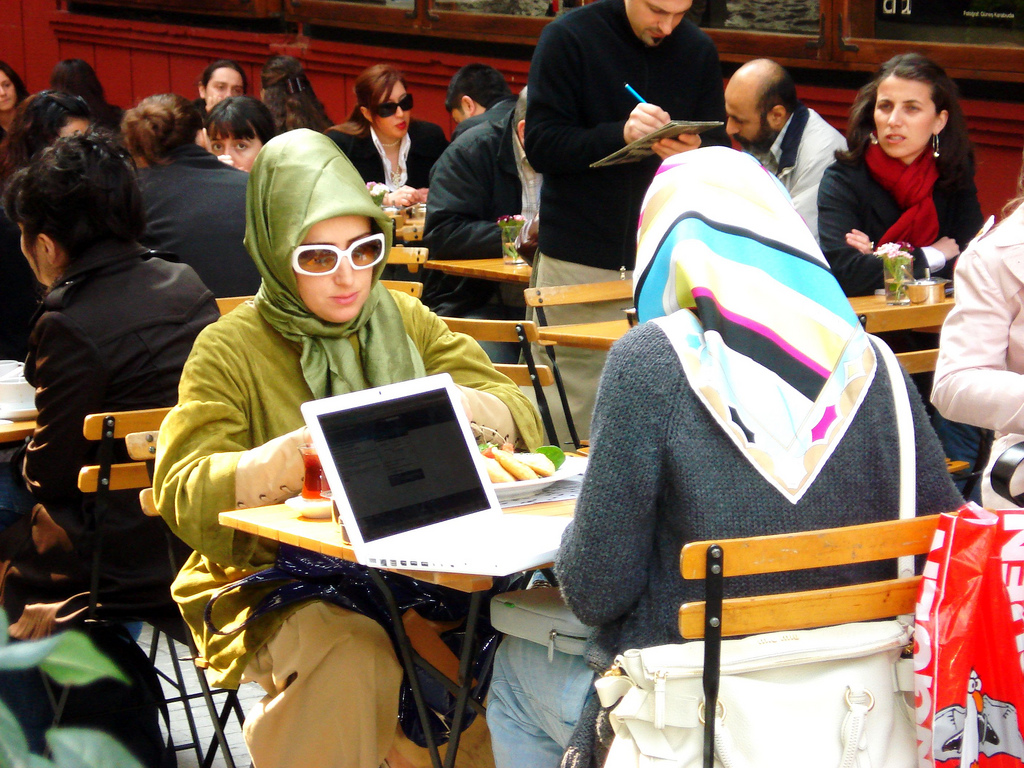
Across Muslim-majority societies, legal rights and everyday practices for women vary widely. Differences often concern marriage and divorce, custody, inheritance, travel and employment, dress codes and public participation. These differences reflect varying readings of religious texts, colonial and postcolonial legal histories, national constitutions and local customs.
- Marriage and family law: norms and procedures differ by country and legal school.
- Dress and public presence: expectations range from optional modest dress to mandated coverings in some states.
- Education and employment: access has expanded substantially in many regions, though gender gaps persist in some areas.
History and cultural diversity
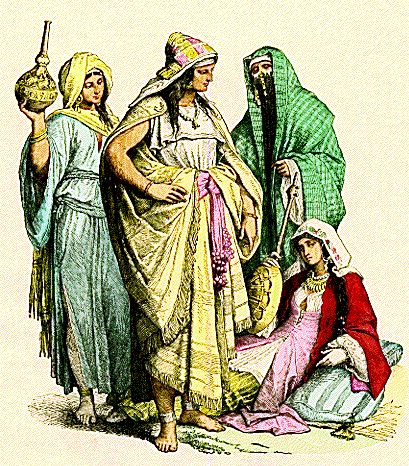
Historically, Muslim societies have produced a spectrum of gender arrangements. In some periods and places, women held prominent religious, economic or scholarly roles; in others, customs limited public visibility. Local traditions, colonial legacies and modern nation-building all influenced how laws and norms developed. Consequently, practices that are framed as "Islamic" often reflect a mixture of scriptural interpretation and local culture.
Contemporary movements and debates
In recent decades, a range of movements has engaged questions about gender and Islam. Islamic feminism and other reformist currents seek to reinterpret texts to promote gender justice within an Islamic framework. Secular and human-rights activists press for legal equality and protections. Prominent thinkers and writers have critiqued patriarchal practices and advocated for change, contributing to lively public debates about rights, identity and modernity.
Resources and perspectives
Further reading and viewpoints are available from religious, academic and advocacy sources. For introductions to scriptural interpretation, consult materials that discuss the Qur'an and jurisprudence. For legal and social analysis, look to studies of family law, education and public policy. Examples of how these strands intersect can be found in case studies, biographies and comparative surveys.
Selected links for broader context: relationship between women and Islam, the Qur'an, sharia, marriage law, divorce practices, civil rights, dress codes, education, Islamic feminism, Nawal El Saadawi.
Careful study recognizes both common themes and important variations: that spiritual equality is a central claim in Islam, that juridical and cultural practices often differentiate sexes, and that modern debates continue to reshape how Muslim women understand and exercise their rights.
Related articles
Author
AlegsaOnline.com Women and Islam: Roles, Rights, Interpretations, and Contemporary Debates Leandro Alegsa
URL: https://en.alegsaonline.com/art/108866