
Winti: Afro-Surinamese Traditional Religion
Winti is an Afro-Surinamese spiritual tradition originating among enslaved West Africans in Suriname. It centers on a supreme creator, ancestral and nature spirits, ritual healing, and community rites.
Winti is an Afro-Surinamese religious tradition developed by formerly enslaved West African peoples in Suriname. It combines West African cosmology with local influences and centers on relationships between people, ancestors, nature, and spirit beings. Winti functions both as a belief system and a set of ritual practices for healing, protection, and social cohesion.
Image gallery
3 Images
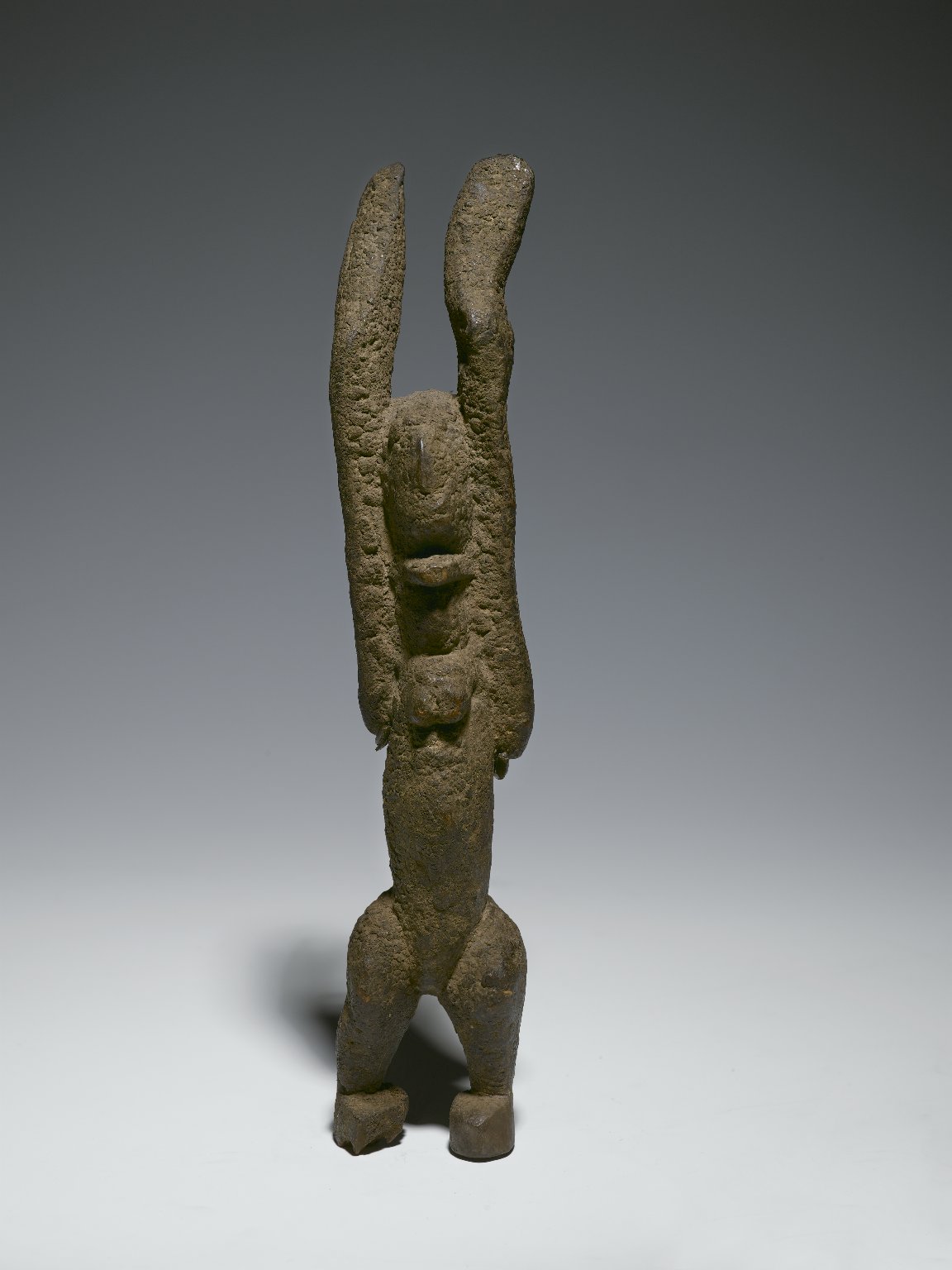

Beliefs and cosmology
At the core of Winti is a layered cosmology with a remote creator figure and a lively world of intermediary spirits. In many accounts a high creator is recognized (often called Anana or similar names), while distinct spirit families act in the world and form personal, familial, and communal ties. Practitioners emphasize balance, respect for ancestors, and correct ritual observance.
Spirit families and roles
- Spirit families (commonly called winti) correspond to aspects of nature, ancestry, and human affairs.
- These groups include forest, river, and coastal spirits, as well as ancestral and household powers.
- Individuals may be called by particular spirits and become mediums or ritual specialists.
Rituals and practices
Winti practice uses drumming, dancing, offerings, spirit possession, and divination. Ceremonies can mark life events (birth, marriage, healing, death) and restore social or spiritual balance. Ritual specialists—sometimes called boksi, mama winti, or other local terms—mediate between people and spirits to diagnose illness, negotiate offerings, or perform cleansings.
History and modern presence
Winti emerged under the conditions of slavery and continued through Maroon and Creole communities. Over generations it adapted to colonial pressures, Christianity, and urban life while retaining core elements. In Suriname and among diaspora communities, Winti remains a visible cultural force and subject of revival and legal recognition efforts.
Contemporary significance and distinctions
Winti is distinct from, yet sometimes interacts with, Christian and other religious traditions. It is practiced both privately and in public ceremonies and has attracted anthropological and cultural interest. For further reading and context see general overview, ethnographic studies at research collections, and legal or cultural resources via institutional summaries.
Related articles
Author
AlegsaOnline.com Winti: Afro-Surinamese Traditional Religion Leandro Alegsa
URL: https://en.alegsaonline.com/art/108653