
Eastern Christianity: traditions, history, rites and global presence
Overview of Eastern Christianity: its major families, historical development, liturgical traditions, theological distinctions, geographic spread, and relations with Western Christianity.
Eastern Christianity is the broad term for the Christian traditions, churches and communities that developed primarily in the eastern Mediterranean, the Middle East, Asia Minor, parts of Africa and southern India over many centuries. It includes several distinct families of churches with shared roots in the ancient Christian world, inherited liturgical forms, and regional languages. For background on the wider Christian tradition see related overview. The historic regions where these traditions grew include Greece, the Balkans, Eastern Europe, the Middle East, East Africa and southern India.
Image gallery
6 Images
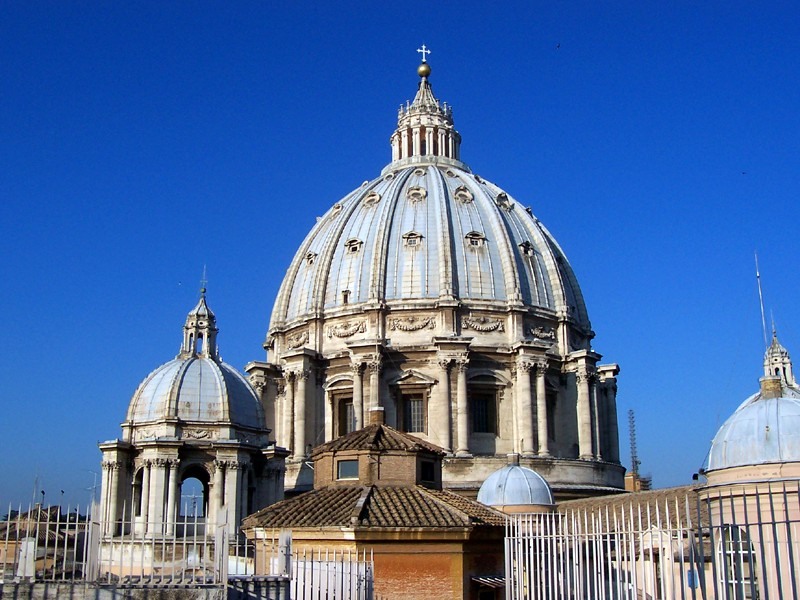


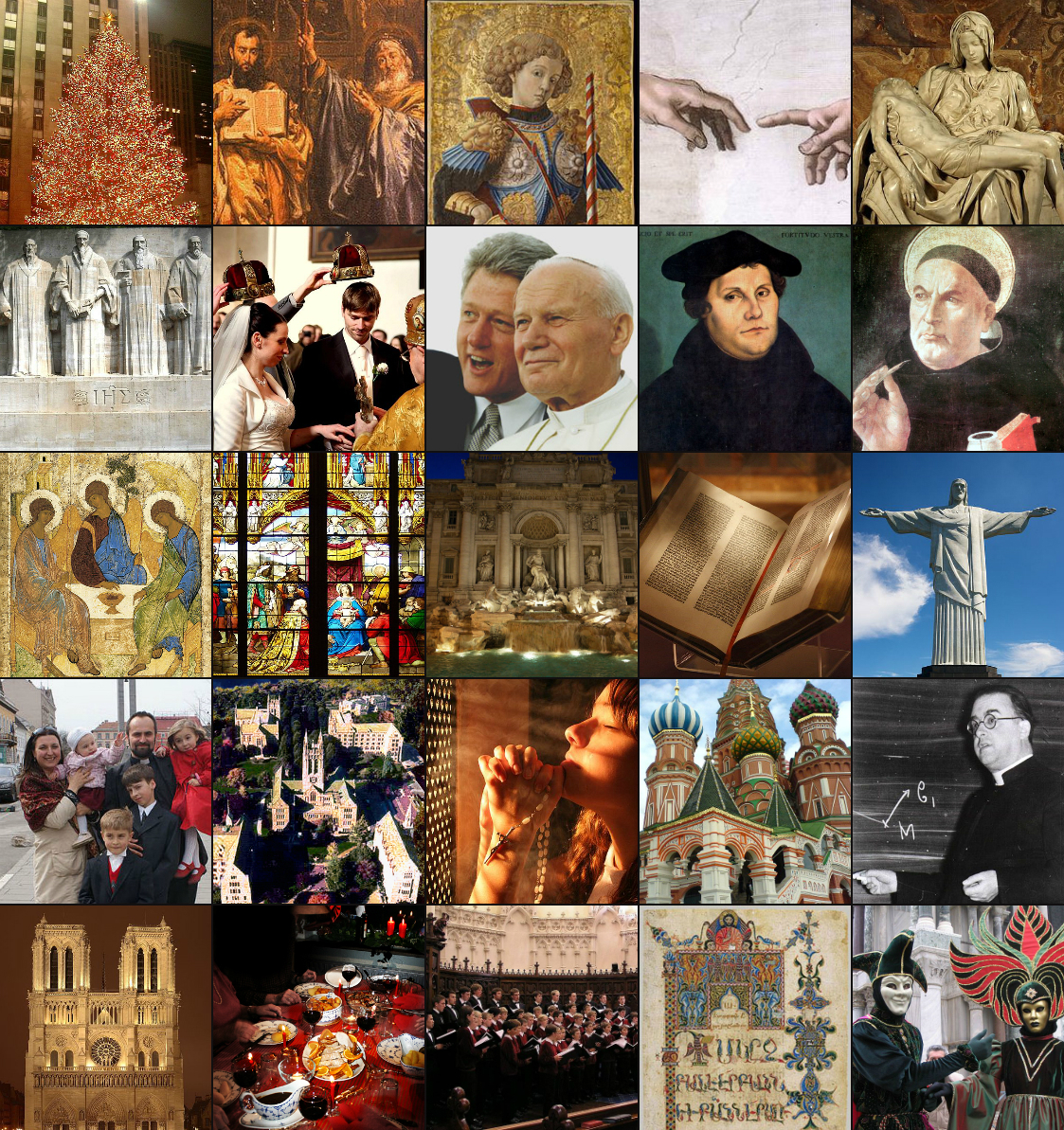
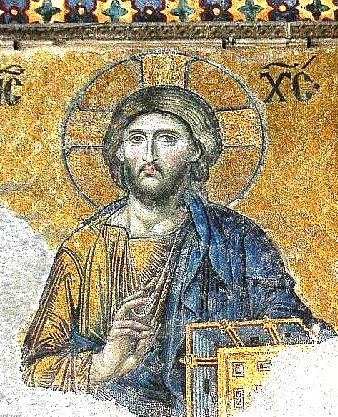
Main families and churches
- Assyrian Church of the East — an ancient East Syriac tradition rooted in Mesopotamia and linked here: Assyrian tradition.
- Eastern Orthodox Churches — a communion centered on historic patriarchates and the Byzantine liturgical and theological heritage: Eastern Orthodox.
- Oriental Orthodox Churches — communities tracing their common stance to pre-Chalcedonian theology: Oriental Orthodoxy.
- Eastern Catholic Churches — churches that preserve eastern liturgies and disciplines while being in communion with the Bishop of Rome. See examples in academic and church resources: Eastern Catholics.
- Eastern Protestant movements — churches and communities in eastern Christian lands that adopted Protestant theology and forms.
These groups differ in theology, liturgy, and church order but share many ancient practices: episcopal governance, sacramental life centered on the Eucharist, and the use of venerable liturgical languages and rites. Classic liturgical families found in Eastern Christianity include Byzantine, Alexandrian, Antiochene, Armenian and East Syriac rites. Many churches place strong emphasis on continuity with apostolic teaching and with the first councils of the undivided Church.
History and development
Eastern Christianity emerged from the early centuries of the Christian movement when local centers such as Antioch, Alexandria and Constantinople developed distinctive theological schools and liturgical customs. Over time doctrinal controversies and differing interpretations of Christology led to lasting divisions, notably the split between Chalcedonian and non-Chalcedonian groups in the fifth century. Political change — including the rise of Islam and later the Ottoman period — shaped the institutions, languages and demographics of these churches. Missionary expansion also carried Eastern rites to East Africa, Central Asia and India.
Practices, culture and modern significance
Worship in Eastern churches often emphasizes the sensory and sacramental: icons, chant, incense, and a strong sacramental rhythm of daily prayer and feast days. Church architecture, monasticism and iconography became formative cultural forces in regions where these churches predominated. In the modern era Eastern Christians engage in ecumenical dialogues with Western churches, work on reconciliation among Eastern families, and address contemporary social challenges in their countries of residence. For contemporary relations and resources see regional studies and interchurch dialogues noted at dialogue resources.
Distinctive facts and comparisons
Important distinguishing features include different liturgical calendars (often using old or revised calendars), variations in Eucharistic bread and liturgical language, and diverse models of ecclesial authority (regional patriarchs, autocephalous churches, or communion with Rome). While sometimes contrasted with Western Christianity — especially the Latin tradition of the Roman Catholic Church — Eastern Christianity is a complex family of traditions that have shaped theology, art and society across three continents. For more on specific churches and their history consult resources on the Eastern European context and the Middle Eastern heritage, and consider studies of mission and diaspora in East Africa and India.
Related articles
Author
AlegsaOnline.com Eastern Christianity: traditions, history, rites and global presence Leandro Alegsa
URL: https://en.alegsaonline.com/art/29744