
Westchester County, New York: overview, geography, history, and communities
County north of New York City with diverse suburbs, major cities like Yonkers and White Plains, Hudson River shoreline, commuter networks, parks, and a mix of residential, commercial and historic areas.

Westchester County lies immediately north of New York City and functions as one of the principal suburban rings for the metropolitan area. Home to nearly a million people, the county combines dense urban neighborhoods, older inner-ring suburbs and more rural, wooded areas farther from the city. Its location and transportation links make it a major base for people commuting into Manhattan and other employment centers.
Image gallery
10 Images





Geography and borders
The county stretches from suburban corridors along the Hudson to inland residential communities and small rivers. To the west it is bounded by the Hudson River, while to the east it meets the Connecticut state line and Fairfield County, Connecticut. To the north lie more rural and less densely developed counties. The variation in terrain includes riverfront bluffs, low-lying coastal areas, and rolling hills that support parks and preserved open space.
Major cities and communities
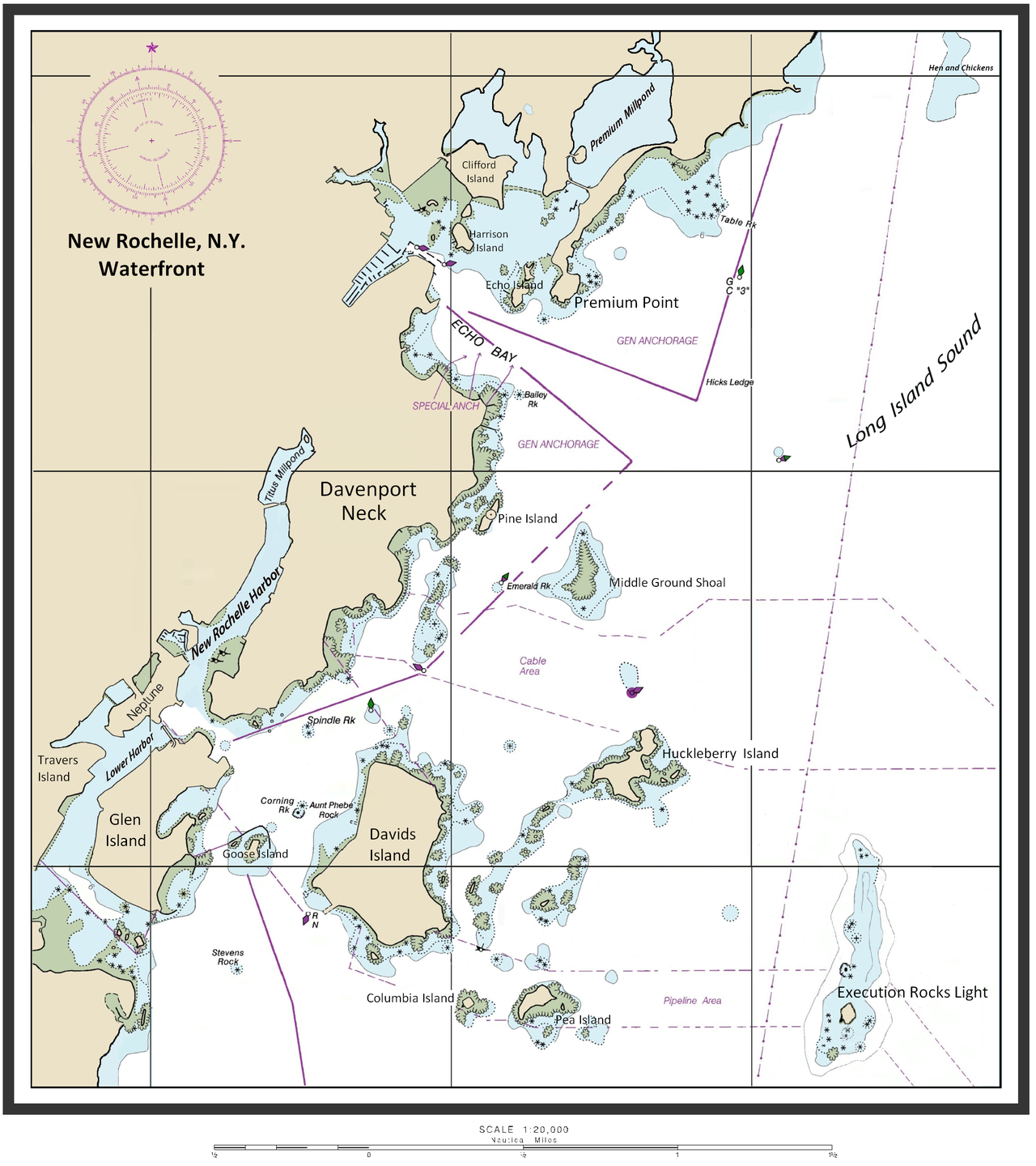
Westchester contains a range of municipalities, from large cities to towns and villages. The largest city is Yonkers, which combines waterfront and industrial history with residential neighborhoods. Other important centers include White Plains, a regional business and court center, and New Rochelle, known for its coastal neighborhoods. Many smaller towns and villages provide a suburban character and local services.
History and development
Settlement dates to the colonial period, when Native American paths, Dutch traders and later English settlers established farms, villages and trade routes. Over the 19th and 20th centuries the county evolved as rail and road connections to New York City improved, triggering suburban growth. Industrial and waterfront zones developed near the river, while inland areas became primarily residential.
Economy, commuting and transportation
Westchester’s economy mixes local services, health care, retail, corporate offices and light industry. Commuter rail lines, express buses and highways link communities to Manhattan and neighboring business districts; this connectivity shapes land use, housing demand and daily travel patterns. Some areas have concentrated commercial centers, while others are dominated by single-family neighborhoods.
Parks, culture and notable facts
The county contains numerous parks, historic sites and cultural institutions that reflect its long settlement and proximity to the city. Open spaces along rivers and ridge lines provide recreation, while downtowns host arts, dining and civic functions. As a suburban county immediately adjacent to a major metropolis, Westchester exemplifies the mix of urban influence and suburban living that characterizes much of the northeastern United States. For more detailed guides and local services see resources on suburbs and regional planning, and commuting options described by transit authorities and municipal websites.
- Bordering areas: neighboring counties and states include Fairfield County, CT and others to the north and east.
- Rivers and waterfront: the Hudson River shapes western communities and industry.
- Principal municipalities: Yonkers, White Plains, New Rochelle.
For official county information, services and planning resources consult county portals and municipal pages linked by local government and visitor bureaus.
Related articles
Author
AlegsaOnline.com Westchester County, New York: overview, geography, history, and communities Leandro Alegsa
URL: https://en.alegsaonline.com/art/107475