
New Rochelle, New York
Suburban city in Westchester County on Long Island Sound, founded by Huguenot settlers; a commuter community with historical sites, waterfront parks, diverse neighborhoods, and downtown redevelopment.
Overview
New Rochelle is a city in Westchester County in the United States, located on the shore of Long Island Sound just northeast of New York City. A suburban municipality with an urban center, New Rochelle had a population of about 77,062 at the 2010 census. It combines residential neighborhoods, commercial corridors and waterfront areas and functions as both a local economic hub and a commuter community for the New York metropolitan region.
Image gallery
10 Images


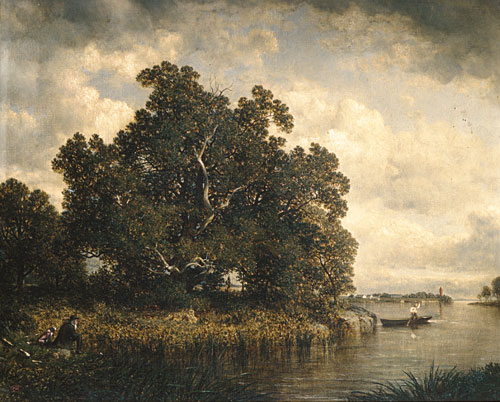
History and development
Founded in the late 17th century by French Huguenot refugees, the city’s name commemorates La Rochelle in France. Its growth accelerated in the 19th and early 20th centuries with improved transportation and the arrival of industry and cultural workers. In the early 1900s New Rochelle attracted illustrators and artists, creating a notable community of commercial artists and writers. Later suburbanization and postwar development reshaped much of the city’s residential fabric.
Neighborhoods and landmarks
New Rochelle contains a variety of distinct neighborhoods and notable sites. Key neighborhoods include:
- Downtown / City Center
- Huguenot and Rochelle Park
- Beechmont and Wykagyl
- Davenport Neck and waterfront enclaves
Prominent landmarks and public places include Glen Island Park, the Thomas Paine Cottage, municipal and cultural institutions, and mixed-use developments such as the New Roc City entertainment complex. The city also hosts higher-education campuses and community libraries.
Transportation and economy
New Rochelle is served by commuter rail connections that provide access to Manhattan, along with regional highways that support commuting and local commerce. The local economy is a mix of retail, professional services, light industry and institutions; many residents commute to jobs elsewhere in the metropolitan area while others work in downtown and neighborhood businesses.
Culture, demographics and notable facts
New Rochelle is culturally diverse, with a mix of longtime families and newer arrivals. Its coastal setting supports recreational activities, parks and waterfront development. The city’s early role as a home for illustrators and its historical sites give it a distinctive cultural heritage, while recent decades have emphasized downtown revitalization and waterfront planning to balance preservation with modern growth.
Related articles
Author
AlegsaOnline.com New Rochelle, New York Leandro Alegsa
URL: https://en.alegsaonline.com/art/69601