
Wax tablet: reusable writing surface in antiquity
Wax tablets were wooden boards coated with wax used across antiquity for drafting, schooling, and correspondence; they were reusable, portable, and appear in archaeological contexts from the Bronze Age to the Roman world.
Overview
A wax tablet is a shallow wooden board whose surface was covered with a layer of wax and used as a writable surface in the ancient Mediterranean and beyond. Writing was made by incising the wax with a stylus rather than applying ink; the material could be smoothed and re-used. The behaviour of wax—soft and impressionable when warm, firm when cooled—was an important property for its practical use: see discussion of how warm wax changes consistency.
Image gallery
4 Images


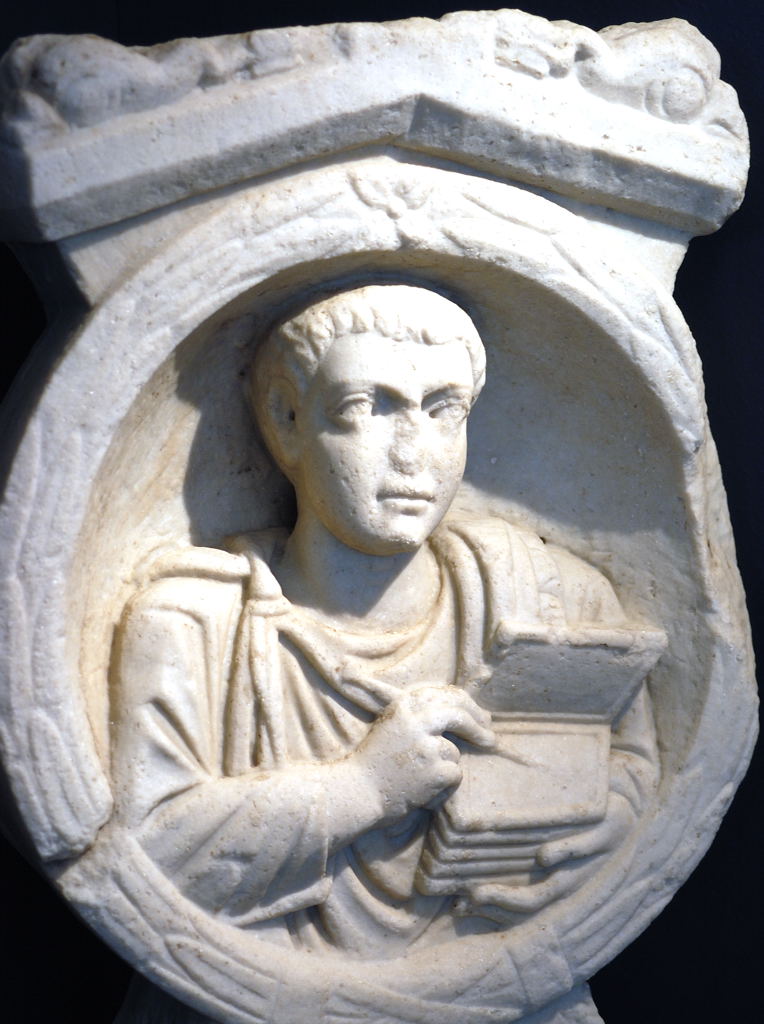
Design and characteristics
Typical wax tablets consisted of a rectangular or sometimes circular wooden frame with a recessed panel filled with beeswax or another malleable compound. Common features included:
- Wooden backing or leaf, often of boxwood or similar hardwood.
- A beeswax surface, sometimes darkened with pigment to improve contrast.
- A stylus with a pointed end for writing and a flat end for erasing and smoothing.
- Hinges or bindings when used in pairs or in a small diptych—some examples show hinged construction using materials like ivory or metal.
Archaeological finds have recovered tablets with articulated joins and even decorated outer faces; an ivory feature is noted on some hinged examples (ivory detail, hinge example).
History and notable finds
Writing tablets appear early in the archaeological record. One of the earliest surviving examples dates to the later Bronze Age, around 1400 BCE (Bronze Age example). A remarkable recovery occurred in 1986 when a boxwood writing tablet with an ivory hinge was found among the cargo of the Uluburun shipwreck off the coast near Kaş, Turkey (Uluburun find).
Uses and comparisons
Wax tablets served many practical roles: they were used in schools for exercises and arithmetic, in business for temporary records and accounts, and for draft notes or messages. Their reusability made them economical for repeated practice. For messages or documents requiring permanence, people preferred ink written on wood or on prepared parchment and papyrus. Archaeological letter finds such as the wooden tablets from military sites illustrate this contrast—ink on wood can survive as more permanent evidence (ink vs. wax permanence) and specific collections like the Vindolanda tablets provide examples of wooden letters. Over time, ink-based manuscripts became more common for longer texts and could be bound together into a codex (manuscripts, codex development).
Significance and legacy
Wax tablets represent a practical stage in the history of writing technology. They bridge mnemonic and ephemeral note-taking on one hand and the more durable media of papyrus, parchment, and paper on the other. Their frequent use in education and administration makes them key to understanding daily literacy, learning practices, and record-keeping in ancient societies. For introductions to primary finds and further reading, see curated resources and museum catalogues that discuss both early examples and later Roman use (wax properties, early tablets).
Note: For archaeological context and images consult specialist publications and museum collections that catalogue recovered tablets and related objects.
Related articles
Author
AlegsaOnline.com Wax tablet: reusable writing surface in antiquity Leandro Alegsa
URL: https://en.alegsaonline.com/art/106941