
Codex — the ancient book form
A codex is a book composed of individual pages bound together, replacing the scroll. This article explains its structure, materials, history, uses, and why codices mattered for preservation and reading.
Overview
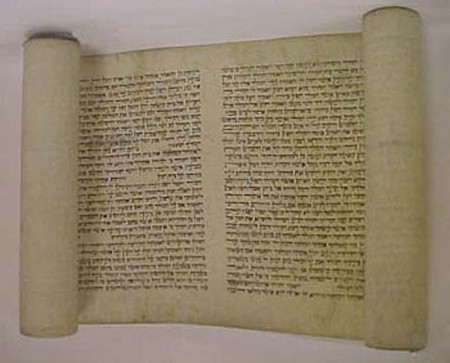
A codex (plural: codices) is a book-like object made of separate sheets of writing material that are bound together along one edge. Unlike a scroll, which is a single long roll read by unrolling, a codex presents individual leaves or pages that can be turned. The term is most often applied to hand-produced books from antiquity and the medieval period, usually written on prepared animal skins such as vellum or parchment. Because it groups discrete leaves together in a portable form, the codex changed how texts were used, stored, and copied.
Image gallery
9 Images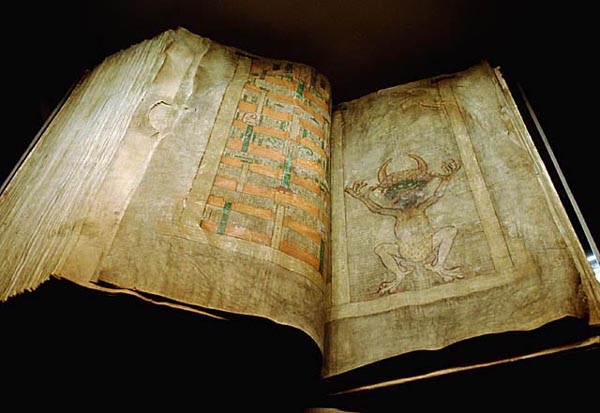




Physical characteristics and components
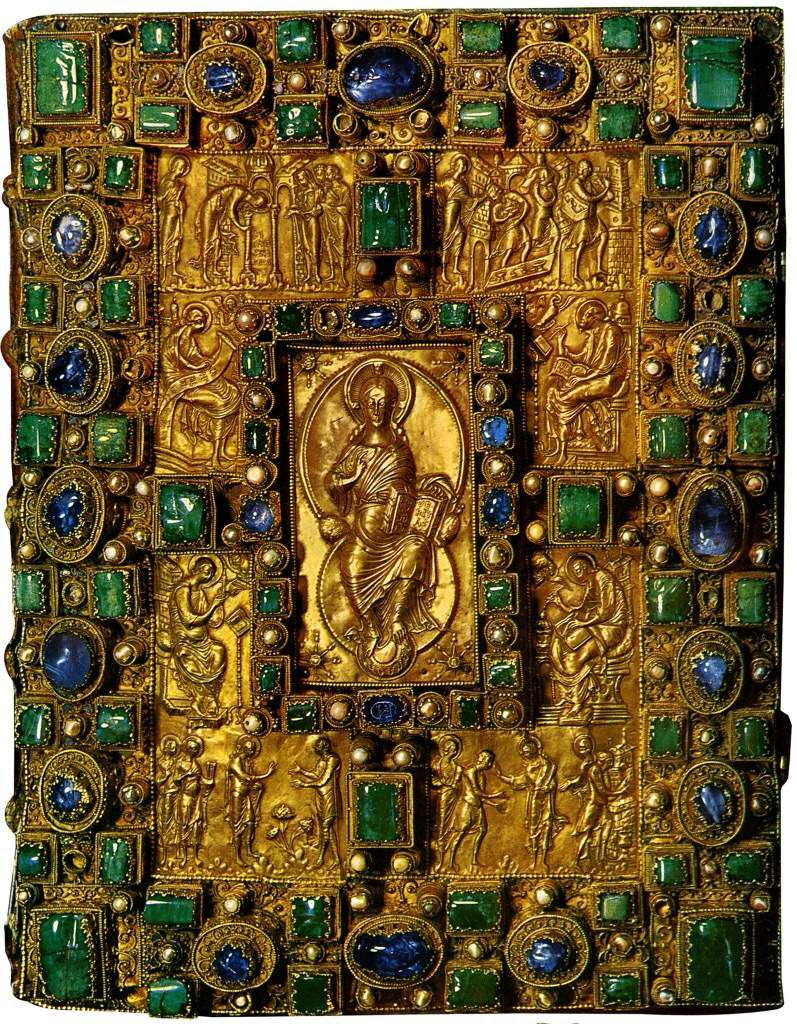
Codices vary widely in size and finish, from small pocket volumes to large display books. Typical features include gatherings (also called quires) of folded sheets, sewn supports that hold the gatherings together, and boards or panels for covers which were often dressed in leather. Interior pages usually have a recto (front) and verso (back); many codices contain ruling lines, margins, and pricking marks to guide scribes. Illuminated codices incorporate painted initials and decorative borders.
- Material: animal skins (vellum, parchment) or, later, paper.
- Structure: folded gatherings sewn into a spine.
- Covers: wooden or pasteboard boards, often leather-bound.
- Layout: folios with recto/verso and pagination or foliation.
History and development
Evidence suggests the codex form began to appear in the Roman world in the first centuries AD. The Roman poet Martial is among the earliest literary witnesses to the format, praising the convenience of small bound books. Over the next few centuries the codex spread through diverse communities and by about the third century it was common alongside scrolls. The transition from scroll to codex accelerated for practical reasons—compact storage, easier reference and annotation—and by the early medieval period the codex had largely superseded the scroll across the Greco-Roman world and beyond.
Uses, examples, and cultural importance
Codices were used for religious scriptures, legal codes, literature, scientific works, and administrative records. The format favored texts that required frequent access or cross-referencing, such as sacred scriptures and legal collections. Some of the most famous surviving examples are early biblical codices, which are central to the study of textual history and manuscript traditions. These ancient books are prized both for their textual content and for evidence they provide about the technologies of writing and bookmaking.
Preservation and legacy
Because many codices were written on durable prepared skins and often stored in monastic libraries or archival collections, they have survived for many centuries, making them key primary sources for historians. Techniques developed for their manufacture—gathering, sewing, binding, and illumination—laid the groundwork for later book production in the hand-press era and influenced the design of modern books. Today, codices are studied in fields such as paleography, codicology (the study of books as physical objects), and conservation, and important manuscripts are digitized for wider access.
Distinctions and terminology
The word "codex" is sometimes used simply to mean an ancient manuscript book, while "manuscript" emphasizes that the text was hand-written. The codex should be distinguished from the scroll (a continuous roll) and from later printed books, though the basic idea of bound sequential pages continues in modern book design. Scholars examining surviving codices focus on materials, sewing and binding methods, script and layout, and evidence of use such as annotations and repairs.
For more detailed discussions of material techniques and specific manuscripts, see studies of vellum and parchment making, codicological surveys, and catalogues of major collections. Many resources are available that treat particular aspects of codex production and conservation in depth.
Further reading on pages versus scrolls · Vellum: materials and preparation · Parchment and its properties · Historical context of the codex transition
Questions and answers
Q: What is a codex?
A: A codex is a book-like object with writing on separate pages.
Q: How is a codex different from a scroll?
A: A codex is different from a scroll because it has separate pages, whereas a scroll is one continuous long document.
Q: What materials were used for writing codices?
A: Codices were written on vellum or parchment.
Q: How long can books last?
A: Books can last for centuries.
Q: Who first described the codex?
A: The codex was first described by the 1st-century AD Roman poet Martial, who praised it.
Q: When did the codex become as common as scrolls?
A: The codex became as common as scrolls by about AD 300.
Q: When did the codex completely replace scrolls in the Greco-Roman world?
A: The codex completely replaced scrolls in the Greco-Roman world by the 6th century.
Related articles
Author
AlegsaOnline.com Codex — the ancient book form Leandro Alegsa
URL: https://en.alegsaonline.com/art/21376