
Wellesley College
Wellesley College is a private liberal arts college for undergraduate women, founded in 1870 in Wellesley, Massachusetts, known for rigorous academics, a scenic campus, and influential alumnae.
Wellesley College is a private liberal arts institution for undergraduate women founded in 1870. It began as the Wellesley Female Seminary and was established by Henry F. Durant and his wife, Pauline. The college is located in the town of Wellesley, Massachusetts, in the United States, roughly thirteen miles from central Boston. Wellesley is known for its residential campus, a curriculum grounded in the liberal arts and sciences, and a long tradition of educating women for leadership.
Image gallery
10 Images


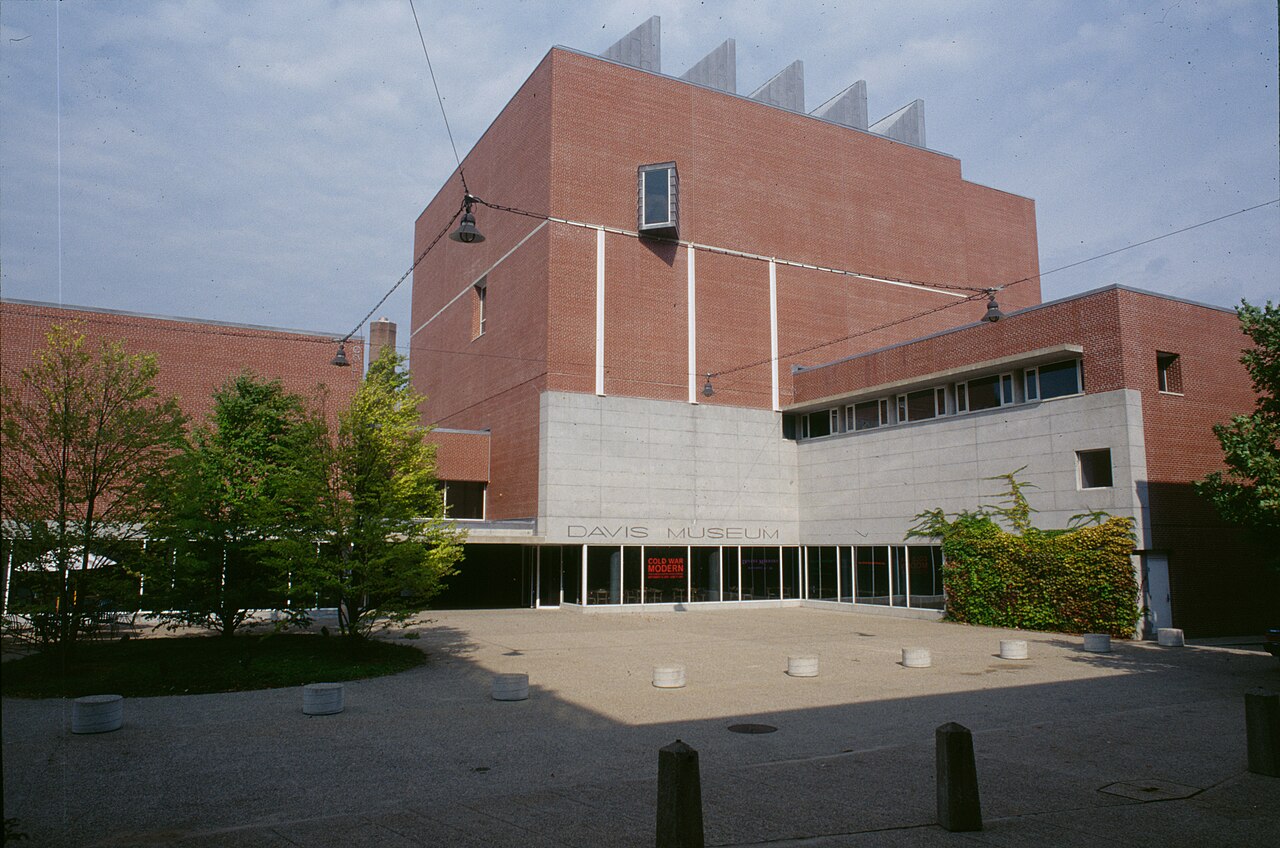




History and development
Wellesley opened in the late 19th century at a moment when higher education for women was expanding in the United States. The institution kept the term "seminary" in its earliest name, reflecting contemporary language for women's collegiate schooling, and evolved into a fully chartered college with an emphasis on independent scholarship. Over time it became associated with other prominent women's colleges and helped shape models for undergraduate liberal-arts education.
Campus, academics, and student life
The compact, arboreal campus includes historic masonry buildings, landscaped green spaces and bodies of water that are notable features of its setting. Academically, Wellesley emphasizes small seminars, faculty-student interaction, and a broad distribution across the arts, humanities, natural sciences and social sciences. The college offers majors, minors and opportunities for research, study abroad and internships. Residential life and student organizations form an active civic and cultural community.
Significance and notable aspects
Wellesley is celebrated for a strong alumnae network and for producing graduates who have gone on to visible roles in public life, education, research and the nonprofit sector. The college's reputation rests on academic selectivity, a long record of liberal-arts teaching, and an enduring mission to educate women for leadership and service.
Quick facts
- Founded: 1870 (originally Wellesley Female Seminary).
- Type: Private undergraduate liberal arts college for women.
- Location: Suburban campus near Boston; scenic and historically preserved grounds.
- Distinctive qualities: Small classes, residential life, emphasis on leadership and research.
For further institutional or historical details, consult official college resources or academic histories that document the development of women's higher education in the United States.
Related articles
Author
AlegsaOnline.com Wellesley College Leandro Alegsa
URL: https://en.alegsaonline.com/art/107199