
White asbestos (chrysotile): characteristics, uses, health risks and regulation
Comprehensive guide to white asbestos (chrysotile): mineral properties, historical and modern uses, how exposure causes disease, and approaches to regulation, removal and risk reduction.
Overview
White asbestos, commonly called chrysotile, is the most widely used form of asbestos. It belongs to the serpentine group of minerals and is distinct from the amphibole asbestos types by its curly, flexible fibres. Chrysotile was used extensively in construction and industry for its heat resistance, tensile strength and insulating properties. For a concise list of asbestos types and classifications, see types of asbestos.
Image gallery
5 Images


Physical and chemical characteristics
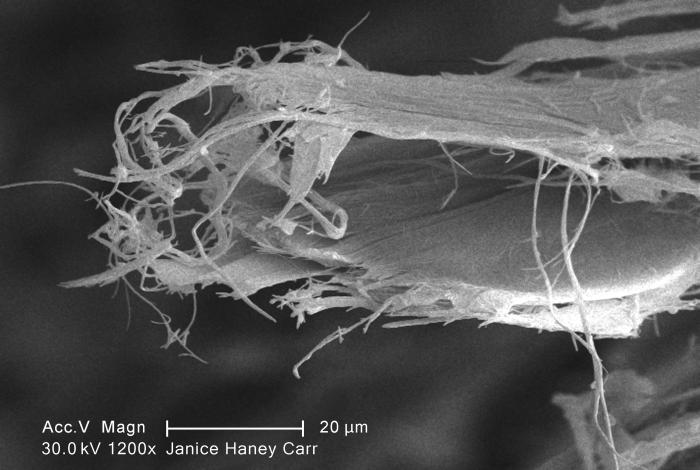
Chrysotile is a magnesium silicate with a layered, sheet-like crystal habit that tends to roll into fine tubular fibrils. These fibrils are typically pliable, which made chrysotile easier to work into textiles, gaskets and cementitious materials than some straight, needle-like amphibole fibres. In bulk it often appears white, giving rise to the common name. The fibres are chemically resistant and retain strength at high temperatures, properties that explain their wide historical use.
Historical and typical uses
From the late 19th century through much of the 20th century, chrysotile was incorporated into a broad range of products. Typical applications included asbestos-cement sheets and pipes, roofing materials, thermal insulation for boilers and pipes, brake linings, friction materials, gaskets, textiles and certain coatings and plasters. Many older buildings and consumer products may still contain chrysotile-based materials; such legacy materials are a common source of current exposure when disturbed.
Health effects and mechanism
All forms of asbestos, including chrysotile, are associated with serious health effects when respirable fibres become airborne and are inhaled. Prolonged or heavy exposure increases the risk of asbestosis (a progressive fibrotic lung disease), lung cancer and malignant mesothelioma, a cancer of the lining of the chest or abdomen. Symptoms may not appear until many years after exposure. For information linking exposure to specific cancers, consult authoritative resources on asbestos-related cancer and on asbestosis and related disorders.
Exposure, diagnosis and latency
Exposure risk is highest when chrysotile-containing materials are cut, broken, abraded or removed without controls, releasing fibres into the air. Diagnosis of asbestos-related disease relies on occupational and exposure history, clinical examination, imaging and, in some cases, lung function testing or tissue biopsy. Many asbestos-related conditions have long latency periods measured in decades; therefore past exposure can be relevant to current symptoms.
Regulation, safe handling and removal
Because chrysotile poses a health hazard, regulatory approaches vary by jurisdiction and can include bans, strict use limits, workplace exposure standards, mandatory training and licensing for abatement contractors, and specified disposal methods. When asbestos-containing materials are in good condition and undisturbed they generally pose lower immediate risk; the principal hazard arises from fibre release during renovation or demolition. Professional assessment, air monitoring and accredited removal procedures are recommended for suspected chrysotile materials rather than do-it-yourself disturbance.
Practical advice and further reading
- If you suspect asbestos in a building, do not disturb the material; contact a qualified inspector or licensed abatement professional.
- Keep records of building surveys and any abatement work; documentation is important for health and legal reasons.
- Follow local regulations for notification, containment, worker protection and disposal when asbestos removal is required.
Because terminology, permitted uses and legal requirements differ between countries and over time, individuals and organizations dealing with chrysotile should consult local occupational health authorities, environmental regulators or licensed abatement specialists for authoritative guidance rather than relying solely on general descriptions.
Related articles
Author
AlegsaOnline.com White asbestos (chrysotile): characteristics, uses, health risks and regulation Leandro Alegsa
URL: https://en.alegsaonline.com/art/107785
Sources
- asbestos.com : "Asbestos: An Overview of What it Is & Exposure Risks"