
Waste heat: sources, recovery methods, and practical challenges
An accessible overview of waste heat—its origins, thermodynamic basis, common sources, recovery options (including cogeneration and organic cycles), and practical limits on reuse.
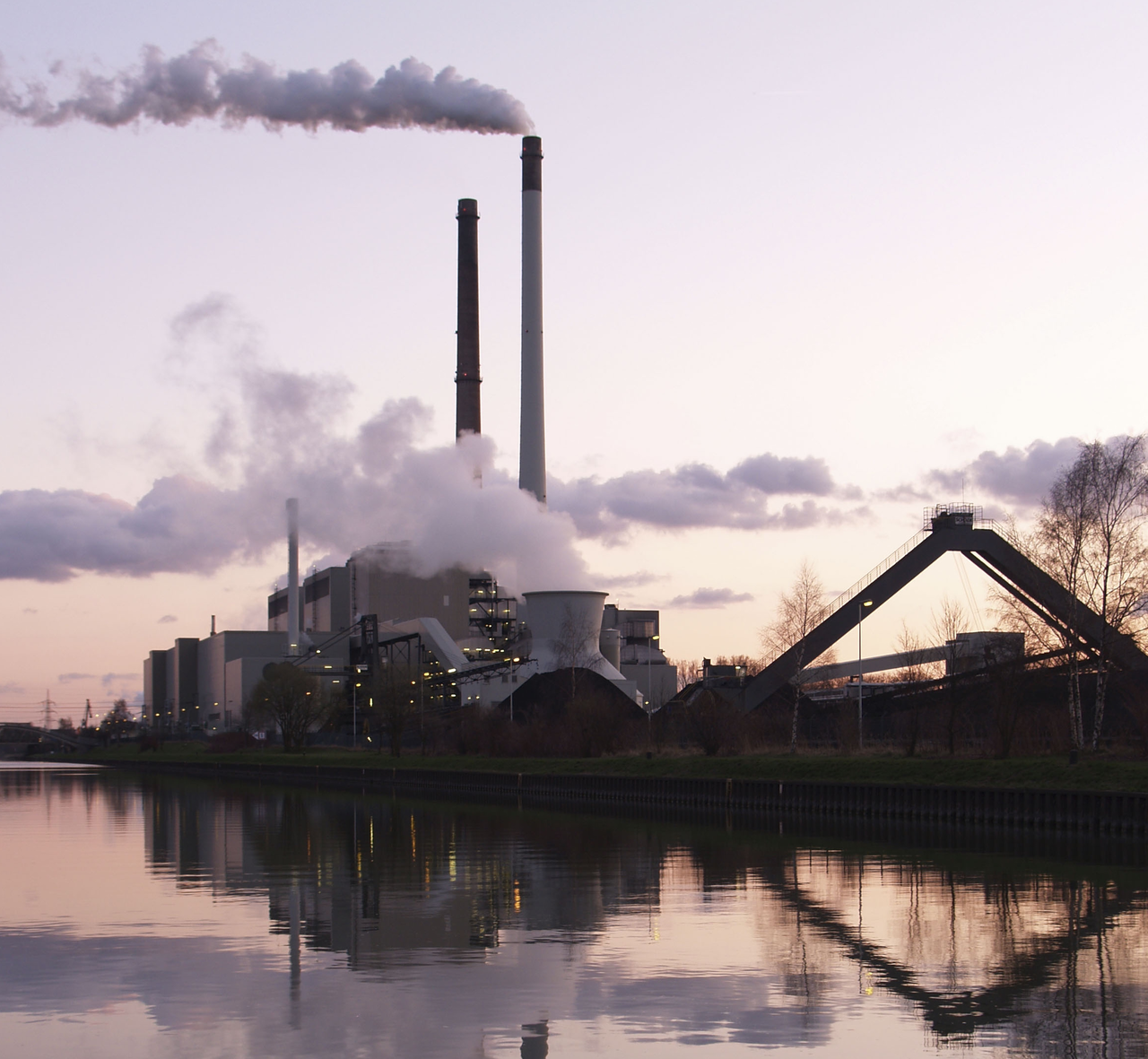
Waste heat is thermal energy produced by machines, industrial processes, and energy conversion systems that is not put to a useful purpose at the point of generation. It is often described as a by-product: see by-product and the general concept of heat. Because it arises whenever useful work is extracted from energy carriers, waste heat is ubiquitous across transport, manufacturing, power plants and buildings.
Image gallery
6 Images



Sources and characteristics
Common origins of waste heat include mechanical losses in machines, combustion processes, heat rejected from engines and turbines, and warm effluents from industrial reactors. A portion of the input energy supplied to any device is transformed into unwanted heat by inevitable processes such as friction and viscous dissipation; fluid viscosity and flow losses play a similar role (viscosity). Waste heat varies widely in temperature, from near-ambient warm streams to high-temperature exhausts, and that temperature is a key factor for potential reuse.
Thermodynamic basis and history
The tendency for energy conversion to produce heat is rooted in the Second Law of Thermodynamics: not all input energy can be turned into useful work without creating entropy and rejecting heat (second law). Historically, recognition of waste heat led to developments such as combined heat and power systems and improved insulation. Over time engineers have sought ways to capture and redirect heat that would otherwise be discarded.
Recovery methods and practical uses
Recovering waste heat can improve overall energy efficiency. Techniques include:
- Direct reuse on-site for process heating, space heating, or preheating of feedstocks.
- Heat exchange and heat pumps to raise low-temperature heat to useful levels.
- Combined heat and power (CHP) or cogeneration systems that produce electricity and capture the exhaust heat for heating.
- Thermodynamic cycles that generate electricity from low-grade heat, such as systems using organic working fluids (organic Rankine cycles) which operate at lower temperatures than traditional steam plants.
Challenges to utilization
Practical obstacles limit how much waste heat can be recovered. Heat is hard to transport economically over long distances because losses increase with temperature difference and distance; storage of thermal energy requires additional equipment and can be costly. The lower the temperature of available waste heat, the more complex and less economical it becomes to convert it back into electricity. Site-specific factors—matching supply with demand, capital costs, and regulatory or logistical constraints—also shape whether recovery is feasible.
Notable distinctions and contemporary importance
Not all waste heat is equal: high-temperature exhausts from furnaces or gas turbines have clear recovery pathways, while diffuse low-grade heat from air or cooling water is more challenging to exploit. Interest in waste heat recovery has grown with efforts to reduce emissions and improve energy efficiency in industry and cities. When feasible, capture and reuse of waste heat can lower fuel consumption, reduce greenhouse gas emissions, and improve overall system performance.
For additional introductory material and technical references see basic definitions, sources on thermal energy, engineering discussions of mechanical losses, texts addressing energy inputs, studies of frictional heating and viscosity effects, foundational statements of the second law, practical descriptions of cogeneration, and resources on organic working fluids.
Related articles
Author
AlegsaOnline.com Waste heat: sources, recovery methods, and practical challenges Leandro Alegsa
URL: https://en.alegsaonline.com/art/106753