
Weapons of Mass Destruction
An overview of weapons of mass destruction: definitions, major types (nuclear, chemical, biological, radiological), effects, history, legal controls, and modern issues.
Weapons of mass destruction (WMD) are broadly understood to be weapons that can cause large numbers of casualties, extensive damage to infrastructure, or long-term environmental contamination. Exact legal and technical definitions vary between states and institutions, but the common feature is the potential for disproportionate, widespread harm compared with conventional weapons.
Image gallery
7 Images


Major categories
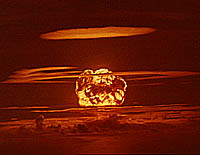
- Nuclear: devices that release energy through nuclear fission or fusion, producing blast, heat and long-lived radiation.
- Chemical: toxic substances or agents that can injure or kill through inhalation, ingestion, or skin contact.
- Biological: pathogens or toxins that cause disease or death, and may spread between people, animals or plants.
- Radiological: dispersal of radioactive material (a "dirty bomb") that contaminates areas and may cause radiological hazards without a nuclear detonation.
These categories differ in how they act: nuclear weapons produce immediate, massive destruction; chemical agents tend to be acute and localized; biological threats can involve incubation periods and secondary transmission; radiological events pose contamination and long-term cleanup challenges.
History and controls
Modern concern about WMD grew after the use of chemical weapons in World War I and the atomic bombings of 1945. International efforts to limit these weapons include treaties and norms such as the Nuclear Non-Proliferation Treaty, the Chemical Weapons Convention, and the Biological Weapons Convention, alongside export controls and verification mechanisms. Implementation is uneven and subject to political debate; for further authoritative material see related resources.
Responding to WMD risks requires prevention, monitoring, emergency preparedness, and international cooperation. Debates persist over definitions, the inclusion of advanced cyber or conventional means under WMD rhetoric, and how best to balance security, humanitarian law and disarmament goals.
Related articles
Author
AlegsaOnline.com Weapons of Mass Destruction Leandro Alegsa
URL: https://en.alegsaonline.com/art/107029