
Walter Guinness, 1st Baron Moyne: British politician and wartime minister (1880–1944)
Biography of Walter Edward Guinness, 1st Baron Moyne (1880–1944): his family background, political and military career, appointment to the Middle East, assassination in Cairo and the controversy that followed.
Overview
Walter Edward Guinness, 1st Baron Moyne (29 March 1880 – 6 November 1944) was a British Conservative politician and member of the Guinness family. He represented the constituency of Bury St Edmunds in Parliament for many years and served in both world and government roles. His career combined political office, active military service in World War I and senior government work during the Second World War. He was killed in Cairo in 1944 by members of the Lehi underground, an event that became a focal point for debate about British policy in the Middle East.
Image gallery
7 Images


Early life and political career
Born in Dublin into the prominent Guinness family, Walter Guinness entered public life at an early age. He was first elected as the Conservative Member of Parliament for Bury St Edmunds in 1907 and held the seat until 1931. During that period he became known as a party politician who moved between parliamentary duties and business interests, and in 1932 he was raised to the peerage with the title Baron Moyne. He also served as a member of the Privy Council and held a number of ministerial responsibilities at various times.
Military service and honours
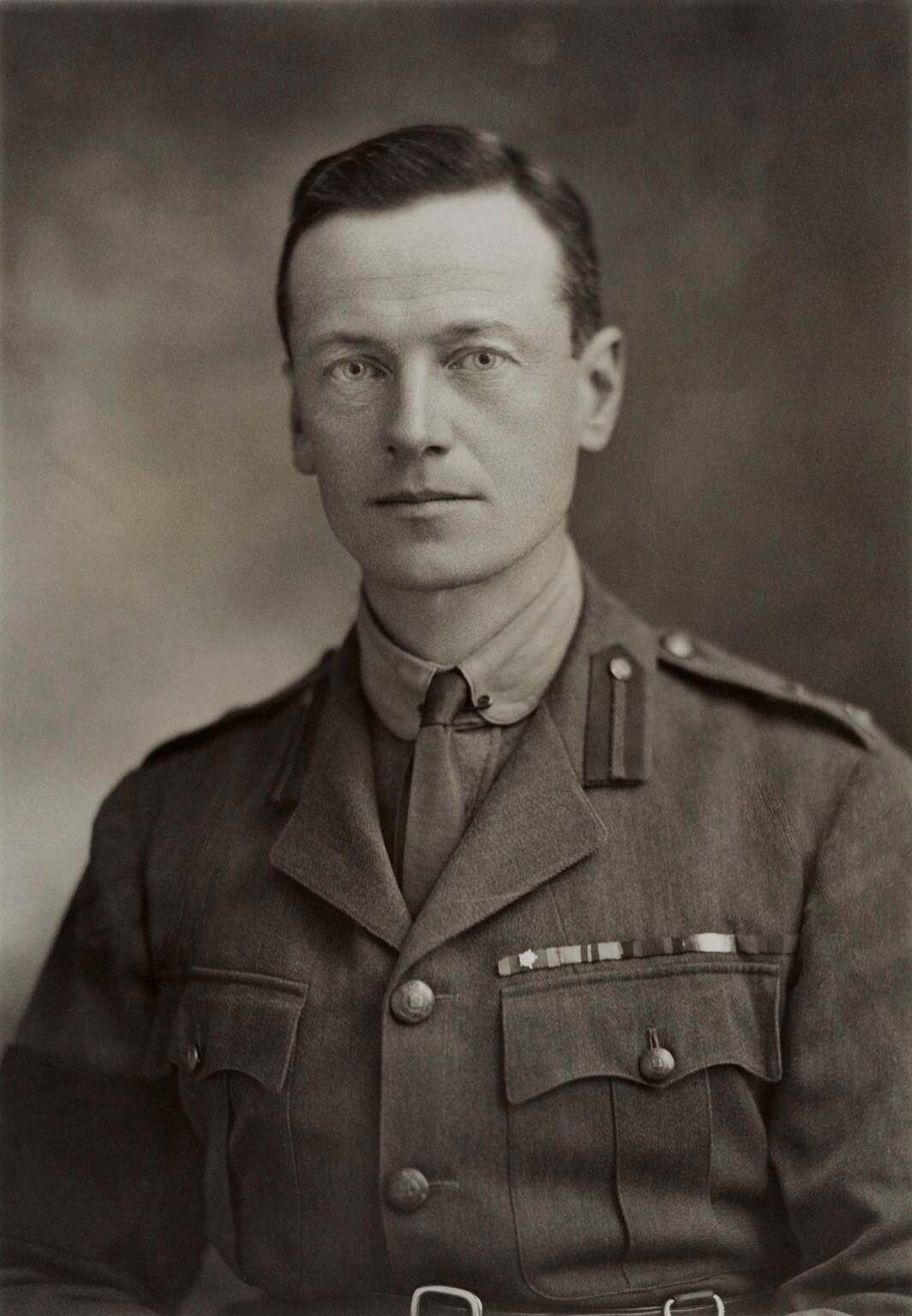
Guinness saw active service in the First World War, including action at Passchendaele. For his service he was awarded the Distinguished Service Order (DSO) and a subsequent Bar, marking a second award of that decoration. His wartime experience and family standing shaped his public image and informed his later governmental work, particularly on questions related to defence and overseas policy.
Middle East posting and assassination
During the Second World War he accepted a senior government appointment in the Middle East and was based in Cairo. On 6 November 1944 he was assassinated by members of the Zionist militant group Lehi (often called the Stern Group). Lehi described the killing as an act aimed at influencing British policy in Palestine and at protesting what it called British imperialism in the region. The assassination immediately generated political and diplomatic repercussions, prompting debate in Britain, in the Mandate authorities and among Jewish organisations about tactics, security and policy toward Palestine.
Legacy and controversies
Lord Moyne's assassination remains one of the most controversial episodes of the wartime Middle East. The event intensified scrutiny of British policy in Palestine and of the tactics used by militant Zionist groups. Some contemporaries and later commentators pointed to remarks attributed to Moyne as evidence of hostility toward Jewish interests; such attributions have been disputed, and historians emphasize caution when assessing charged claims made during wartime. The killing had immediate legal and political consequences and long-term significance for relations between Britain, the Jewish community, and political movements in the region.
Further reading and links
- Biography and parliamentary record
- Birthplace and family background
- Early life and education
- Conservative Party affiliation and history
- Bury St Edmunds constituency history
- First World War service and campaigns
- Circumstances of the Cairo posting
- Context: Egypt during World War II
- Lehi (Stern Group) background
- Details of the assassination incident
- British government response
- Mandate-era policy debates
- Discussion of imperial policy and criticism
- Claims about Moyne's alleged statements
- The Madagascar idea in historical context
- Aftermath and legal proceedings
- Modern historical assessments
Related articles
Author
AlegsaOnline.com Walter Guinness, 1st Baron Moyne: British politician and wartime minister (1880–1944) Leandro Alegsa
URL: https://en.alegsaonline.com/art/106363