
Water park
A recreational facility with water-based attractions such as slides, wave pools and splash pads; includes design, safety, indoor/outdoor types, and common attractions.
A water park (sometimes written waterpark) is a recreational facility, often associated with a theme park or resort, that centers on attractions and play areas involving water. Typical features range from tall enclosed slides to shallow children's splash pads and artificial surfing surfaces. Water parks serve recreational, social and commercial roles, offering ways to cool off, exercise, and entertain families and groups in a controlled aquatic environment.
Image gallery
10 Images
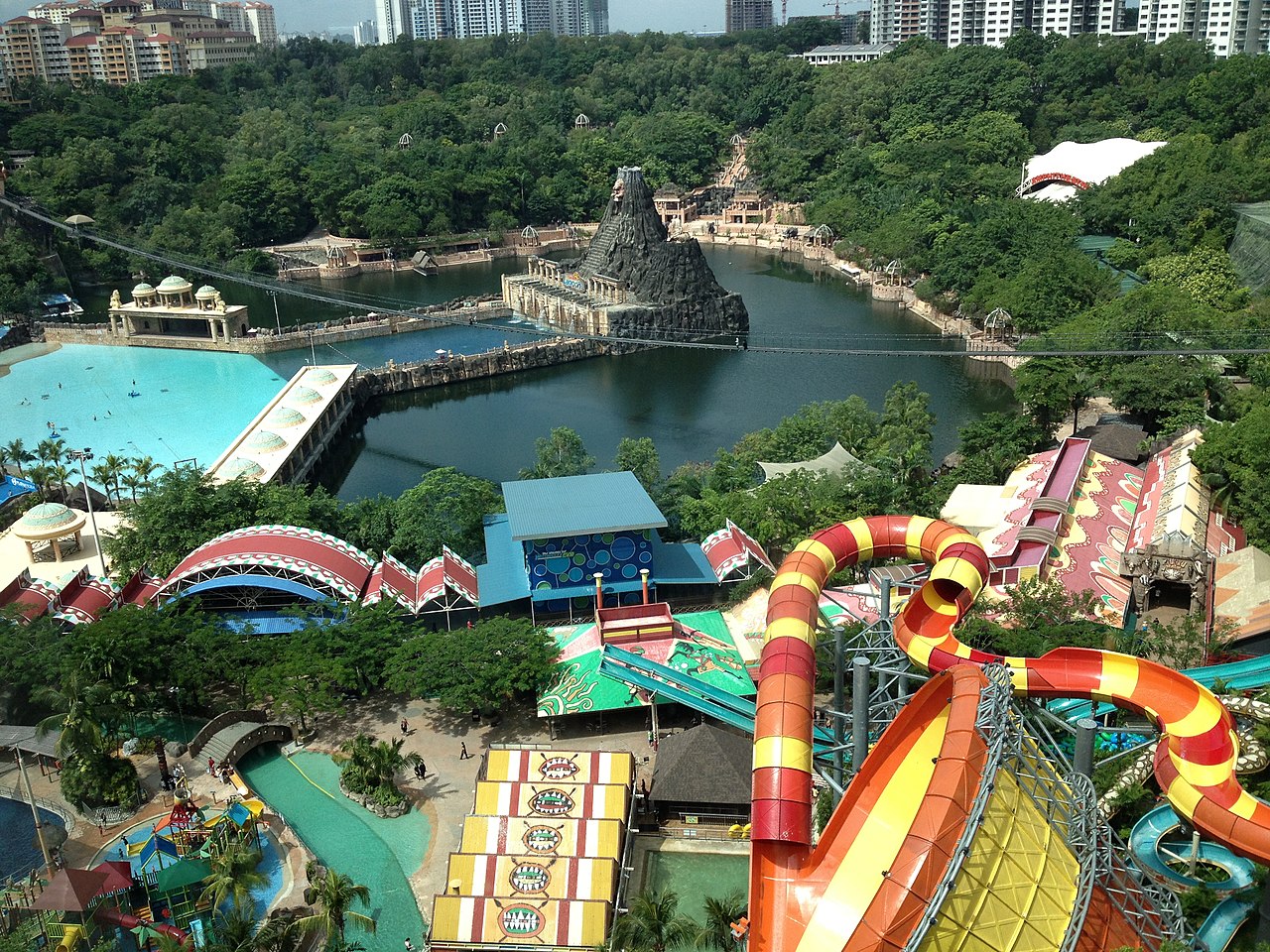
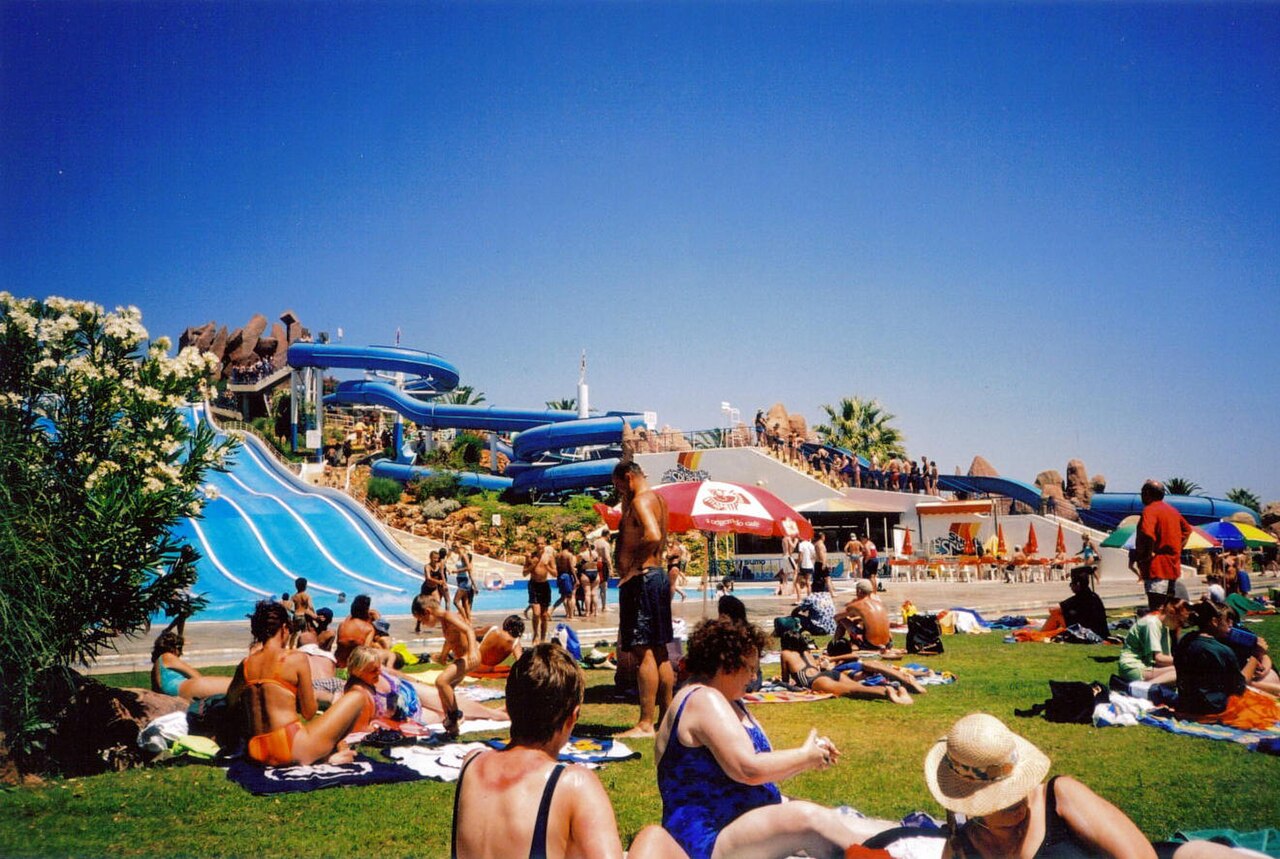


Common features and attractions
Most water parks contain a variety of intentionally designed elements to suit different ages and thrill levels. Common attractions include:
- Water slides (open or enclosed, body slides, tube slides and raft rides)
- Wave pools and artificial surfing installations such as artificial surfing platforms
- Lazy rivers and flow channels for floating on inner tubes
- Splash pads, spraygrounds and interactive water playgrounds with no standing water
- Specialty features such as water coasters, plunge pools, and children’s play structures
Some attractions emphasize standing water and swimming, while others are designed around intermittent spray or flowing currents that reduce depth and drowning risk. Splash pads and spraygrounds are increasingly popular in urban settings because they provide play value without deep pools and heavy lifeguard requirements.
History, design and operation
The modern water park concept was popularized in the late 20th century as engineering, pump technology and water treatment advanced. Designers balance fun with engineering constraints: hydraulics, drainage, filtration, and anti-slip materials. Operators implement extensive water treatment and circulation systems, routine maintenance, and lifeguard staffing to manage safety and hygiene. Accessibility, shade, and seasonal considerations also influence whether a facility is indoor, outdoor, or attached to a hotel or resort.
Safety and operational practices include posted depth limits, height or age restrictions for certain rides, life-jacket availability, and trained lifeguards. Many parks use timed-entry systems, height-measuring stations, and strict ride protocols to reduce risk. Distinctions between a water park and a public swimming pool include the presence of engineered attractions, themed environments, and a greater reliance on mechanical water features rather than open lap swimming.
Water parks continue to evolve with new ride concepts, sustainability measures such as water recycling, and integrations with broader leisure complexes. For more general background on aquatic recreation and bathing activities see bathing and swimming. Additional technical or tourism-oriented resources are available through specialist organizations and industry guides.
Questions and answers
Q: What is a water park?
A: A water park is a theme park that features water play areas such as water slides, splash pads, spraygrounds, lazy rivers, or other recreational bathing, swimming, and barefooting environments.
Q: What are some examples of water play areas found in water parks?
A: Some examples of water play areas found in water parks include water slides, splash pads, spraygrounds, and lazy rivers.
Q: Are there any additional features found in water parks that are in their more current states of development?
A: Yes, water parks in more current states of development may also have some type of artificial surfing or bodyboarding environment such as a wave pool or FlowRider.
Q: What is a wave pool?
A: A wave pool is an artificial pool that creates waves that simulate the ocean.
Q: What is a FlowRider?
A: A FlowRider is a type of artificial surfing or bodyboarding environment found in some water parks.
Q: What is the purpose of water parks?
A: The purpose of water parks is to provide visitors with a fun and interactive way to enjoy water play and recreation.
Q: Are both adults and children allowed to enjoy water parks?
A: Yes, both adults and children are allowed to enjoy water parks.
Related articles
Author
AlegsaOnline.com Water park Leandro Alegsa
URL: https://en.alegsaonline.com/art/106804
Sources
- waterparkresortstoday.com : waterparkresortstoday.com