
Voting: Methods, Purpose, and Role in Collective Decision‑Making
Voting is the process by which people express preferences to choose leaders, adopt laws, or decide group actions. This article explains methods, history, uses, key terms and common variations in voting systems.
Voting is a common method groups use to make decisions by collecting individual choices and aggregating them into a collective outcome. It appears in many contexts, from informal choices among friends to selecting public officials or approving laws. The basic elements of voting are voters, options (candidates or proposals), a procedure for casting choices and a rule for determining the result once votes are counted.
Image gallery
10 Images


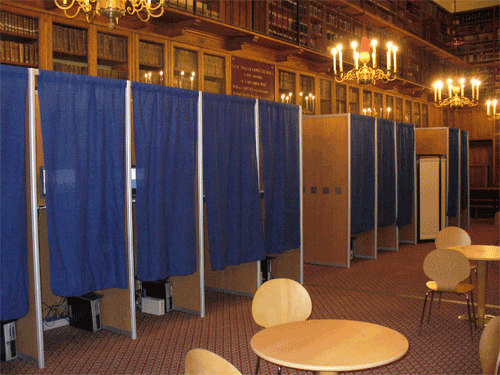


How votes are cast and counted
Methods of voting vary widely. Some common formats include voice votes, show-of-hands, paper ballots, and electronic voting. Ballots may be secret to protect privacy, or open in small meetings. After voting closes, ballots are tallied by hand or with mechanical or electronic systems; some jurisdictions use both a paper record and a machine count to increase reliability. Modern discussions about ballot design and counting focus on clarity, auditability and accessibility.
Major systems and decision rules
Different voting rules produce different outcomes. The side with the largest share of votes can win under plurality or first-past-the-post systems, while a majority rule requires more than half of valid votes for a decisive result. Some elections use runoffs when no candidate reaches a required threshold, and many representative bodies are chosen by proportional systems that aim to match seat shares to vote shares.
- Plurality and plurality-runoff: winner-takes-all unless a second round is required.
- Majority voting: often used for single-seat offices and important constitutional decisions.
- Proportional representation: common in legislatures to reflect diverse preferences.
Where voting is used and why it matters
Voting decides who will lead or represent a group, whether to enact a law or amend a constitution, and can also resolve smaller matters such as club rules or business decisions. Elections in national governments determine offices from local councils to heads of state; referendums and initiatives let citizens decide specific policy questions. For example, communities may vote to approve a building project, while international bodies debate measures on global issues.
History, rights and challenges
The right to participate in elections is known as suffrage, and its expansion has been a major theme in democratic development. Practices such as the secret ballot, standardized ballots and impartial administration helped make voting more inclusive and resilient. Yet challenges remain: ensuring high participation, preventing fraud or undue influence, providing access for people with disabilities, and designing systems that fairly translate votes into decisions.
Related concepts and further reading
Commonly referenced topics include electing a leader or representative (leader election), passing laws (legislative votes), use of counting technology (voting machines), international decision-making (global institutions) and arms-control votes (security resolutions). Technical rules such as majority rule affect outcomes, and constitutional procedures may require special thresholds (constitutional amendments) or multiple rounds when choosing a government official. For practical guidance and official procedures, consult relevant local authorities and impartial resources (election guides, technical reports).
Related articles
Author
AlegsaOnline.com Voting: Methods, Purpose, and Role in Collective Decision‑Making Leandro Alegsa
URL: https://en.alegsaonline.com/art/105946