
Welfare queen (political slur and stereotype in the United States)
Pejorative term used in U.S. politics and media to describe alleged misuse of public assistance; tied to media stories, political rhetoric, and debates over welfare policy and stigma.
The phrase "welfare queen" is a pejorative label used in the United States to describe a woman accused of exploiting public assistance programs such as welfare. It evokes an image of deliberate fraud, manipulation of benefit rules, or irresponsible parenting, and is primarily a rhetorical device rather than a neutral description of any verified social pattern.
Image gallery
2 Images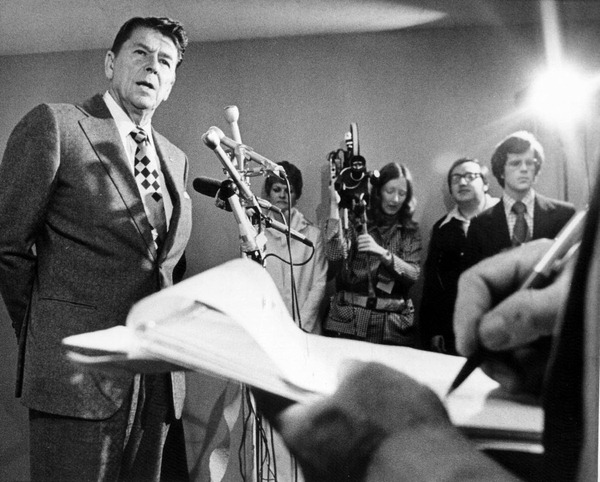

Typical traits and how the stereotype is used
The stereotype suggests a small number of characteristics that are repeated in political speeches and popular culture: an adult woman, often portrayed as a single mother; multiple dependents; use of state aid for a lifestyle perceived as lavish; and deliberate evasion of rules. These depictions have been used to justify tighter eligibility rules, stigma, and public suspicion of recipients.
Common elements in portrayals include:
- Allegations of welfare fraud or identity manipulation.
- Media focus on individual wrongdoing rather than structural causes of poverty.
- Racialized undertones that critics argue influence who is blamed and how policy responds.
Origins and media history
Stories about individuals abusing welfare benefits began appearing in mainstream magazines in the early 1960s. The modern, widely circulated form of the phrase emerged in the 1970s, most prominently when politicians and commentators invoked it to describe high-profile cases. In particular, Ronald Reagan used the term during his political rise, associating it with the case of Linda Taylor; that example helped popularize the label and its political potency.
The focus on exceptional cases boosted public attention but also simplified complex situations. Investigations and later historical accounts showed that individual scandals were often more complicated than the popular label implied, and that administrative error, fragmented benefit systems, and poverty-related constraints play large roles.
Scholars and advocates note that, while misconduct and fraud occur in welfare programs, research suggests they represent a limited portion of overall spending. The lasting effect of the "welfare queen" trope has been to shape debate about social safety nets, increasing scrutiny, and contributing to stigma toward recipients. Contemporary discussion tends to emphasize structural explanations for need—such as low wages, limited childcare, and housing costs—rather than moralizing single cases.
For further reading on the term's rhetoric and consequences see resources on political language, media framing, and social policy reform, which analyze how labels influence public attitudes and legislation. Additional context and critical perspectives can be found via historical studies and policy research links such as accounts of political use and biographical examinations of figures involved in early cases like Linda Taylor.
Related articles
Author
AlegsaOnline.com Welfare queen (political slur and stereotype in the United States) Leandro Alegsa
URL: https://en.alegsaonline.com/art/107188
Sources
- news.google.com : "Reagan's stories don't always check out"