
Water politics: governance, scarcity, and transboundary issues
Water politics examines how societies allocate, regulate and dispute access to fresh water, covering scarcity, pollution, governance, transboundary rivers, and policy responses to ensure equitable and sustainable supply.
Water politics refers to the social, economic and political processes that determine who controls and uses freshwater resources. The term covers local, national and international decisions about availability, quality, allocation and regulation of water. Competing demands from households, agriculture, industry and ecosystems create political choices about priorities, investment and rights. For further context see related resources on water governance.
Image gallery
5 Images
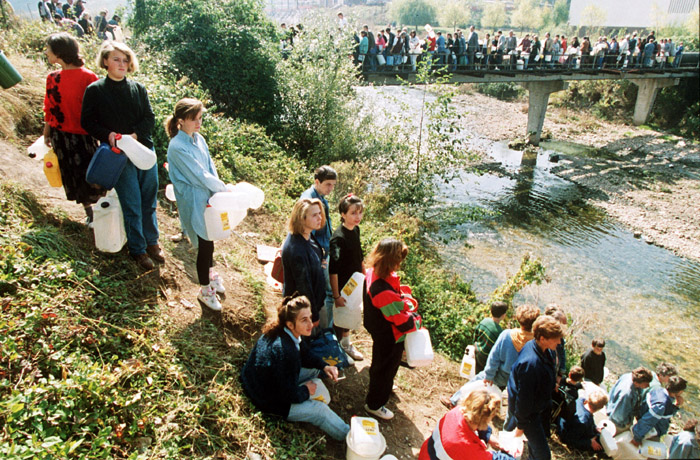


Key pressures and characteristics
Freshwater is limited in many places because of natural distribution, climate variability and human activities. Major pressures include over-extraction of groundwater, high water use by certain industries and irrigated agriculture, and contamination from chemicals, sewage and runoff. These pressures reduce reliable access to safe drinking water and productive uses. For information about scarcity concepts see definitions and indicators, and for public health concerns see waterborne disease links.
Governance, rights and distribution
Water politics involves laws, institutions and informal rules that shape allocation and management. Important elements include water rights and permits, pricing and subsidies, infrastructure funding, and regulatory enforcement. Public debate often centers on equity—who pays and who benefits—and on accountability for pollution and service delivery. Comparative policy and technical guides can be consulted at water policy portals.
Transboundary and conflict dimensions
Rivers, lakes and aquifers that cross political borders introduce complex diplomatic issues: upstream users may affect downstream quantities and quality, and shared basins can be sources of both cooperation and tension. International law, river basin organizations and bilateral treaties are common mechanisms to manage these relationships. Case studies and basin agreements are documented in repositories such as transboundary resources and research on cooperation at basin-level institutions.
Responses, tools and notable approaches
Policymakers and communities use a range of tools to address water politics: investments in treatment and distribution infrastructure; demand management through pricing and efficiency improvements; pollution controls and sanitation; integrated water resources management that balances sectoral needs; and technological options such as reuse and desalination where appropriate. Public participation and transparency are key to legitimacy and long-term success. Practical guidance and successful interventions can be explored via implementation guides.
- Common issues: scarcity, contamination, inequitable access, and aging infrastructure.
- Governance tools: legal rights, pricing, permitting, basin organizations, and diplomacy.
- Outcomes sought: reliable supply, safe drinking water, ecosystem health, and conflict avoidance.
Understanding water politics requires linking hydrology with social institutions and economics. Effective responses blend technical solutions with inclusive governance so that scarce freshwater supports human needs and environmental sustainability.
Related articles
Author
AlegsaOnline.com Water politics: governance, scarcity, and transboundary issues Leandro Alegsa
URL: https://en.alegsaonline.com/art/106805