
Crow (Genus Corvus): Description, behavior, distribution and cultural role
Crows (genus Corvus) are intelligent, adaptable birds in the crow family Corvidae. This article outlines their appearance, behaviour, evolution, ecological role and relationships with people.
Overview
Crows belong to the genus Corvus, a prominent group within the family Corvidae. They range from medium to large passerine birds and are best known for their mainly dark plumage, omnivorous diet and high cognitive abilities. The genus includes familiar species such as the carrion crow, the partly grey hooded crow, the social rook, the smaller jackdaw and the large common raven. In English a group may be called a flock or, more poetically, a murder.
Image gallery
10 Images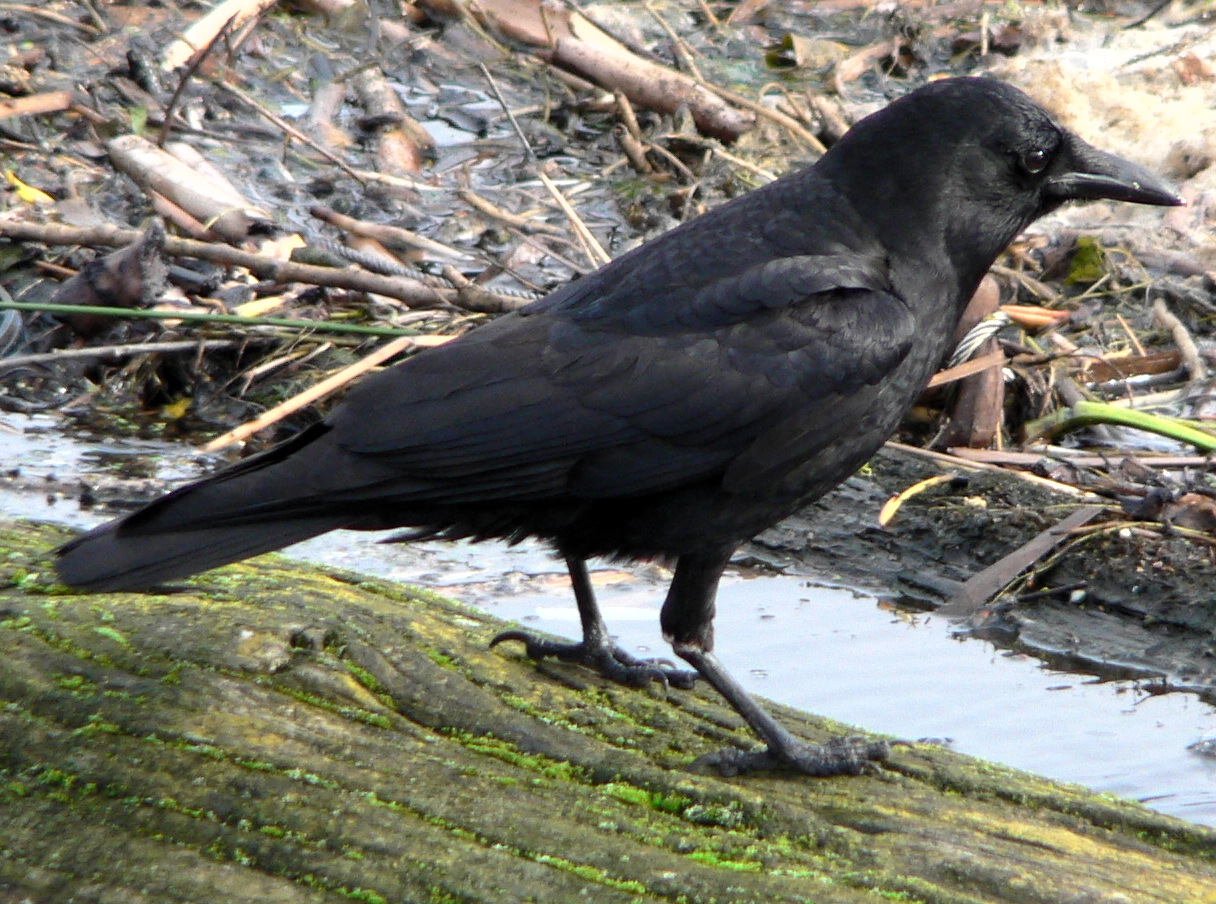


Characteristics
Crows show a range of sizes, but share a similar body plan: strong bills, sturdy legs and generally glossy black or dark feathers (with some species showing grey or mixed tones). Key features include:
- Omnivorous feeding habits, including scavenging and hunting small animals.
- Complex vocalizations and social behaviours often seen in groups.
- Notable intelligence: problem-solving, tool use and social learning are well documented.
Distribution and evolutionary background
Members of Corvus occur across most temperate regions; the genus is present on all temperate continents except South America, and they inhabit many islands. There are roughly forty species of Corvus. Current scientific evidence suggests that corvid ancestors diversified in the Australasian region and that true crows expanded across Eurasia, making Asia an important center for their later evolution; this reflects broader patterns within the Corvidae family and links to origins near Australia.
Behavior, ecology and importance
Crows play important ecological roles as scavengers, predators of small animals and occasional seed dispersers. Their adaptability allows many species to thrive in human-altered landscapes, from farmland to cities. Studies of cognition have shown crows can use tools, recognize individual humans, and solve multi-step tasks, traits that make them subjects of behavioural research and public interest.
Relationship with humans and cultural significance
Across cultures, crows appear in folklore, mythology and art, often symbolizing intelligence, death or transformation. Some species are considered pests where they damage crops or congregate at landfills, while others benefit from food and nesting opportunities in urban settings. Conservation status varies by species and region; habitat change, persecution and local threats affect some populations but many crows remain common.
Distinctions and notable facts
Distinguishing species can rely on size, bill shape, tail profile, calls and plumage patterns—features used to tell apart the raven from smaller crows. The rook often has a bare facial patch in adults, while the jackdaw is noticeably smaller and more social. For further reading on taxonomy and species accounts consult specialist resources and regional guides (distribution summaries).
Questions and answers
Q: What is the scientific name for crows?
A: The scientific name for crows is Corvus.
Q: What family do crows belong to?
A: Crows belong to the family Corvidae.
Q: What type of birds are crows?
A: Crows are medium to large sized birds.
Q: What are crows known for eating?
A: Crows are known for being carnivores and scavengers.
Q: How many species are in the genus Corvus?
A: There are 40 or so species in the genus Corvus.
Q: Where did crows evolve from?
A: Crows appear to have evolved from corvid stock which had evolved in Australia.
Q: What is a collective name for a group of crows?
A: The collective name for a group of crows is a flock or, more poetically, a murder.
Related articles
Author
AlegsaOnline.com Crow (Genus Corvus): Description, behavior, distribution and cultural role Leandro Alegsa
URL: https://en.alegsaonline.com/art/24381
Sources
- word-detective.com : "Murder of Crows, etc"
- news.nationalgeographic.com : "Crow makes wire hook to get food"
- video.pbs.org : "A Murder of Crows"
- books.google.com.au : Comparative vertebrate cognition: are primates superior to non-primates?
- bbc.co.uk : bbc.co.uk/news/magazine-31604026
- bbc.co.uk : bbc.co.uk/news/magazine-31795681