
Violin Concerto No. 1 in A minor, BWV 1042 (Bach)
A three-movement Baroque concerto for solo violin and orchestra by J. S. Bach (BWV 1042), composed c.1730. Fast–slow–fast form in ritornello style with a lyrical central movement and virtuosic solo writing.
The Violin Concerto No. 1 in A minor, BWV 1042, is a staple of the Baroque instrumental repertoire, written by Johann Sebastian Bach around 1730. Scored for a solo instrument and ensemble, it showcases the expressive and technical capabilities of the solo violin in dialogue with the supporting orchestra. The concerto follows the typical fast–slow–fast sequence of three movements and demonstrates how Bach absorbed and transformed Italian concerto models into his own contrapuntal language.
Image gallery
2 Images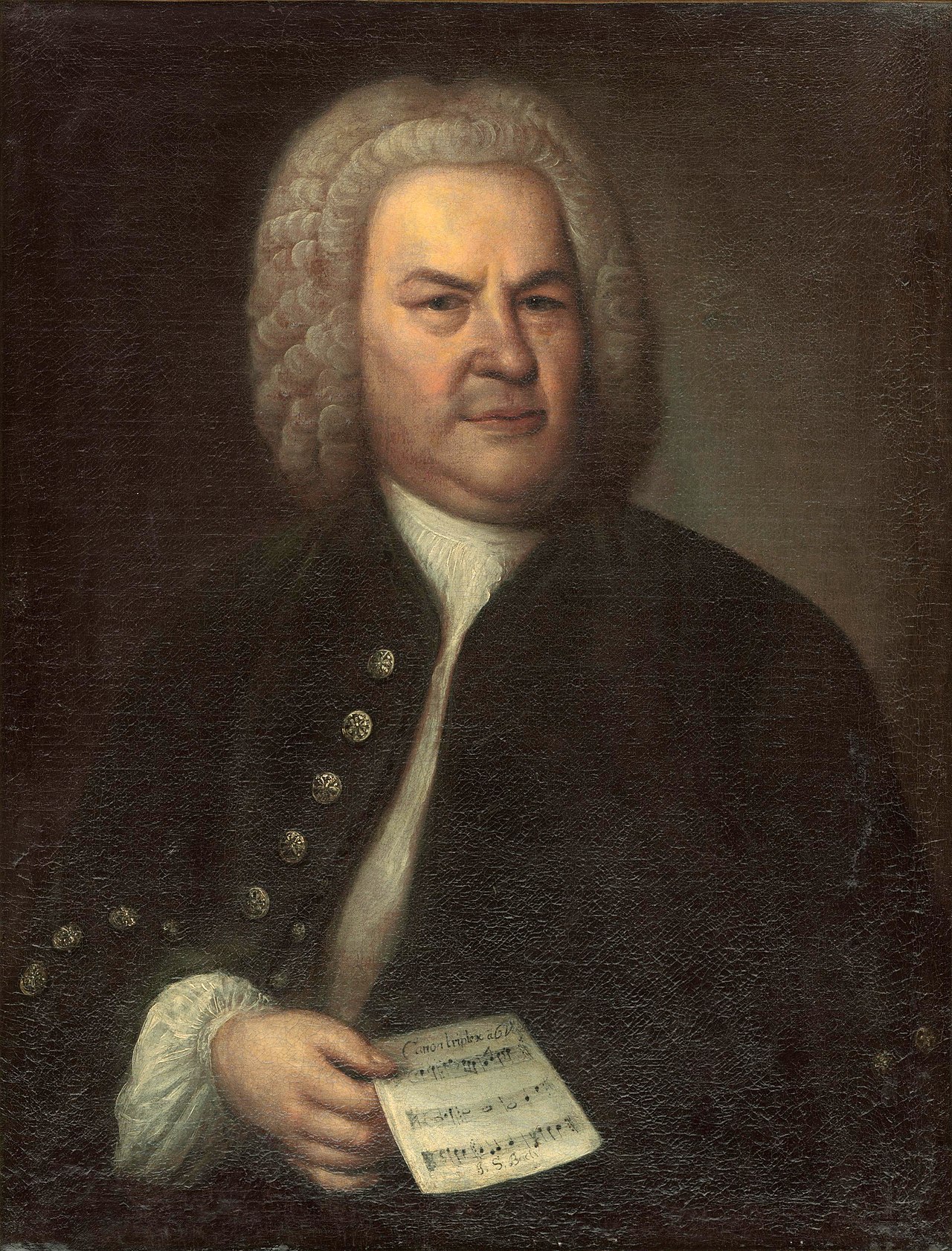

Structure and musical characteristics
The work is cast in three contrasting movements that balance ritornello-driven orchestral statements and virtuoso solo passages. The outer movements are lively and rhythmically buoyant, while the middle movement offers a songlike respite. Bach employs a mixture of orchestral ritornello material and episodic solo figurations so that the soloist alternately competes with and complements the ensemble.
- First movement: a brisk, energetic movement in a duple meter that uses ritornello form and passages of rapid passagework for the soloist.
- Second movement: a slow, lyrical aria-like movement that shifts to a more luminous tonal area (the relative major) and emphasizes long, singing lines and expressive ornamentation.
- Third movement: a spirited, dance-inflected finale in a compound meter, often described as jiglike, combining rhythmic drive with contrapuntal interplay.
Historical background
Bach wrote his violin concertos at a time when Italian models — especially the ritornello concertos of Antonio Vivaldi — were influential across Europe. Rather than merely copying that style, Bach integrated its features into his own compositional practice, adding denser polyphony and elaborate solo writing. The concerto survives through manuscript sources and has long been attributed to Bach’s mature Leipzig period, though precise dating is approximate.
Performance, technique, and reception
For performers the concerto offers both musical depth and technical challenge: the solo part contains fast scales, arpeggios, double stops and long lyrical phrases that require sustained tone control. Its combination of virtuosity and expressive restraint makes it central to concert programs, recordings, and pedagogy. Musicians often pair it with Bach’s other violin concerto (BWV 1041) or with transcriptions for keyboard and other instruments.
Importance and notable points
BWV 1042 is valued for its synthesis of Italian concerto form and German contrapuntal practice. The middle movement, in particular, is frequently praised for its introspective, almost vocal quality — a kind of aria without words — that provides warmth and melancholy between the two vivacious movements. The concerto remains one of the most performed works by Bach and a key piece in the study of Baroque solo repertoire.
For further reading and resources on the score, recordings, and analytical commentary, consult specialist catalogues and editions that collect Bach’s instrumental works and scholarly notes on performance practice.
Related articles
Author
AlegsaOnline.com Violin Concerto No. 1 in A minor, BWV 1042 (Bach) Leandro Alegsa
URL: https://en.alegsaonline.com/art/105479