
Vltava: the principal river of the Czech lands
Overview of the Vltava River in the Czech Republic, its course, towns and landmarks, role in culture (Smetana's 'Vltava'), uses, reservoirs and notable facts.
Overview
The Vltava is the longest river running entirely within the modern Czech Republic. Rising in the forested highlands of the country, it flows generally northward and passes through the national capital, Prague, before joining the Elbe River. The river is known by its Czech name Vltava and by the German name Moldau in older texts and musical works.

Image gallery
10 Images


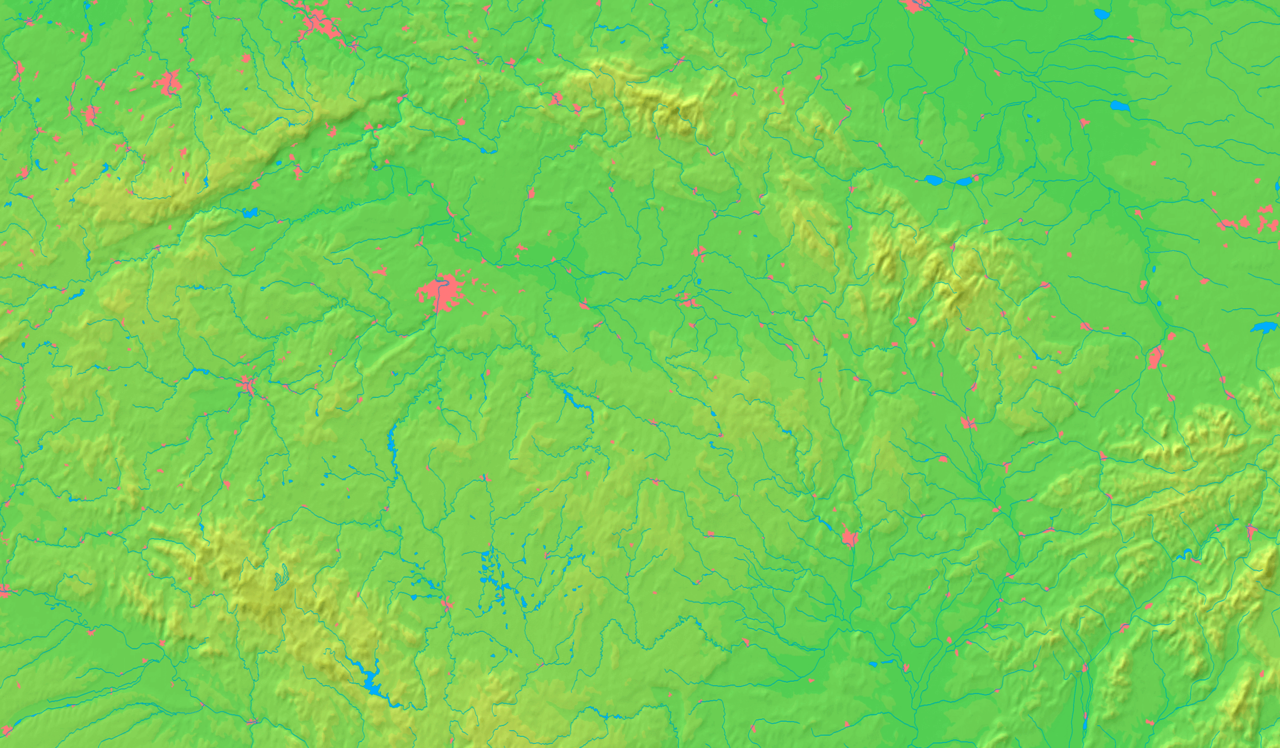


Course and physical characteristics
The Vltava begins from small upland streams in the Bohemian Forest and gains volume as it collects tributaries along its course. Its character varies from fast, narrower mountain sections to broad lowland reaches. Several large reservoirs and dams have been built on the river to regulate flow, provide hydropower and create navigation and recreation zones. The Lipno Reservoir, the most extensive reservoir on the river, forms an important recreational area and flood-control basin.

Towns, bridges and landmarks
Along its banks lie many towns and historical sites. Most prominent is Prague, where medieval bridges, riverside promenades and the historic core are intimately tied to the river’s line. Upstream are well-known historic towns with preserved architecture that draw visitors, and downstream the Vltava broadens as it approaches its confluence. Notable human-made features include a series of weirs and locks that support small-scale navigation.
Cultural significance
The Vltava has long inspired artists and composers. The 19th-century composer Bedřich Smetana celebrated the river in the symphonic poem often called "The Moldau," which forms one movement of his larger cycle Má vlast. That musical portrait uses orchestral imagery to suggest springs, forest streams, rural life and the procession of the water through the Bohemian landscape — a frequent reference in cultural histories and musical programs.

Uses, ecology and management
Today the Vltava supports multiple uses: hydroelectric power generation, flood control, tourism (boat trips, fishing and watersports), and urban water management. River management balances these economic activities with efforts to protect habitats for fish and birds and to maintain water quality. Periodic flood events have led to substantial investment in levees, reservoirs and monitoring systems.
Notable facts and distinctions
The Vltava is the Czech Republic’s principal internal watercourse and plays a central role in national geography, history and identity. It appears repeatedly in literature, music and visual arts and remains a focal point for visitors exploring Czech towns and landscapes. For navigation, environmental work, historic preservation and cultural tourism, the Vltava continues to be one of the country’s most significant rivers. 
Related articles
Author
AlegsaOnline.com Vltava: the principal river of the Czech lands Leandro Alegsa
URL: https://en.alegsaonline.com/art/105757