
Bengal Subah (Mughal Bengal)
Province of the Mughal Empire covering much of present-day Bangladesh and parts of eastern India, renowned for its fertile delta, textile production, maritime trade and cultural influence in the early modern era.
The Bengal Subah, often called Mughal Bengal, was the Bengal province within the wider Mughal Empire during the early modern period, roughly from the 16th to the 18th centuries. The territory encompassed most of what is today Bangladesh and adjoining areas of India, including regions now in West Bengal, Assam, Meghalaya and Tripura. Its combination of a fertile riverine plain, dense population, specialised artisanal production and active ports made the province one of the most prosperous parts of South Asia in the early modern age.
Image gallery
10 Images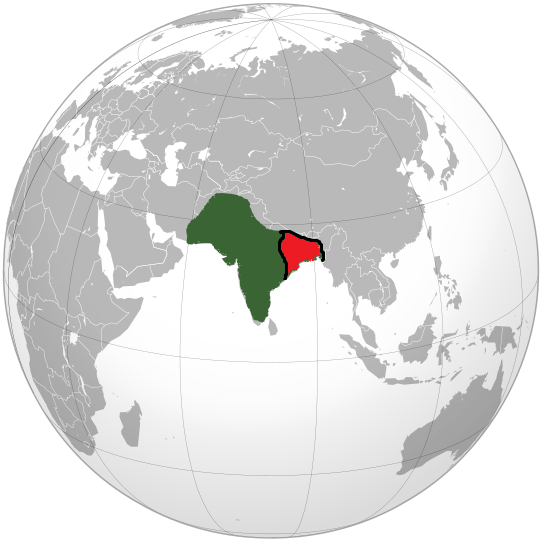


Geography and administration
Bengal's low-lying delta, fed by the Ganges, Brahmaputra and their tributaries, supported intensive agriculture and a dense settlement pattern. Administratively the province was a subah governed by a subahdar (provincial governor) appointed by the imperial court. The province was further divided into sarkars and parganas, where local officials and landholders collected revenue, administered justice and organised defence. A mix of imperial officers, local zamindars and revenue farmers managed day-to-day affairs; Persianate bureaucratic practices shaped court culture and record-keeping.
History and political development
Bengal had a complex political history before and during Mughal rule, with local dynasties, sultanates and regional rulers interacting with imperial authority. Under the Mughals the province enjoyed a significant degree of economic integration and administrative consolidation, though local elites retained influence. Over time, changes in imperial strength, regional power struggles and the arrival of European trading companies altered the balance of authority in Bengal.
Economy and trade
The region became famous for high-quality textiles—especially very fine muslin and jamdani weaves—and for silk production. Shipbuilding, saltpetre used in gunpowder, agricultural commodities such as rice, and numerous artisanal goods added to its export base. Important river ports and coastal entrepôts connected Bengal to wider Indian Ocean and overland trade networks; merchants from Southeast Asia, the Middle East and later European trading companies frequented its markets. European powers established trading posts and factories in the 16th and 17th centuries, linking Bengal to global circuits of commerce.
Society and culture
Bengal under Mughal rule saw a blending of local and imperial cultures. Courtly patronage and urban prosperity supported architecture, crafts, manuscript production and literary activity in both Persian and local languages. Religious and social life involved interaction among Muslim, Hindu and other communities; Sufi networks, local bhakti movements and traditional scholastic institutions contributed to a plural cultural landscape. Dense towns and craft quarters sustained specialised guilds of weavers, metalworkers, potters and shipwrights.
Decline, transition and legacy
From the late 17th into the 18th century, Bengal experienced political and economic shifts: weakening central control, intensified competition among regional powers and the growing commercial and military presence of European companies. These processes changed patterns of taxation, trade and land control and eventually contributed to the emergence of colonial rule. The material and institutional legacies of the Bengal Subah—its urban centres, craft traditions, legal practices and patterns of landholding—influenced the later histories of the modern states that emerged in the region.
Notable facts
- Economically, Bengal was long regarded as one of the wealthiest provinces of South Asia in the early modern period, driven by agriculture and high-value manufactures.
- Its textile crafts, especially muslin and jamdani, were prized in regional and global markets and helped shape early global trade links.
- Bengal's ports and shipbuilding industries linked the province to the wider Indian Ocean world and to European trading networks.
Today, scholars study the Bengal Subah to understand early modern state formation, tropical agrarian economies, and the social history of urban and artisanal life in South Asia. Its history remains a key reference point for the cultural and political development of present-day Bangladesh and adjoining Indian states.
Related articles
Author
AlegsaOnline.com Bengal Subah (Mughal Bengal) Leandro Alegsa
URL: https://en.alegsaonline.com/art/10498
Sources
- britannica.com : "Dhaka - national capital, Bangladesh"
- britannica.com : "Rajmahal - India"
- books.google.com : "The Long Globalization and Textile Producers in India"