
Benguela, Angola: Coastal Port City and Provincial Capital
Benguela is a coastal city and capital of Benguela Province in western Angola, known for its historic Atlantic port, fishing and trade economy, transport links to the interior, and visible Portuguese colonial heritage.
Benguela, historically known as São Felipe de Benguela and sometimes spelled Benguella, is a coastal city in western Angola. It serves as the administrative center of Benguela Province and ranks among the country’s principal urban centers.
Image gallery
10 Images






Overview
The city lies on the Atlantic coast and functions as a regional hub for government, commerce and fishing. Its port and shoreline have shaped local livelihoods for centuries, and Benguela remains an important point of departure for goods and people moving between the coastal zone and Angola’s interior.
History
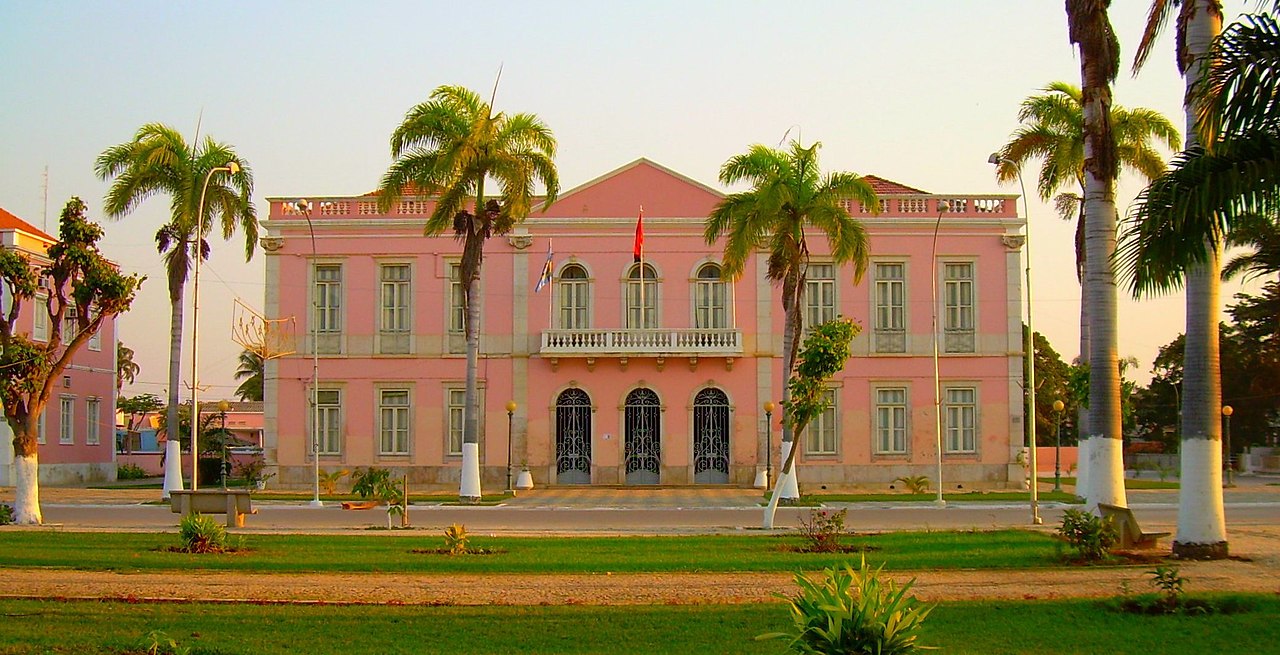
Benguela was established by Portuguese settlers in the early 17th century as São Felipe de Benguela. Over time it became integrated into colonial trade networks and later developed as a center for coastal commerce. The city’s historical role and urban fabric reflect layers of Portuguese colonial influence alongside post‑independence growth and redevelopment.
Economy and transport
The local economy is based on port activities, fishing, small‑scale industry and services. Road connections link Benguela to neighboring towns and inland provinces, while nearby rail and port facilities on the coast support regional trade. Economic activity has expanded and contracted with national trends in infrastructure investment and commodity markets.
Climate and culture
Benguela’s coastal location and the influence of the cold Benguela Current produce relatively mild temperatures for a tropical latitude, with frequent coastal mist and limited rainfall compared with inland areas. The city has a mix of cultural influences visible in its architecture, markets and community life, and it is a focal point for provincial administration, education and cultural events.
Tags
Related articles
Author
AlegsaOnline.com Benguela, Angola: Coastal Port City and Provincial Capital Leandro Alegsa
URL: https://en.alegsaonline.com/art/10522