
War novel (military fiction)
A war novel is a work of fiction in which armed conflict shapes the plot, characters, and themes. It explores combat, the home front, moral dilemmas, and the human effects of war.
Overview
A war novel is a narrative in which armed conflict — its preparation, conduct, aftermath, or social consequences — is central to the story. Also known as military fiction, the genre can range from frontline accounts of combat to stories set on the home front, dealing with logistics, politics, or recovery after fighting ends. Many war novels focus on the lived experience of soldiers, civilians, or both, using combat as a backdrop for broader commentary about society, duty, and human nature. For a general definition and context see further reading.
Image gallery
6 Images


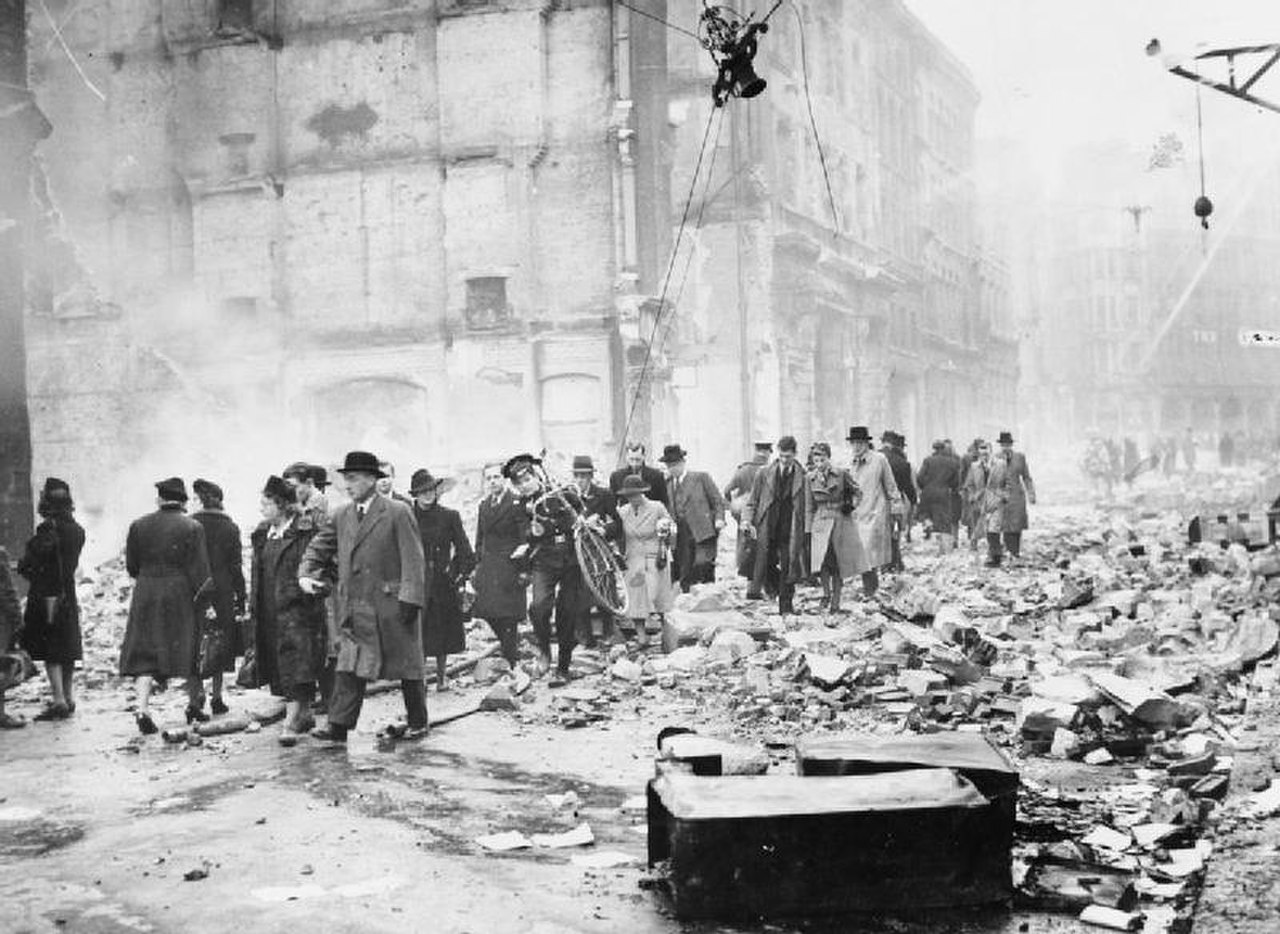


Common characteristics
War novels often share several traits, though they vary widely in tone and purpose. Typical features include:
- Setting: battlefields, camps, hospitals, cities under siege, or domestic spaces affected by conflict.
- Perspective: first-person memoir-style accounts, third-person panoramas, or ensemble casts that show multiple viewpoints.
- Themes: survival, camaraderie, leadership, trauma, morality, and the absurdity or bureaucracy of war.
- Detail: technical descriptions of tactics and equipment may appear alongside psychological realism.
History and development
The war novel has roots in ancient and early modern literature but became a distinct popular and critical form in the 19th and 20th centuries as modern warfare transformed societies. Novels such as War and Peace and later 20th-century works brought large-scale military events into the novelistic imagination, while the World Wars produced many firsthand and fictionalized accounts that shaped public perception. For historical surveys and examples, consult scholarly resources.
Themes, functions, and importance
Beyond entertainment, war novels serve several functions: they can memorialize, criticize policy, explore ethical questions about violence, or provide psychological insight into trauma. Readers encounter the human cost of conflict, the erosion or affirmation of values, and the complex logistics that underpin combat. Educators and historians sometimes use well-researched fiction to illustrate lived experience, though fictional narratives are not substitutes for primary historical documents. For guidance on interpretation see guidelines and analyses.
Subgenres and related forms
Within the broad label of war novel there are subgenres such as historical war fiction, contemporary military thrillers, antiwar novels, and speculative or alternate-history war stories. Some works emphasize realism and historical accuracy; others prioritize moral allegory or action-driven plots. Readers often compare military fiction with memoirs, reportage, and film adaptations, each offering different angles on the same events. Additional resources and bibliographies are available at further resources.
Notable war novels are widely read and debated because they shape collective memory and cultural responses to conflict. Whether written by veterans, journalists, or novelists, these books continue to examine how societies wage war and how individuals survive its consequences.
Questions and answers
Q: What is a war novel?
A: A war novel is a type of novel where the primary action takes place during armed combat, and it can also take place on the home front.
Q: Where does a war novel take place?
A: A war novel takes place during some form of fighting, be it on the battlefield or on the home front.
Q: What is the primary action in a war novel?
A: The primary action in a war novel is armed combat, although it may also include preparation and recovery from battles.
Q: What is another name for a war novel?
A: Another name for a war novel is military fiction.
Q: What happens in war novels that take place on the home front?
A: In war novels that take place on the home front, the characters may be busy getting ready for war or recovering from the effects of the conflict.
Q: Can a war novel take place entirely on the home front?
A: Yes, a war novel can take place entirely on the home front and focus on the preparation and aftermath of the war rather than the actual fighting.
Q: How is a war novel different from other types of novels?
A: A war novel is different from other types of novels in that it specifically focuses on the effects of war and conflict on the characters and the world around them.
Related articles
Author
AlegsaOnline.com War novel (military fiction) Leandro Alegsa
URL: https://en.alegsaonline.com/art/106493