
Vitruvius: Roman architect, engineer and author of De architectura
Vitruvius, active in the 1st century BC, wrote the ten‑book De architectura, a practical treatise on building, machines, materials and urban planning that influenced Renaissance and modern architecture.
Overview
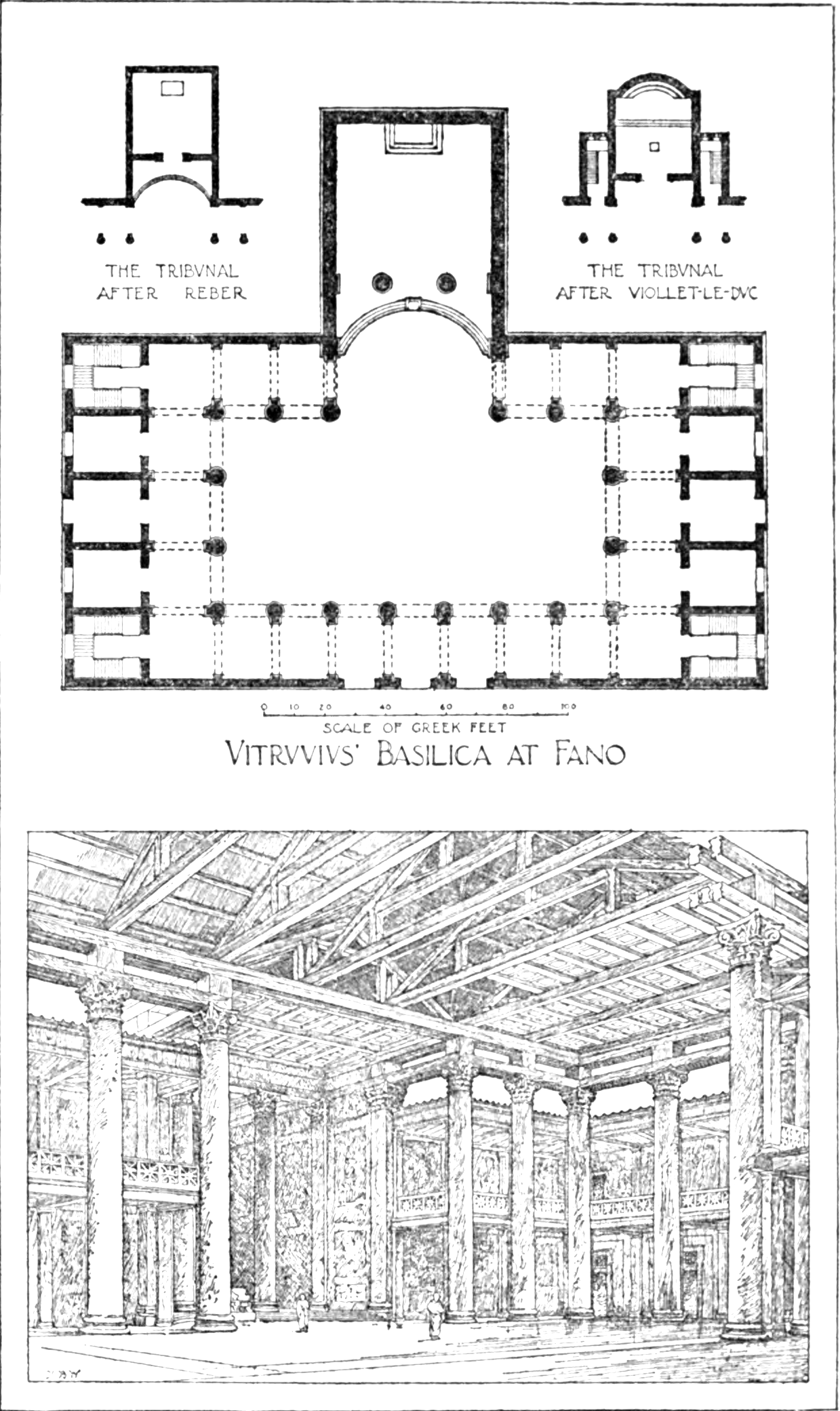
Vitruvius (probably Marcus Vitruvius Pollio) was a Roman architect and engineer who lived in the 1st century BC. Exact details of his name and dates are uncertain; he was likely born in Campania and is conventionally thought to have lived from the late 1st century BC and to have died after 15 BC. His reputation rests chiefly on a single surviving work, the ten‑book treatise De architectura, which records practical knowledge and theoretical ideas about building and related arts.
Image gallery
10 Images



Contents and subjects
De architectura is organized into ten books that together survey the theory and practice of construction as Vitruvius knew it. The treatise mixes hands‑on instructions with historical and philosophical remarks, addressing everything from raw materials to complete urban layouts. It is the most complete source for Roman architectural technology that survives from antiquity.
Topics covered
- Building materials and construction techniques (stone, brick, concrete and mortars)
- Design and proportions for temples, public buildings and private houses
- City planning, streets, aqueducts and water supply
- Machines, tools and engineering devices for construction and warfare
- Clocks, sundials, acoustics and surveying instruments
Principles and influence
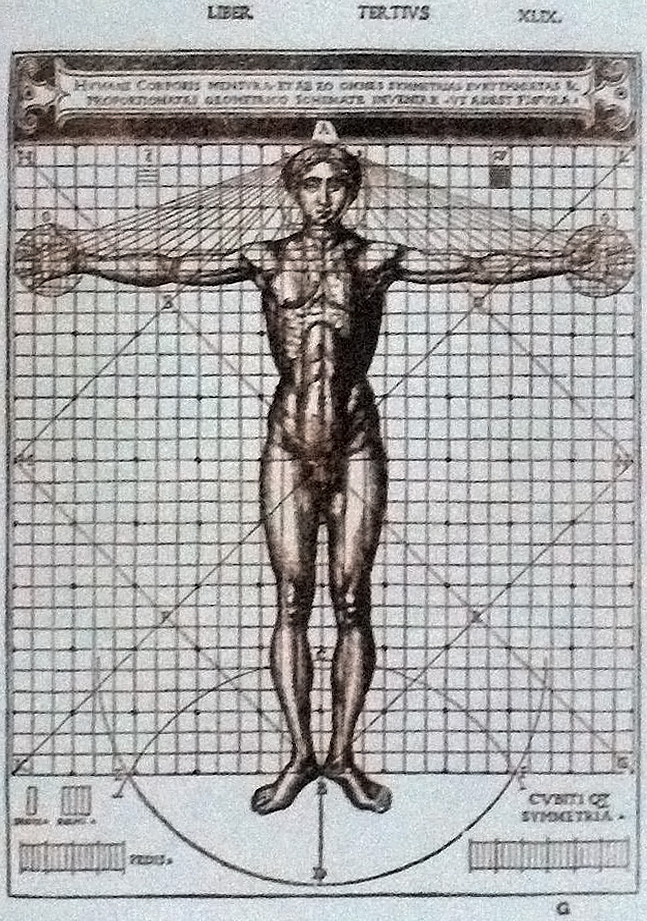
Vitruvius set out three enduring principles for good architecture: strength (firmitas), utility (utilitas) and beauty (venustas). He argued that human proportions and natural order should guide architectural proportion, an idea later immortalized in Renaissance art and studies of the "Vitruvian" ideal. His text was rediscovered and studied intensively during the Renaissance and had a profound influence on architects such as Alberti and Palladio and on visual artists exploring human proportion.
Life, method and legacy
Little is known of Vitruvius's personal life beyond hints in his book: he appears to have been trained in practical engineering, probably serving with Roman armies and later advising on civil projects in Rome. His method blends empirical observation, technical instruction and quotations of earlier authorities. Because De architectura survived through medieval copies and later translations, it became a key conduit for classical building knowledge into modern architectural theory and practice.
Notable facts
Vitruvius is important both as a technical manual and as a theoretical source. His discussions of materials such as lime and pozzolana and of machines and hydraulics are valuable to historians of technology. He is also associated with the broader study of proportion in art and architecture and with the cultural transmission that linked ancient Roman practice to later European traditions. His probable birthplace in Campania and the exact form of his name remain matters of scholarly caution, but his single surviving treatise secures his place in architectural history.
Related articles
Author
AlegsaOnline.com Vitruvius: Roman architect, engineer and author of De architectura Leandro Alegsa
URL: https://en.alegsaonline.com/art/105673