
Vaupés River (Rio Uaupés) — Amazon tributary on the Colombia–Brazil border
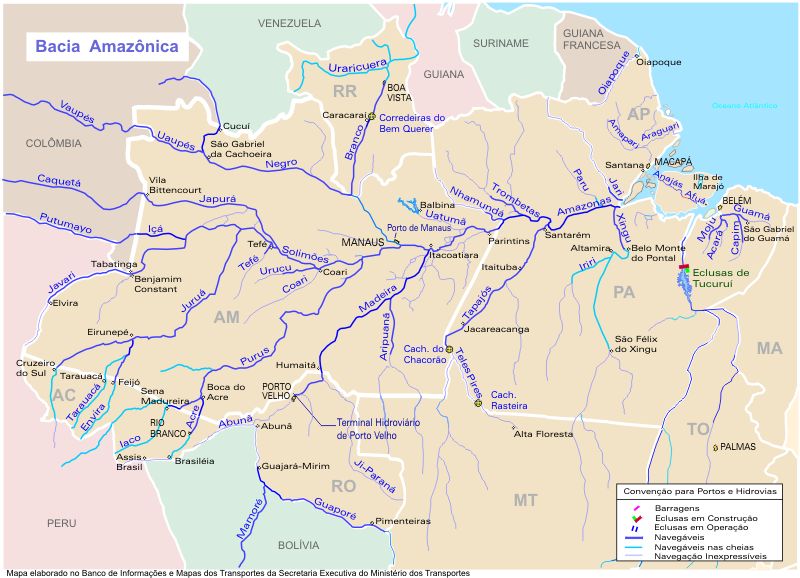
The Vaupés (Rio Uaupés or Rio Uaupes) rises in Colombia and flows east into Brazil, joining the Papurí and ultimately feeding the Rio Negro; important for Amazon ecology and indigenous communities.
Overview
The Vaupés River, often spelled Rio Uaupés or Rio Uaupes, is a major Amazonian river that begins in southern Colombia and flows eastward toward the Brazilian border. In its lower reaches it meets the Papurí River in Brazil and the combined watercourse continues under the name Uaupés before joining larger tributaries of the Rio Negro system. The river is notable both for its remote rainforest setting and for marking part of the international boundary between Colombia and Brazil.
Image gallery
3 Images

Physical characteristics
The Vaupés drains a rainforest basin characterized by meandering channels, seasonally flooded forests and a network of smaller tributaries. Its course includes stretches with rapids and shallower gravel or rocky sections that interrupt long-distance navigation. Seasonal rise and fall of water levels reshape floodplain habitats and drive local ecological cycles.
Key features
- Upper course: upland streams and clear-water tributaries.
- Middle and lower course: broader channels, floodplains and várzea forests.
- Navigation: locally important for canoes and small boats; portions are limited by rapids.
- Naming: known by several spellings in Spanish and Portuguese (Vaupés, Uaupés, Uaupes).
The river basin hosts high biological diversity typical of the western Amazon, including numerous fish species, aquatic mammals and diverse riparian plants. Seasonal floods create productive feeding grounds and breeding sites for wildlife.
Cultural and historical context
Human presence along the Vaupés dates back millennia. Numerous indigenous peoples live in the basin and rely on the river for transport, food and cultural practices. Historically the river served as a natural corridor linking communities and as a boundary in treaties and local agreements between Colombia and Brazil.
Uses, threats and conservation
Local economies depend on fishing, small-scale agriculture, and riverine transport. The remoteness of much of the basin has limited large-scale development, but pressures such as deforestation, unregulated resource extraction and contamination from mining and other activities pose risks to water quality and traditional livelihoods. Conservation initiatives typically focus on protecting indigenous territories, maintaining aquatic connectivity and preserving the surrounding rainforest.
As part of the greater Rio Negro–Amazon network, the Vaupés plays a regional role in hydrology, biodiversity and cultural continuity across national borders.
Related articles
Author
AlegsaOnline.com Vaupés River (Rio Uaupés) — Amazon tributary on the Colombia–Brazil border Leandro Alegsa
URL: https://en.alegsaonline.com/art/104394
Sources
- fao.org : The Inland waters of Latin America · web.archive.org
- tools.wmflabs.org : 0°02′03″N 67°16′50″W / 0.0341833°N 67.2806°W / 0.0341833; -67.2806