
Vaucluse (French department)
Vaucluse is a department in southeastern France, in Provence-Alpes-Côte d'Azur. Noted for Avignon, the Fontaine-de-Vaucluse spring, Mont Ventoux, Luberon landscapes, agriculture and cultural heritage.
Overview
The Vaucluse is a department in the southeast of France, located within the Provence-Alpes-Côte d'Azur region. Administratively it is a department with its prefecture in Avignon, a city long associated with medieval history and the papacy. The name has an Occitan form, Vauclusa, still used in cultural and historical contexts.
Image gallery
10 Images






Geography and notable places
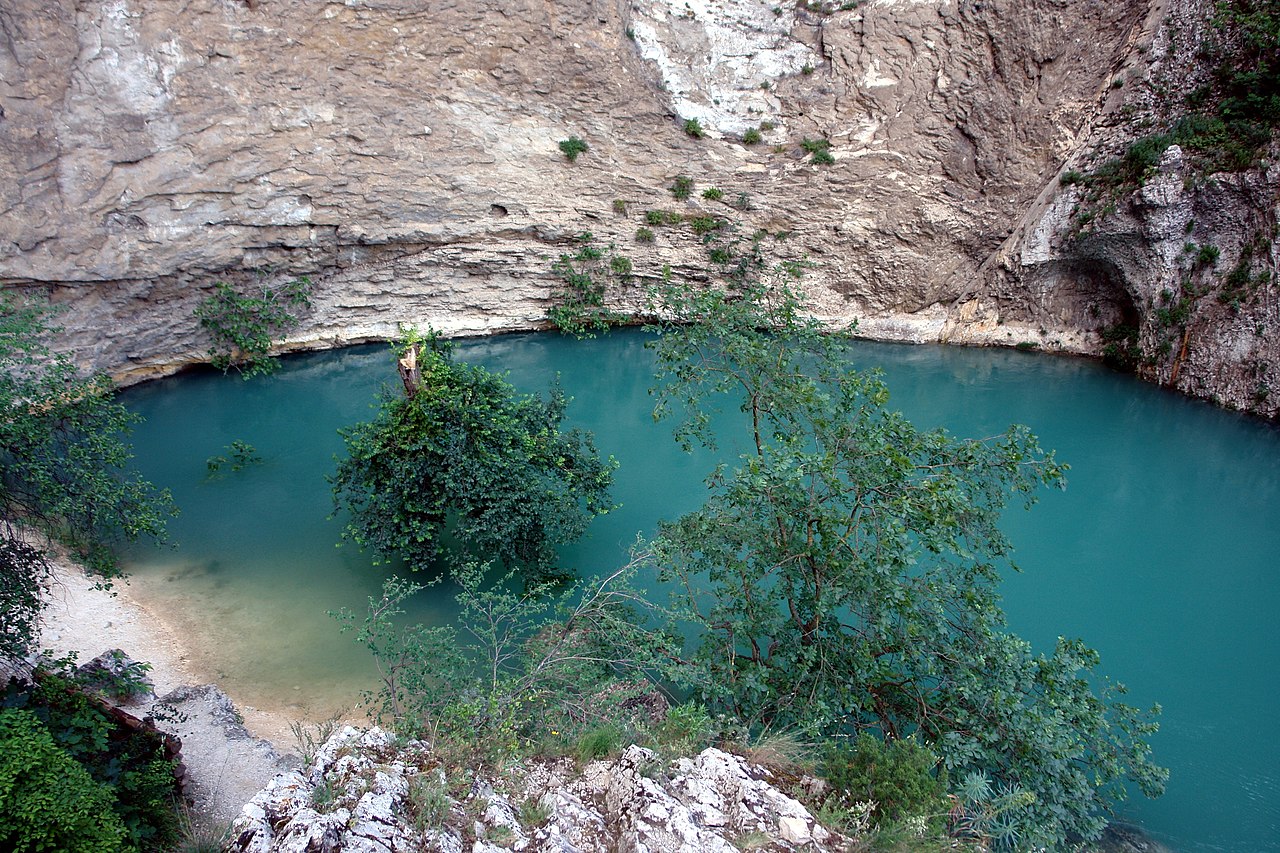
Vaucluse encompasses Mediterranean plains, limestone plateaus and isolated massifs. The department contains the Luberon range and the distinctive peak of Mont Ventoux, noted for its ecology and role in cycling. A defining natural landmark is the powerful karst spring at Fontaine-de-Vaucluse, which issues from a deep underground reservoir and gives the department its name. The spring itself is often referred to simply as a spring in guides and geological descriptions.
Name and origins
The name Vaucluse derives from the Latin phrase Vallis Clausa, meaning "closed valley." This reflects a valley that terminates dramatically at a steep rock face, from which the spring rises. The geological setting of an enclosed valley hemmed by a cliff is central to the place-name and to local landscape character. The spring and surrounding features lie within the small commune of Fontaine-de-Vaucluse, a traditional village built around the water source.
History and cultural importance
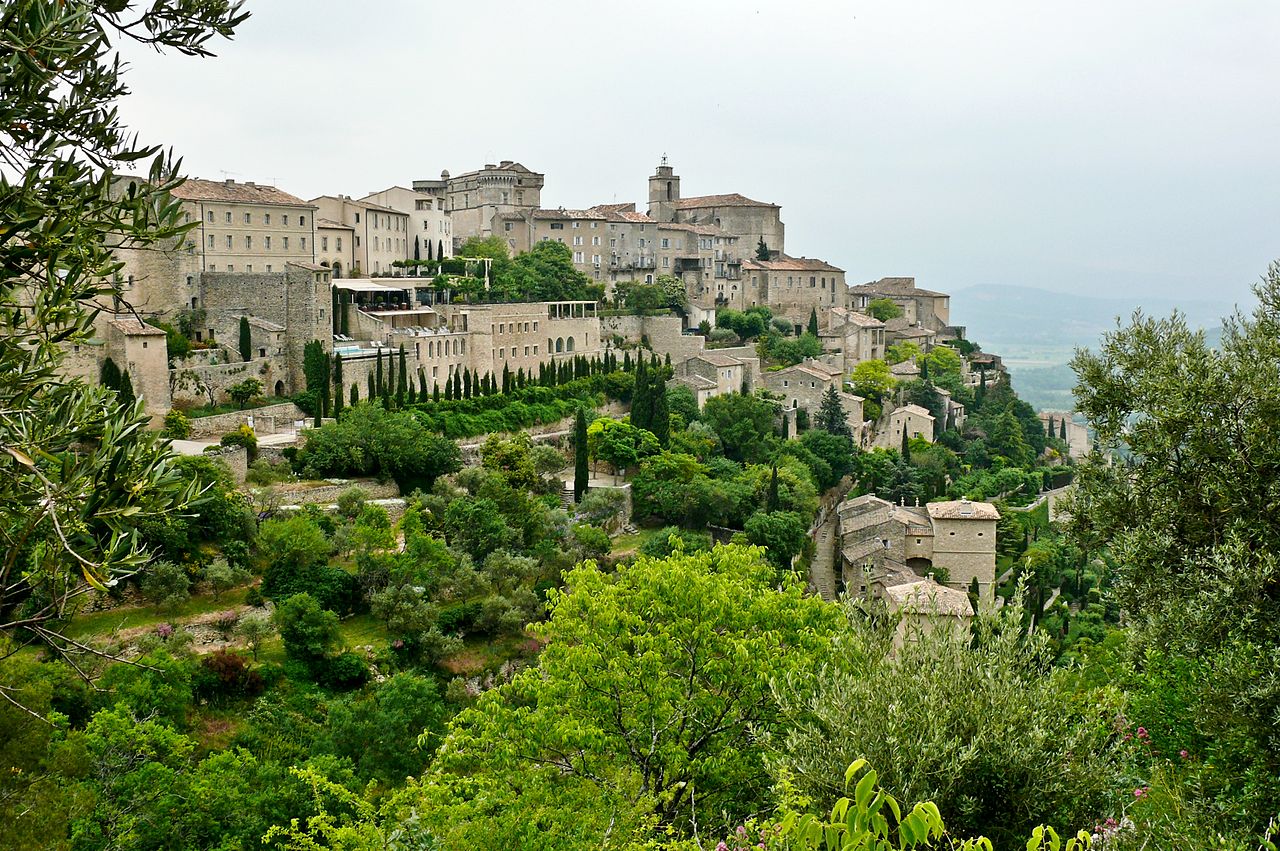
The territory of Vaucluse has layers of human history from Roman routes and rural settlements to medieval towns and the papal presence in Avignon. Avignon's historic centre and the Palais des Papes are important cultural landmarks that draw study and tourism. The department has preserved Provençal traditions in language, crafts and festivals; local identities often combine rural heritage with the influence of historic towns.
Economy, agriculture and tourism
Economic activity in Vaucluse blends agriculture—vineyards, fruit and olive production, aromatic plants and truffle cultivation—with services and tourism. Rural markets, wineries and food producers form a visible part of the economy; visitors are attracted by heritage sites, cultural events and outdoor recreation in the Luberon and on the slopes of Mont Ventoux. Smaller communes offer artisanal crafts and local gastronomy that complement larger cultural draws.
Administration, transport and demography
Avignon serves as the prefectural seat and administrative hub; the term prefecture is commonly used in French administrative descriptions. The department is subdivided into arrondissements and communes, and it is connected by regional roads and rail links that support both local mobility and visitor access. Population patterns combine urban concentrations in historic towns with sparsely populated rural areas and agricultural land.
Environment, protected areas and recreation
Vaucluse includes protected landscapes, nature reserves and sites of geological interest. Mont Ventoux supports unique alpine and Mediterranean habitats while the Luberon is noted for biodiversity and scenic villages. Visitors and residents make use of hiking routes, cycling stages and river valleys for outdoor recreation; conservation efforts seek to balance tourism with habitat protection.
Notable towns and travel notes
- Avignon – historic centre, festivals and the papal palace.
- Fontaine-de-Vaucluse – the karst spring and village built around it.
- Other towns and villages around the valley and plateaus offer markets, crafts and regional cuisine.
Vaucluse combines a distinctive geological origin, layered history and active cultural life, making it a frequently visited part of southern France for both heritage tourism and outdoor pursuits. For introductions to specific sites, maps and local services see regional guides and official sources that cover transport, conservation and visitor information.
Questions and answers
Q: What region is the Vaucluse department in?
A: The Vaucluse department is located in the Provence-Alpes-Côte d'Azur region of southeast France.
Q: What is the prefecture of the Vaucluse department?
A: The prefecture of the Vaucluse department is Avignon.
Q: Where does the name "Vaucluse" come from?
A: The name "Vaucluse" comes from Latin Vallis Clausa, which translates to "closed valley". This refers to a cliff at the end of a valley where a spring rises.
Q: What commune does this famous spring belong to?
A: The famous spring belongs to the commune Fontaine-de-Vaucluse.
Q: How did Latin speakers refer to this area?
A: Latin speakers referred to this area as Vallis Clausa, meaning "closed valley".
Q: Why was it called a closed valley?
A: It was called a closed valley because there was a cliff at one end of the valley and no other way out.
Related articles
Author
AlegsaOnline.com Vaucluse (French department) Leandro Alegsa
URL: https://en.alegsaonline.com/art/104367
Sources
- vaucluse.fr : "Organigramme des élus"
- insee.fr : "Département du Vaucluse (84)"
- insee.fr : "Populations légales 2014 des départements et des collectivités d'outre-mer"
- splaf.free.fr : "Historique de Vaucluse"
- peakbagger.com : "Mont Ventoux"
- weatherbase.com : "Avignon, France - Köppen Climate Classification"
- insee.fr : "Département du Vaucluse (84)"
- insee.fr : "Régions, départements, arrondissements, cantons et communes"
- insee.fr : "Département du Vaucluse (84)"
- legifrance.gouv.fr : "Décret n° 2014-249 du 25 février 2014 portant délimitation des cantons dans le département de Vaucluse"
- habitants.fr : "Vaucluse"