
1634 (year)
Events and developments of the year 1634, including key episodes of the Thirty Years' War, the founding of Maryland in North America, and cultural and political context in mid-17th-century Europe.
1634 was a year marked by intense military, political and colonial activity in a world still reshaped by the conflicts and movements of the early modern period. In Europe the long-running Thirty Years' War continued to determine diplomatic alignments and military fortunes. Overseas, English colonists established one of the American mainland's early proprietary colonies. Cultural and intellectual life reflected Baroque tastes and the growing influence of scientific observation, even as political and religious struggles constrained many public figures.
Image gallery
8 Images




Major political and military events
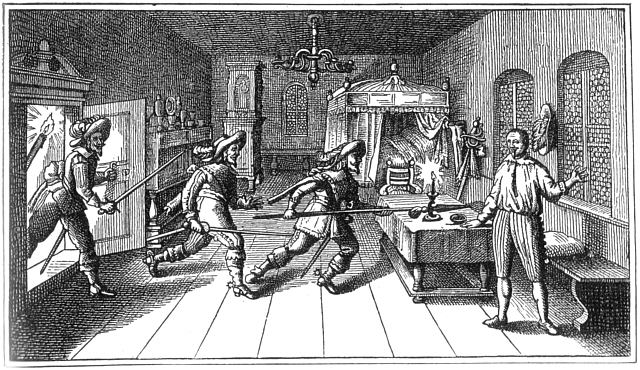
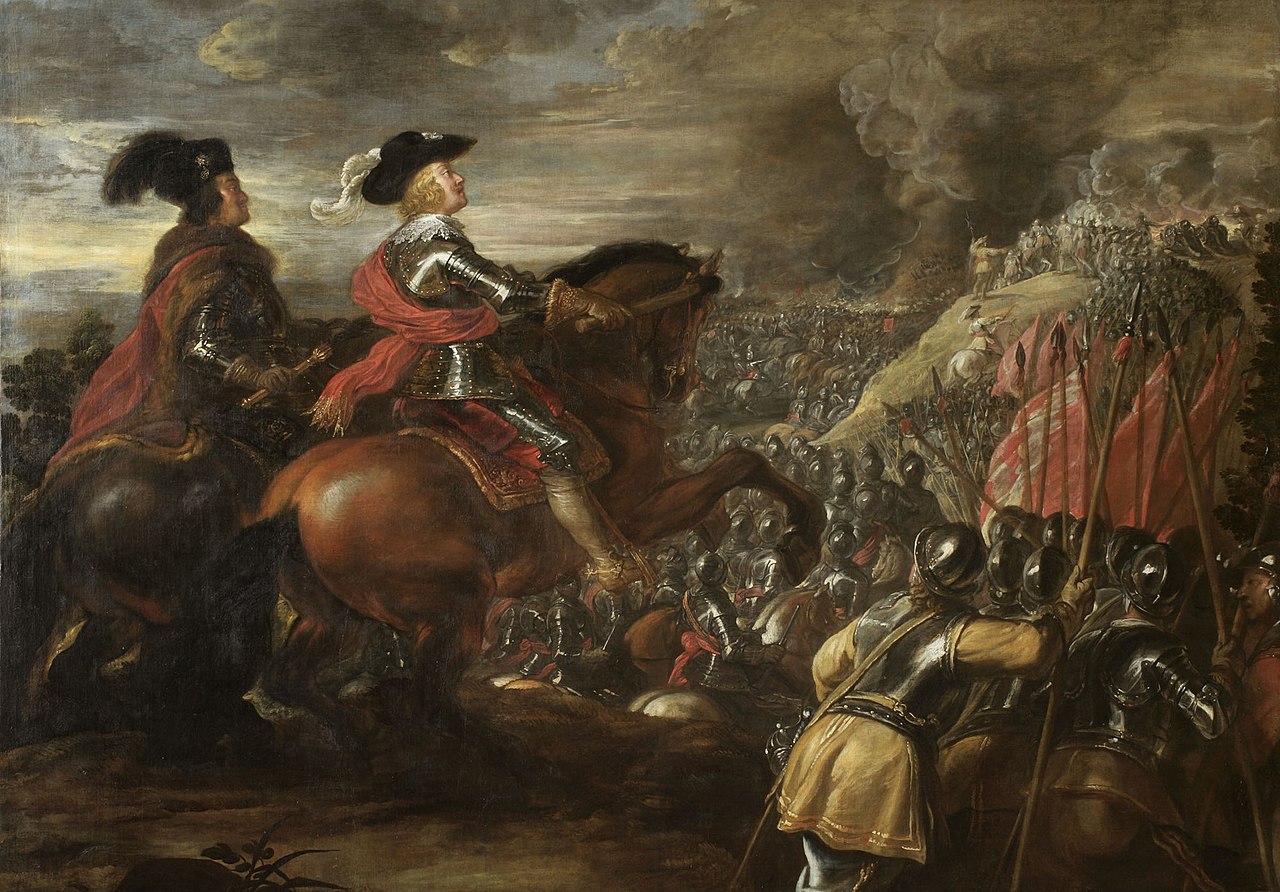
The year is best remembered for a pair of developments that changed the course of the Thirty Years' War. In late winter 1634 the Imperial general Albrecht von Wallenstein, once the most powerful military commander of the Habsburg monarchy, was removed from power and assassinated. Later in the year, on September 6, the Battle of Nördlingen produced a decisive Catholic victory over the Swedish and Protestant German forces. Taken together, these events weakened Protestant military influence in central Europe and helped restore the military initiative to the Habsburgs and their Spanish allies.
Colonial expansion and North America
Across the Atlantic, 1634 saw a notable moment in English colonization: a group of settlers sent by Lord Baltimore landed in the Chesapeake Bay region and established the colony of Maryland. The arrival of the ships Ark and Dove and the founding of settlements along the Potomac introduced a proprietary model of colonial government intended to provide a refuge for English Catholics while attracting Protestant settlers as well. Maryland's early laws and settlement patterns would shape its distinct social and religious character in the decades that followed.
Culture, ideas and society
The early 1630s belonged to the Baroque era in art, music and architecture; public performance, devotional art, and elaborate court culture flourished where political stability allowed. Scientific inquiry continued to gain ground: prominent figures who had recently faced controversy for new ideas—most famously Galileo, judged in 1633—remained influential in shaping observational and experimental approaches, even under varying degrees of censure. Throughout Europe, printing and the movement of diplomats, soldiers and merchants helped spread news, fashions and practical knowledge despite wartime disruption.
Significance and legacy
Events of 1634 contributed to a longer process of realignment in European politics and in overseas colonization. The military reverses for Protestant forces in Germany forced new diplomatic strategies that would culminate in later peace negotiations, while the establishment of Maryland added a lasting colonial polity to the English Atlantic world. The year's combination of warfare, settlement and cultural activity illustrates the intertwined military, religious and imperial dynamics of mid-17th-century history.
Selected events and personages
- February 1634: Removal and assassination of Albrecht von Wallenstein, commander of the Imperial armies.
- March 1634: Landing of settlers who established the colony of Maryland in the Chesapeake region.
- September 6, 1634: Battle of Nördlingen—major Catholic victory in the Thirty Years' War.
These items capture some of the year's most consequential developments, though 1634 also saw countless local actions, legal measures, and cultural moments that affected communities across Europe and beyond.
Related articles
Author
AlegsaOnline.com 1634 (year) Leandro Alegsa
URL: https://en.alegsaonline.com/art/111570