
Vasily Smyslov — Soviet World Chess Champion and Endgame Master
Vasily Smyslov (1921–2010) was a Soviet-Russian chess grandmaster, World Champion 1957–58, celebrated for technical skill, endgame mastery, longevity, and musical talent.
Overview
Vasily Vasilyevich Smyslov (24 March 1921 – 27 March 2010) was a leading Soviet chess player of the mid-20th century who became World Champion in 1957. Prize-winning at national and international events for decades, Smyslov combined deep positional understanding with a reputation for near-perfect technique in the endgame. Beyond the board he was known for his cultured presence and a concert-level baritone voice.
Image gallery
7 Images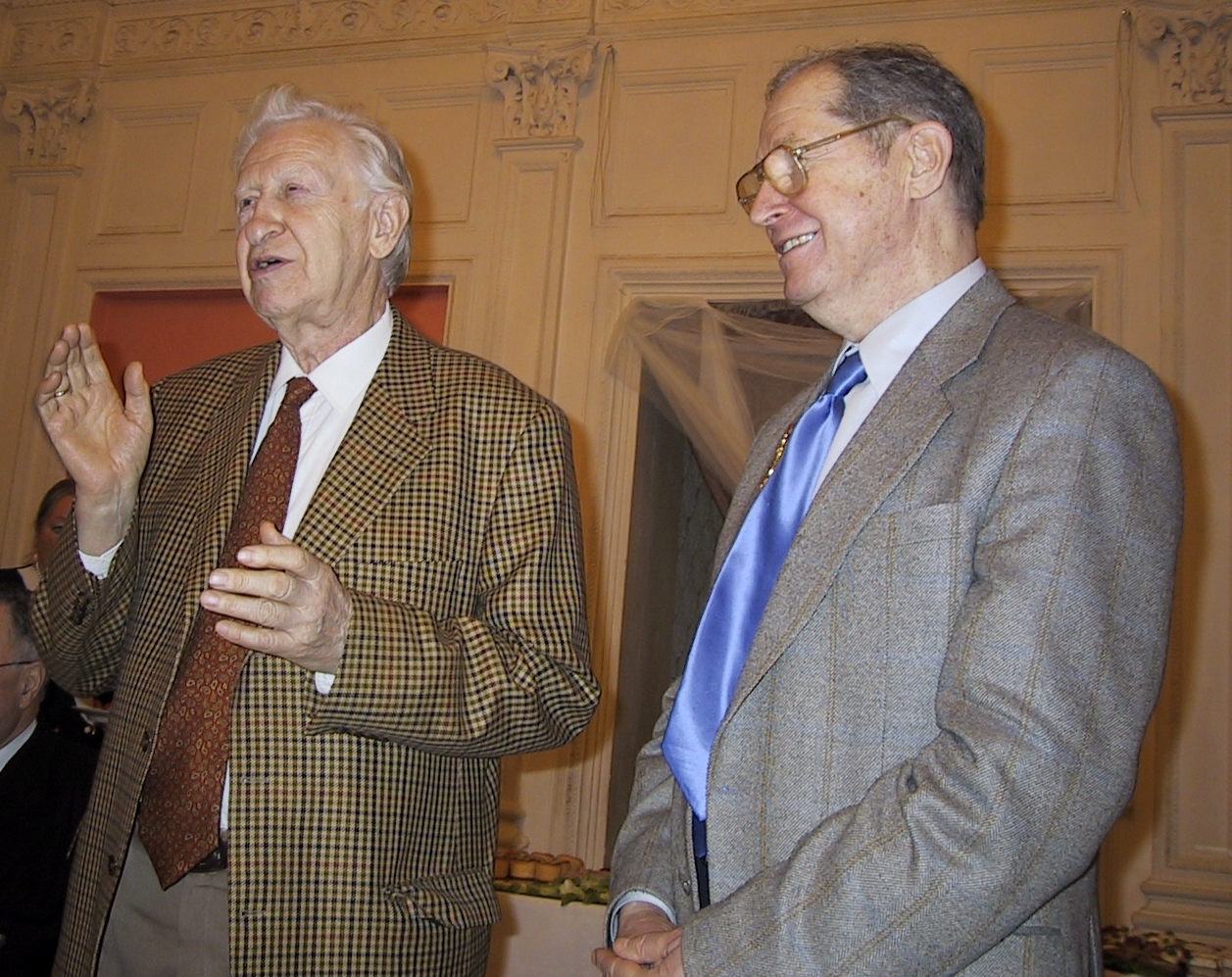


Playing style and contributions
Smyslov’s style is widely described as harmonious and classical: he favored piece coordination, subtle positional manoeuvring and impeccable endgame play. He made important theoretical contributions to opening practice and has several variations that bear his name. Analysts and students highlight his sense of equilibrium in complex middlegame positions and his ability to convert small advantages in simplified positions. His games are often cited in instruction on technique and practical endgame method.
Career highlights
Smyslov was a frequent contender at the highest level. He earned the title of grandmaster and represented the Soviet Union repeatedly in team and individual competitions. He was one of five players invited to the 1948 tournament that selected a successor to the late Alexander Alekhine, where his strong result silenced early doubts about his inclusion. His international tournament wins and match results established him as a regular challenger for the world crown.
- World Championship cycle participant (Candidate stages): 1948, 1950, 1953, 1956, 1959, 1965, 1983, 1985.
- World Championship matches vs Mikhail Botvinnik: drew 1954, won 1957 (became World Champion), lost the 1958 return match.
- Soviet Champion (tied for first) in 1949 and 1955; long-standing Olympiad and team event success.
Records and later life
Smyslov amassed a record number of medals at team competitions, including a remarkable total of 17 medals in Chess Olympiads, a mark often cited when discussing team-event longevity. In European Team Championships he won multiple golds, both individual and team. He remained an active tournament player into the 1970s and qualified for Candidates' events as late as the 1980s, illustrating an unusually long competitive career. In 1991 he won the inaugural World Senior Chess Championship and he formally retired from serious competition in 2001. He died in 2010, leaving a rich legacy of instructive games and annotated collections.
Legacy and other pursuits
Smyslov’s influence extends beyond results. His games are featured in many instructional works for their exemplary technique. He contributed articles and annotations that helped transmit mid-20th-century Soviet school practice to later generations. Outside chess he was an accomplished singer: at major events he and colleagues—such as a fellow grandmaster who performed at the piano—often gave evening recitals, combining musical performance with tournament life. His career is remembered for both competitive achievement and cultured temperament.
Notable facts
Smyslov’s career intersected with many chess luminaries: he competed in the post-Alekhine reorganization of the world title, contested three matches with Mikhail Botvinnik, and received public tributes from later champions such as Anatoly Karpov. His name appears in opening theory and historical accounts; references to his life and games can be found in general chess histories and specialist studies. He played on and for national teams in many editions of the Chess Olympiad and other events, and his musical evenings with colleagues—one often on piano—were a noted feature of tournament culture. Contemporary readers can find collections of his best games and commentary in biographical and instructional sources about the World Championship era, on pages devoted to champions such as Alekhine, or in compendia that include his rivalries and matches recording recitals and events. For those researching Soviet chess, Smyslov’s career remains a central example of sustained excellence and artistic temperament; many overviews and specialized studies reference his practice and achievements as a grandmaster and his presence in the global chess community as a singer.
Questions and answers
Q: When did Vasily Smyslov become World Chess Champion?
A: Vasily Smyslov became World Chess Champion from 1957 to 1958.
Q: How many times was he a candidate for the World Chess Championship?
A: Vasily Smyslov was a candidate for the World Chess Championship on eight occasions (1948, 1950, 1953, 1956, 1959, 1965, 1983, and 1985).
Q: What tournament did he finish second in behind Mikhail Botvinnik?
A: He finished second behind Mikhail Botvinnik in the 1948 World Chess Championship tournament.
Q: How many medals did he win at the Chess Olympiad?
A: Vasily Smyslov won 17 medals at the Chess Olympiad - an all-time record.
Q: How many gold medals did he win in European Team Championships?
A: He won ten gold medals (team and individual) in five European Team Championships.
Q: In which year did he qualify for the finals of the World Championship Candidates' matches? A: He qualified for the finals of the World Championship Candidates' matches as late as 1983.
Q: When did Vasiliy win his first World Senior Chess Championship? A: Vasiliy won his first World Senior Chess Championship in 1991.
Related articles
Author
AlegsaOnline.com Vasily Smyslov — Soviet World Chess Champion and Endgame Master Leandro Alegsa
URL: https://en.alegsaonline.com/art/104320
Sources
- reuters.com : "Former world chess champion Smyslov dies at 89"