
Mikhail Botvinnik: Soviet World Chess Champion, Engineer, and Coach
Mikhail Botvinnik (1911–1995), Soviet Russian grandmaster, three‑time World Chess Champion, electrical engineer, architect of postwar championship cycles and mentor to Karpov, Kasparov and Kramnik.
Overview
Mikhail Botvinnik (17 August 1911 – 5 May 1995) was a Soviet Russian chess grandmaster best known for winning the World Chess Championship on three occasions and for shaping the structure of competitive chess in the Soviet era. Botvinnik combined high-level play with a parallel professional life as an electrical engineer and contributed to chess both as a competitor and as a theorist, trainer and organizer.
Image gallery
8 Images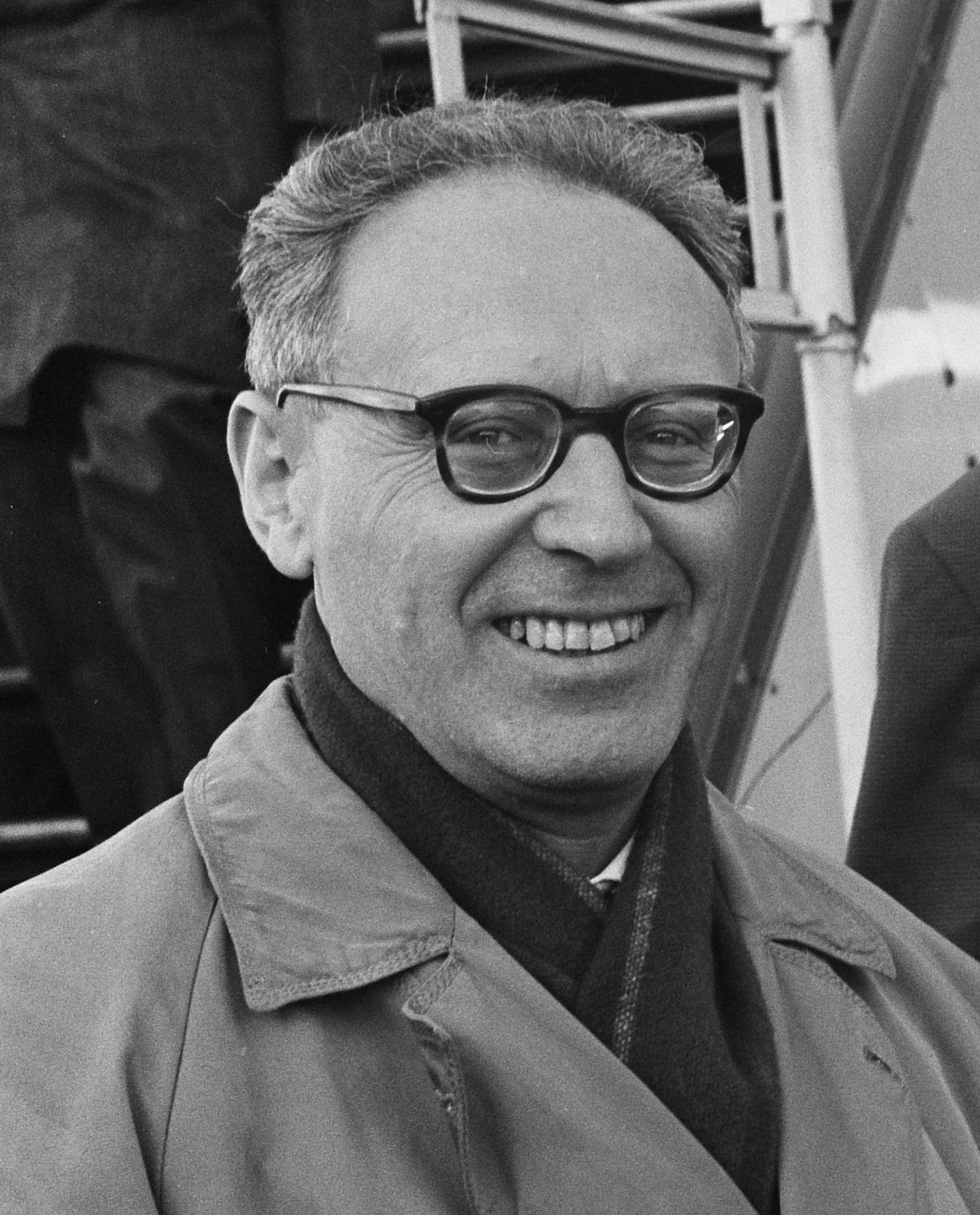
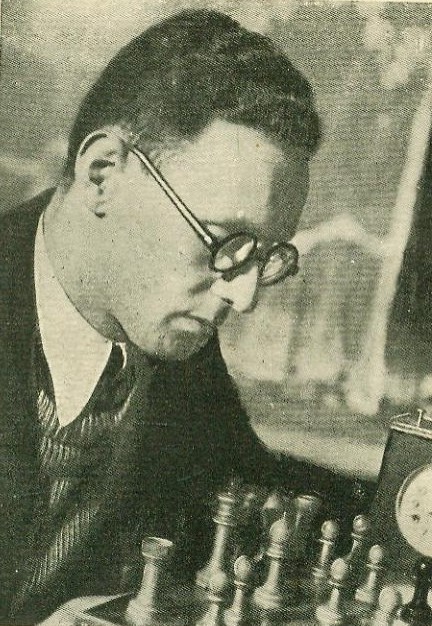
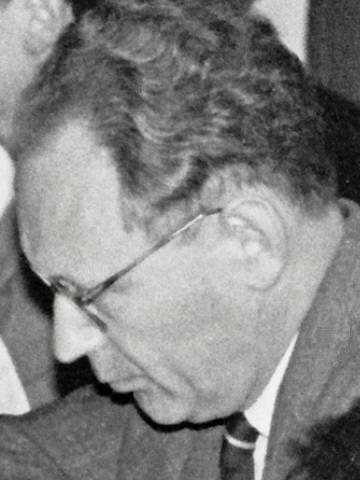


Characteristics and style
Botvinnik’s play is often described as scientific and systematic: he emphasized careful preparation, strategic planning and technical accuracy. He was a strong endgame technician and adapted well to positional play, while also preparing sharp opening lines and innovations. His approach reflected an engineer’s preference for analysis, long-term plans and a methodical pursuit of improvement.
Career and contributions
Rising to prominence before and after World War II, Botvinnik became the leading Soviet player and a focal point of Soviet chess development. He won the World Championship title multiple times and was a central figure in the postwar reorganization of the World Championship cycle—helping to establish systematic qualifying stages such as zonal and interzonal tournaments and Candidates matches that guided challengers to the title. These reforms standardized international competition and remained influential for decades. For biographical introductions and tournament records see Soviet chess histories and technical summaries of his career.
Engineering and parallel career
Unlike many top players who devoted themselves exclusively to chess, Botvinnik maintained a professional identity outside the game as an electrical engineer. He balanced research, teaching and engineering work with competitive play, exemplifying a dual career that was uncommon among world-class players. Contemporary accounts of his life and work provide context for how he combined scientific training with chess preparation; further details can be found in engineering biographies and retrospective studies on his technical career.
Coaching, pupils and legacy
After retiring from regular competition, Botvinnik focused on coaching and theoretical study. He ran a selective training school that produced several world champions and leading grandmasters. Notable pupils included Anatoly Karpov, Garry Kasparov and Vladimir Kramnik. His teaching emphasized opening preparation, analysis methods and a scientific approach to improvement. Botvinnik’s methods influenced generations of Soviet and international players and played a role in the professionalization of chess training.
Notable facts and distinctions
- Botvinnik was a three-time World Chess Champion and a dominant figure in Soviet chess after World War II.
- He helped design the formal World Championship qualifying system and contributed to opening theory and endgame technique.
- His hybrid career as a competitive grandmaster and an electrical engineer made him distinctive among elite players; further reading on his dual life is available in studies of the World Championship era.
Botvinnik’s influence extends beyond his tournament victories: through his writings, analyses and pupils he left a lasting imprint on modern chess practice and education. For summaries, game collections and detailed biographies consult general chess literature and archival resources accessible via institutional pages and curated databases on Soviet chess or specialized profiles on championship history.
See also: biographies of his students and collections of his games for practical illustrations of his style and method.
Questions and answers
Q: Who was Mikhail Botvinnik?
A: Mikhail Botvinnik was a Soviet Russian grandmaster and three-time World Chess Champion.
Q: What was Botvinnik's profession other than playing top-class competitive chess?
A: Botvinnik was an electrical engineer and one of the few chess masters who achieved distinction in another career.
Q: What was Botvinnik's contribution to Soviet chess?
A: Botvinnik was the first world-class player to develop within the Soviet Union, which put him under some political pressure but also gave him considerable influence within Soviet chess.
Q: In what way did Botvinnik influence the design of the World Chess Championship system after World War II?
A: Botvinnik played a major role in the design of the World Chess Championship system after World War II.
Q: Who were some of Botvinnik's pupils?
A: Botvinnik coached a few select pupils, including three future World Champions: Anatoly Karpov, Garry Kasparov, and Vladimir Kramnik.
Q: How many times did Botvinnik win the World Chess Championship?
A: Botvinnik won the World Chess Championship three times.
Q: When did Botvinnik pass away?
A: Botvinnik passed away on May 5, 1995.
Related articles
Author
AlegsaOnline.com Mikhail Botvinnik: Soviet World Chess Champion, Engineer, and Coach Leandro Alegsa
URL: https://en.alegsaonline.com/art/64863
Sources
- jewishgen.org : "Russian Jewish Encyclopedia"
- books.google.com : Lenin: a biography
- books.google.com : Revolution, repression, and revival
- chessmetrics.com : the Mikhail Botvinnik results file
- members.aol.com : "The Soviet Chess Championship 1920–1991" · web.archive.org
- chesshistory.com : "Interregnum"
- mark-weeks.com : "World Chess Championship: 1948 FIDE Title Tournament"
- mark-weeks.com : "World Chess Championship: 1951 Botvinnik–Bronstein Title Match"
- avlerchess.com : "USSR first entered Chess Olympiad 1952"
- mark-weeks.com : "World Chess Championship: 1954 Botvinnik–Smyslov Title Match"
- mark-weeks.com : "World Chess Championship: 1957 Smyslov–Botvinnik Title Match"
- mark-weeks.com : "World Chess Championship: 1958 Botvinnik–Smyslov Title Match"
- chess.co.uk : "Book Reviews by John Watson"
- mark-weeks.com : "World Chess Championship: 1960 Tal–Botvinnik Title Match"