
Vatroslav Mimica — Croatian film director and screenwriter
Vatroslav Mimica (1923–2020) was a prominent Croatian director and screenwriter known for his animated shorts and later psychologically and historically themed feature films across the mid-20th century.
Overview
Vatroslav Mimica (25 June 1923 – 15 February 2020) was a Croatian film director and screenwriter whose career spanned the early postwar decades through the late 20th century. Born in Omiš in what was then the Kingdom of Serbs, Croats and Slovenes, he began his professional life writing film criticism and moved into filmmaking in the 1950s. Over several decades he worked in animation and live-action cinema, earning recognition for both short films and feature-length works that often explored historical, social and psychological themes.
Image gallery
1 Image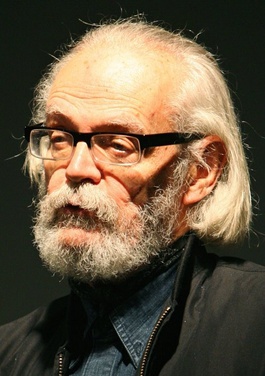
Career and artistic approach
Mimica’s early involvement in film criticism helped shape his intellectual approach to cinema; he was attentive to form as well as content. In the 1950s he became associated with the flourishing Croatian animation scene and produced a number of animated shorts that attracted attention for their visual inventiveness and narrative experimentation. Later he turned increasingly toward feature films, where he combined careful visual composition with interest in character psychology, moral complexity and broader historical settings. His films frequently balance realism with symbolic or allegorical elements.
Notable films
- The Jubilee of Mr Ikel (1955) — an early work from the 1950s.
- Suleiman the Conqueror (1961) — part of his move into more ambitious narratives.
- Prometheus of the Island (1964) and Monday or Tuesday (1966) — films that show his evolving style.
- Kaya (1967), An Event (1969), The Fed One (1970), The Macedonian Part of Hell (1971) — a series of films addressing varied social and historical subjects.
- Anno Domini 1573 (1975) — a historical drama reflecting his interest in past events.
- The Last Mission of Demolitions Man Cloud (1978) and The Falcon (1981) — among his later feature films; his active directing career is commonly noted as lasting from the 1950s into the early 1980s.
Legacy and influence
Mimica is remembered as an influential figure in Croatian and wider Yugoslav cinema for his versatility — moving between animation and live-action — and for films that engaged with national history, social issues and personal dilemmas. His work contributed to the development of a national film culture in the second half of the 20th century and served as a point of reference for younger filmmakers. While specifics about prizes and festival receptions varied by title, his films were shown at national festivals and contributed to critical conversations about form and content in regional cinema.
Distinctive qualities and reception
Critical commentary on Mimica’s films often highlights a careful visual style, a willingness to tackle complex themes, and a responsiveness to changing cinematic trends. His animated shorts are frequently noted for visual creativity and economy, while his feature films are remembered for narrative density and a sometimes somber tone. He worked during a period when filmmakers in the region were experimenting with both modernist and socially engaged modes of storytelling.
Further reading and records
Mimica passed away in Zagreb on 15 February 2020 at the age of 96. For basic biographical details and filmographies consult film archives and national cinema histories; some online resources and memorial notices provide overviews of his career. See career overview and credits and a contemporary notice of his death at obituary and local coverage for further information.
Related articles
Author
AlegsaOnline.com Vatroslav Mimica — Croatian film director and screenwriter Leandro Alegsa
URL: https://en.alegsaonline.com/art/104359
Sources
- kinoeye.org : "Kinoeye - Croatian film: Vatroslav Mimica interviewed"
- film.hr : "FILM.HR ::: Vatroslav Mimica"
- jutarnji.hr : OTIŠAO JE VELIKAN NAŠE KINEMATOGRAFIJE Preminuo doajen hrvatskog filma, redatelj, scenarist i producent Vatroslav Mimica