
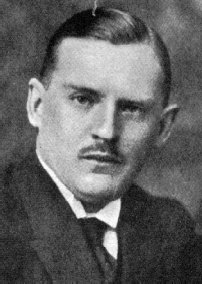
Alexander Alekhine (1892–1946)
Russian‑born chess grandmaster and the fourth World Chess Champion. Known for an aggressive, combinational style, Alekhine's Defense, influential game collections and major impact on 20th‑century chess.
Overview
Alexander Alekhine (31 October 1892 – 24 March 1946) was a leading chess grandmaster of the early 20th century and the fourth World Chess Champion. Born in the Russian Empire, he later acquired French nationality and spent much of his career competing internationally. Alekhine is remembered for his competitive achievements, original attacking play and for shaping modern opening and middlegame thought.
Image gallery
6 Images


Biography and career
Alekhine rose to prominence in top international tournaments in the 1910s and 1920s. He won the world title in 1927 by defeating José Raúl Capablanca, lost it to Max Euwe in 1935 and regained the championship in a 1937 rematch. He remained the titleholder until his death in 1946. Throughout his career he played and defeated many of the era's strongest players and continued to publish and analyse games while competing.
Playing style and contributions
Alekhine was renowned for a dynamic, tactical style that often provoked weaknesses and then exploited them with combinations. He contributed substantially to opening theory and practical play: the hypermodern reply known as Alekhine's Defense (1.e4 Nf6) remains associated with his name. He also produced deep analyses of middlegame themes and endgames, and many of his ideas are still studied by players seeking active, counterattacking plans.
Publications and legacy
Besides tournament play, Alekhine published collections of his best games and theoretical essays that influenced later generations. Titles collecting his games and annotations remain reference material for attacking play and opening study. His influence persists in opening repertoires, historical studies and in the continuing citation of his games in training literature.
Context and historical discussion
As with several prominent figures of his era, aspects of Alekhine's life during the wartime period have been the subject of historical research and debate. Scholars treat these topics cautiously, noting that accounts vary and further archival work has shaped understanding of that complex period.
Notable facts
- Fourth World Chess Champion, with title periods 1927–1935 and 1937–1946.
- Associated opening: Alekhine's Defense (1.e4 Nf6).
- Renowned for imaginative tactical play, deep analysis and influential game collections.
- Only world champion to die while holding the title.
Further reading
For an overview of the championship lineage and biographical summaries, see material on the World Chess Championship. Alekhine remains a central figure for students of aggressive, analytical chess and for those interested in opening theory and the history of competitive play.
Tags
Related articles
Author
AlegsaOnline.com Alexander Alekhine (1892–1946) Leandro Alegsa
URL: https://en.alegsaonline.com/art/2335
Sources
- commons.wikimedia.org : Alexander Alekhine
- geocities.com : Bill Wall: Alekhine's writings · webcitation.org