
Vasily Zaytsev, Soviet sniper and Stalingrad figure
Vasily Zaytsev (1915–1991) was a Soviet sniper famed for his role in the Battle of Stalingrad, credited with hundreds of kills, influential in sniper tactics and later memorialized in Soviet and popular culture.
Overview
Vasily Grigoryevich Zaytsev (23 March 1915 – 15 December 1991) was a Soviet military marksman who became widely known for his performance as a sniper during World War II. He gained prominence during the autumn and winter of 1942 at the Battle of Stalingrad, where his confirmed successes and public profile made him one of the most famous individual soldiers on the Eastern Front.
Image gallery
4 Images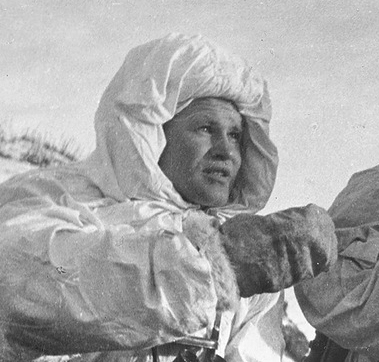

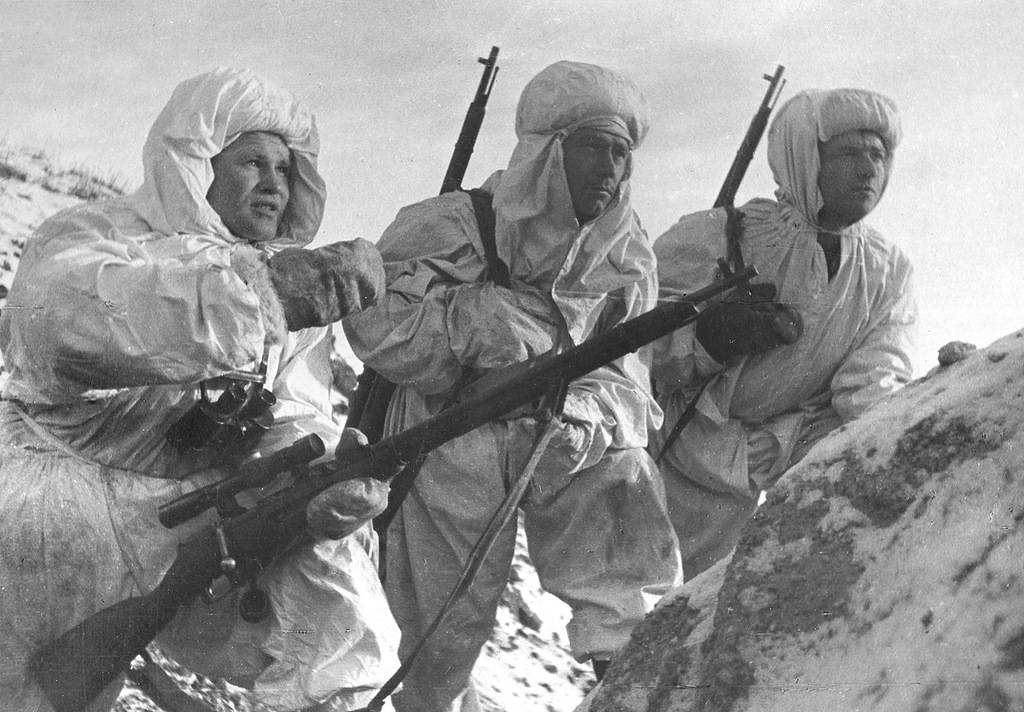

Combat record and verification
Contemporary Soviet records and later accounts credit Zaytsev with a large number of battlefield eliminations. Between 10 November and 17 December 1942 he is often cited as having killed 225 enemy soldiers and officers, including several opposing snipers. Prior to that period he had already accumulated dozens of confirmed kills, and for the span roughly from October 1942 to January 1943 his officially verified total is commonly reported as 242. Some wartime and postwar claims suggested still higher totals; historians treat those larger figures cautiously because wartime reporting and propaganda practices complicate exact accounting.
Weapons, methods and tactics
Zaytsev fought using the standard infantry sniper rifle of many Soviet sharpshooters of the period, the Mosin–Nagant fitted with a scope. His success reflected a combination of careful camouflage, patient concealment, observation, and precise marksmanship rather than any single technological advantage. He also emphasized teaching and organization: as fighting continued in urban Stalingrad, experienced marksmen like Zaytsev helped train other snipers and develop tactics for operating in ruined buildings, along riverbanks, and in narrow streets where concealment and entrapment were key.
Historical context and role at Stalingrad
The intense, close-quarters nature of the Stalingrad fighting created conditions where individual snipers could exert disproportionate influence on morale and small-unit actions. Soviet commanders used successful snipers in both practical and symbolic roles: as force multipliers on the front line and as subjects of wartime reportage. Zaytsev's exploits were publicized to demonstrate Soviet resilience against the Wehrmacht and Axis formations, and to encourage enlistment and training of additional marksmen.
Notable stories and later debate
Several dramatic episodes are associated with Zaytsev, including accounts of a high-profile duel with a German sniper sometimes named in later retellings. That particular story—immortalized and exaggerated in books and films—remains the subject of historical debate: archival evidence is incomplete and some scholars consider parts of the narrative to be wartime embellishment or later invention. Nevertheless, the story contributed to his reputation and to a broader interest in the role of snipers in modern warfare.
- Rank and awards: At Stalingrad he held the rank of junior lieutenant; in later years he received official Soviet recognition for his wartime service.
- Training contributions: Zaytsev helped instruct other marksmen, multiplying the tactical effect of sniping units in urban defense.
- Public image: His image was widely circulated in Soviet media and later became part of international popular culture through books and films.
Legacy and remembrance
Zaytsev survived the war and lived until 1991. He is remembered both for the concrete combat record recorded during one of the war's most crucial battles and for the symbolic role he played in wartime morale and postwar memory. His career illustrates how individual skill, local conditions, and mass communication combined to create wartime icons. For more general background on sniper doctrine and biographies of notable marksmen see publications and archives linked by historical institutions: biographical records, studies of sniper employment, and primary-source accounts from the World War II era. Additional analysis and debate about specific claims about duels and tallies appear in later historical reviews and documentary investigations (sniper studies, Stalingrad research).
For readers seeking detailed narratives and documentary material, useful entry points include military archives and curated collections of wartime photography and records (Axis and Soviet force histories, equipment and small arms references). These sources help separate contemporaneous reporting and propaganda from verifiable battlefield records while preserving an understanding of why figures like Zaytsev became enduring parts of wartime memory.
Questions and answers
Q: Who was Captain Vasily Grigoryevich Zaytsev?
A: Captain Vasily Grigoryevich Zaytsev was a Soviet sniper during World War II.
Q: What is he particularly notable for?
A: He is particularly notable for his activities between 10 November and 17 December 1942, during the Battle of Stalingrad.
Q: How many enemy soldiers did he kill?
A: He killed 225 soldiers and officers of the Wehrmacht and other Axis armies, including 11 enemy snipers. Before the 10th November, he had already killed 32 Axis soldiers with the standard Mosin-Nagant rifle. Between October 1942 and January 1943, Zaytsev had made 242 verified kills, but the real number may be much higher; some argue it might have been as many as 400.
Q: What was his military rank at that time?
A: His military rank at the time was Junior Lieutenant.
Q: When did he make his first kill?
A: He made his first kill before 10th November with a standard Mosin-Nagant rifle.
Q: How many verified kills did he make in total?
A: In total, he made 242 verified kills between October 1942 and January 1943.
Q: Is there any speculation on how many kills he actually made?
A: Some speculate that he may have actually killed up to 400 people in total.
Related articles
Author
AlegsaOnline.com Vasily Zaytsev, Soviet sniper and Stalingrad figure Leandro Alegsa
URL: https://en.alegsaonline.com/art/104322