
Vaquita (Phocoena sinus): the critically endangered porpoise of the Gulf of California
The vaquita is the world’s smallest porpoise, endemic to the northern Gulf of California. Critically Endangered, it faces catastrophic decline from gillnet bycatch and illegal totoaba fishing; urgent conservation remains underway.
Overview
The vaquita (Phocoena sinus) is a small porpoise species found only in the northern part of the Gulf of California. It is the smallest living cetacean and is widely recognized as one of the most endangered marine mammals on the planet. The International Union for Conservation of Nature lists the species as Critically Endangered. Its common name, vaquita, means "little cow" in Spanish, reflecting its modest size and shy behavior. For a general reference to the animal group, see porpoise.
Image gallery
6 Images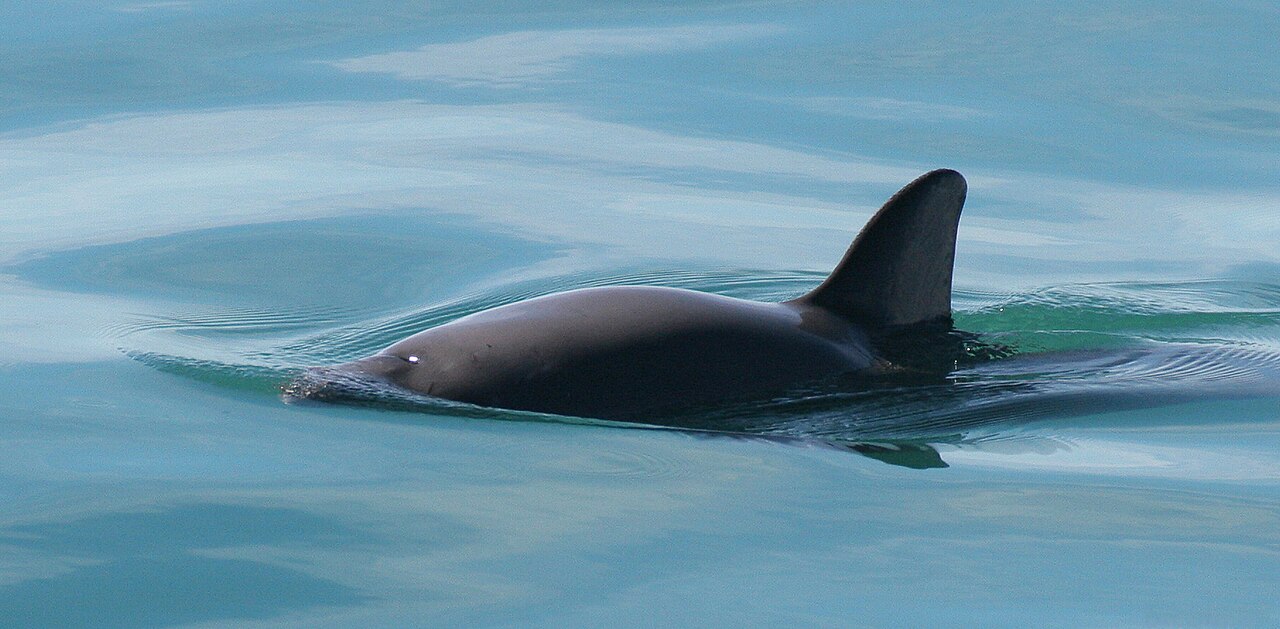



Physical characteristics and life history
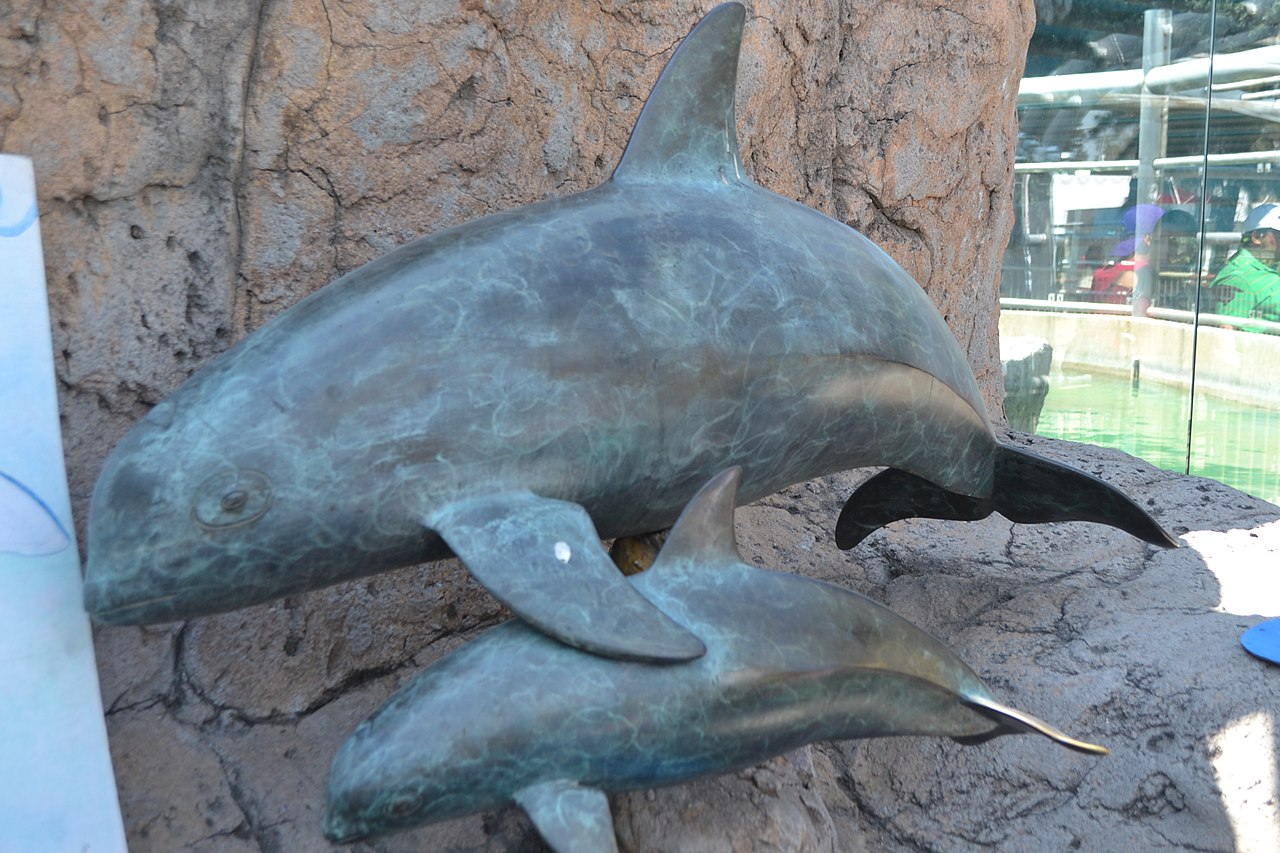
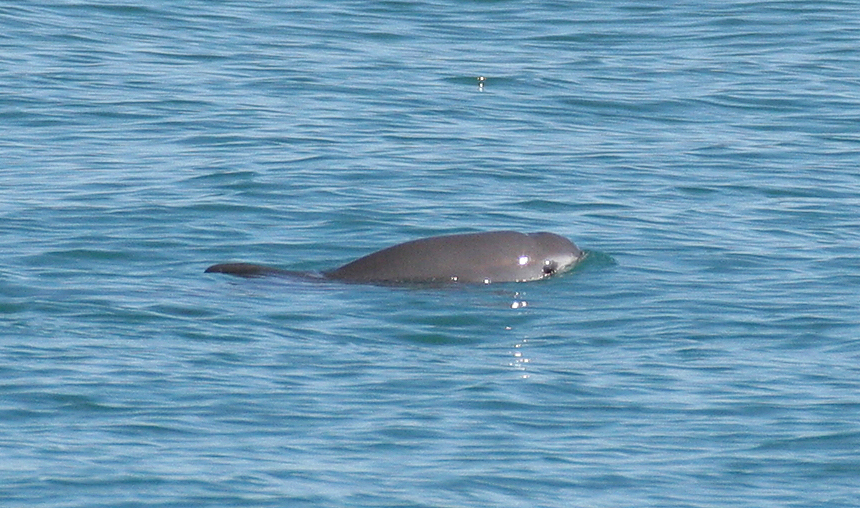
Vaquitas are compact, dark-gray cetaceans with distinctive facial markings: a dark patch around each eye and a dark line that curves from the mouth toward the pectoral fins. These markings help distinguish them from dolphins. They have a robust body and a tall, triangular dorsal fin. Reproduction is slow: females give birth to a single calf and provide extended maternal care — newborns depend on their mothers for many months. Young animals require this care to survive, so the loss of reproductive females has a disproportionately severe effect on population recovery.
Range and population trends
The species is strictly endemic to a small range in the northern Gulf of California. Historical population estimates have declined sharply over recent decades: several decades ago assessments suggested populations in the hundreds to around 1,000 individuals; by 1990 estimates were lower, and through the early 21st century the numbers continued to fall. Recent research and surveys indicated that by 2021 there were likely 20 or fewer vaquitas remaining. The tiny range and small population make the species highly vulnerable to local threats and stochastic events.
Primary threats
The principal cause of vaquita mortality is incidental capture (bycatch) in gillnets. Gillnets set for shrimp and for the illegally targeted totoaba fish represent the greatest immediate risk. The totoaba (Totoaba macdonaldi) has a swim bladder that is highly sought on illegal markets, driving poaching and increased use of gillnets in vaquita habitat. These nets entangle vaquitas and other non-target species, often leading to drowning. Illegal fishing and the black‑market demand for fish products are central to the ongoing crisis affecting the vaquita.
Conservation actions and challenges
Conservation measures have included legal gillnet bans, protected areas, patrols and enforcement efforts, and international attention to the illegal totoaba trade. Some organizations and governments have explored captive rescue and breeding, and a few small-scale removals were attempted; such interventions carry high risk and have had limited success. Effective recovery requires sustained enforcement, removal of gillnets from vaquita habitat, alternatives for local fishers, and disruption of illegal wildlife trade networks. For information on the species’ conservation status, see the IUCN assessments.
Importance, distinctions, and notable facts
- The vaquita is the smallest cetacean and a member of the porpoise family.
- It is endemic to a single, restricted geographic area, increasing vulnerability to local threats.
- Illegal totoaba fishing is tightly linked to vaquita bycatch; see totoaba for more on that species and its role in the crisis.
- International and local efforts continue to focus on removing gillnets and developing sustainable livelihoods for coastal communities.
Because the vaquita exists only in a small portion of the Gulf of California, progress in conservation there is of global significance: the species’ survival depends on coordinated local enforcement, reduced demand for illegally traded products, and effective bycatch-free fishing solutions. For geographic context and further reading about the region, consult resources on the Gulf of California.
Related articles
Author
AlegsaOnline.com Vaquita (Phocoena sinus): the critically endangered porpoise of the Gulf of California Leandro Alegsa
URL: https://en.alegsaonline.com/art/104223
Sources
- species.wikimedia.org : Phocoena sinus
- fossilworks.org : "Fossilworks"
- iucnredlist.org : "Phocoena sinus"
- doi.org : 10.2305/IUCN.UK.2017-2.RLTS.T17028A50370296.en · web.archive.org