
Velocisaurus — a small cursorial theropod from Patagonia
Velocisaurus, known from leg and foot bones found in Patagonia, is a small Cretaceous theropod notable for an unusual weight-bearing third metatarsal and adaptations for running.
Overview
Velocisaurus is a little-known genus of small theropod dinosaur described from Cretaceous rocks in Patagonia. The animal is represented primarily by elements of the hind limb and foot; no complete skeleton has been found. Because of this limited material, most reconstructions and ecological interpretations are cautious and based on comparisons with better-known theropods.
Image gallery
10 Images


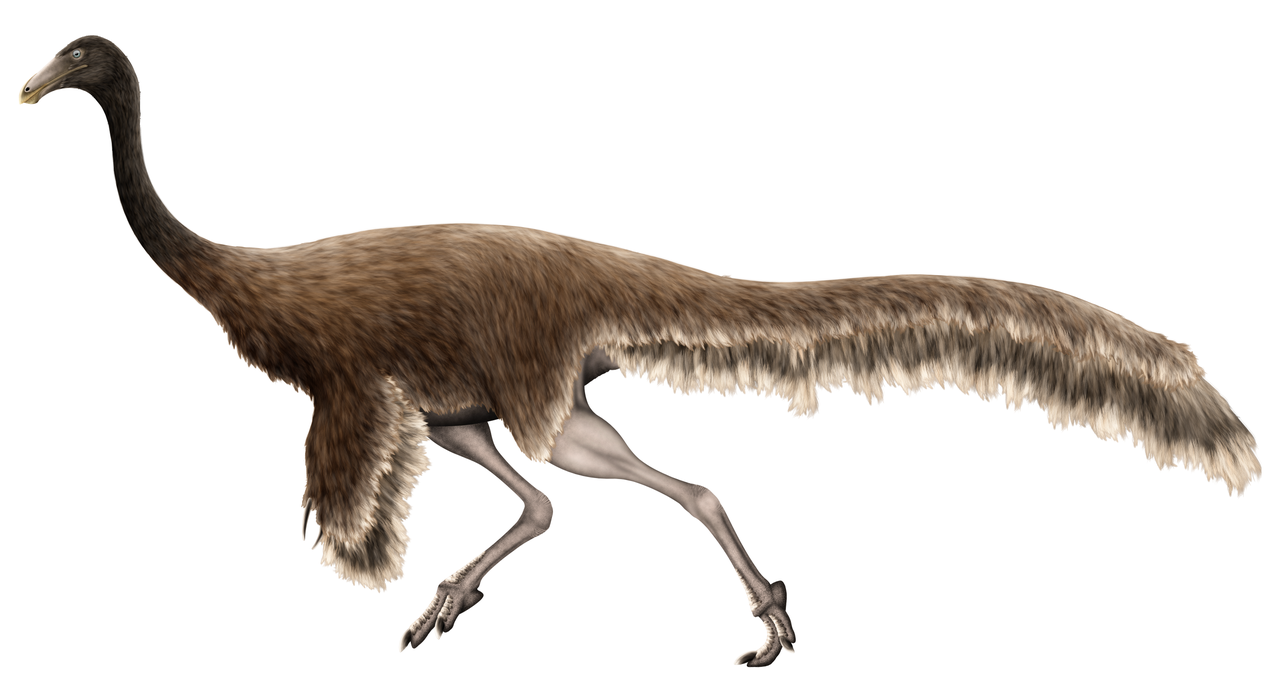


Key characteristics
- Size: Estimated overall length is small — roughly around a metre to a few metres long in life — based on the proportions of the preserved leg bones.
- Foot anatomy: The most distinctive feature is the unusual condition of the metatarsals. The third (middle) metatarsal is the dominant, weight-bearing bone and is reinforced at its upper end, while the adjacent second and fourth metatarsals are comparatively reduced.
- Claw form: The single preserved pedal claw (from the fourth toe) is relatively straight rather than strongly curved, which has been taken as evidence against a strictly predatory, grasping lifestyle.
This combination of traits is uncommon among theropods and is not matched exactly in modern birds. Paleontologists have noted parallel functional analogies with three-toed ungulates, where a central toe becomes the main support, though the evolutionary pathways are distinct.
Discovery and classification
The fossils of Velocisaurus were recovered in Argentina and placed in the wider group of theropod dinosaurs; some analyses relate it to other southern theropods such as ceratosaurian-grade taxa. The species description and interpretation of its locomotor specializations were advanced by researchers working on South American Mesozoic vertebrates. For background on theropods and southern faunas see theropod and regional summaries like Patagonia and general overviews of the Cretaceous.
Ecology and functional interpretation
Because only leg and foot elements are known, paleontologists infer lifestyle from structure. The reinforced central metatarsal and reduced lateral metatarsals suggest adaptation for running (a cursorial habit). Such a foot would concentrate weight and stress through a single, robust axis, potentially improving energetic efficiency during rapid locomotion. The straight pedal claw has been interpreted as consistent with an omnivorous or generalized diet rather than specialization as an active, claw-grasping predator.
Importance and notable facts
Velocisaurus is important because it illustrates an unusual foot morphology among theropods and broadens our view of locomotor experimentation in dinosaurs. Its features prompt comparisons with other groups that modified toe proportions for different functions — a subject treated in comparative studies of evolution and biomechanics. For further reading on the describer and regional paleontology, see work by José Bonaparte and paleontological notes on stratigraphic contexts. Additional accessible resources include summaries of dinosaur classification (dinosaur), evolutionary adaptations (adaptation), and related taxa such as Ceratosaurus. General introductions to the fossil record and paleontological methods are available through broader portals (theropod, Patagonia).
Because new discoveries can change interpretations, the understanding of Velocisaurus remains provisional. Future discoveries of more skeletal material would clarify its appearance, relationships, and ecological role within Cretaceous South American ecosystems.
Questions and answers
Q: What is Velocisaurus?
A: Velocisaurus is a theropod dinosaur related to Ceratosaurus.
Q: Where were the remains of Velocisaurus found?
A: The remains of Velocisaurus were found in Patagonia in strata from the Cretaceous period.
Q: What is the estimated length of Velocisaurus?
A: The estimated length of Velocisaurus is 1.2 meters (4 ft).
Q: What is unique about the foot of Velocisaurus?
A: The middle (third) metatarsal (foot bone) was the main weight-bearing element of Velocisaurus, and its upper end has thickened while the shafts of the adjoining second and fourth metatarsals have thinned considerably.
Q: Is the foot condition of Velocisaurus found in other theropods or birds?
A: No, the foot condition of Velocisaurus is unknown for other theropods, including birds.
Q: What is the suggested adaptation for the foot condition of Velocisaurus?
A: José Bonaparte suggested that the foot condition of Velocisaurus is an adaptation for a cursorial (running) lifestyle.
Q: Why did José Bonaparte suggest that Velocisaurus was an omnivore?
A: José Bonaparte suggested that Velocisaurus was an omnivore because the sole claw found, of the fourth toe, was not curved, but relatively straight.
Related articles
Author
AlegsaOnline.com Velocisaurus — a small cursorial theropod from Patagonia Leandro Alegsa
URL: https://en.alegsaonline.com/art/104503