
Wankel engine (rotary engine)
A compact internal-combustion rotary engine notable for smooth high-revving power and few moving parts, but limited by sealing, oil consumption and emissions; used historically in some cars and niche applications.
Overview
The Wankel engine, commonly called a rotary engine, is an internal combustion design that produces power through a triangular rotor turning within an oval-like housing instead of pistons moving up and down. Its compact geometry and continuous rotary motion distinguish it from reciprocating piston engines and give it a high power-to-weight ratio and smooth delivery at high rpm.
Image gallery
10 Images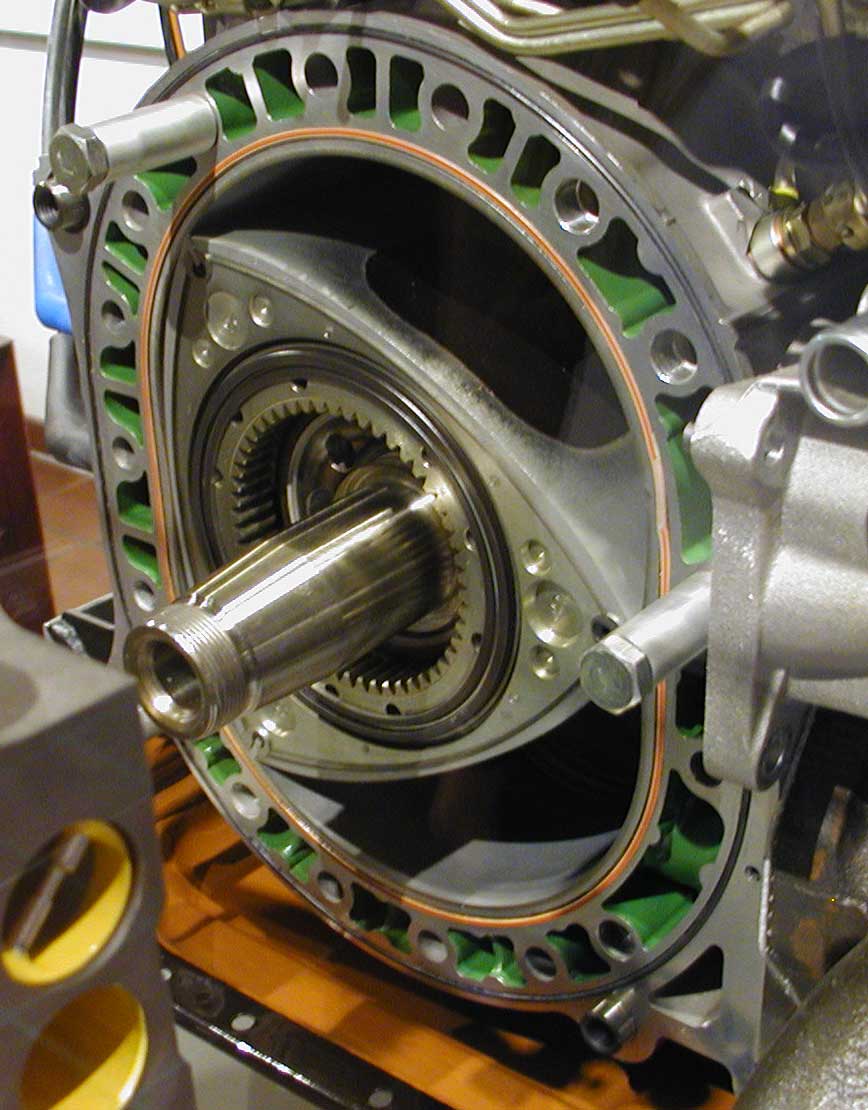




Design and operation
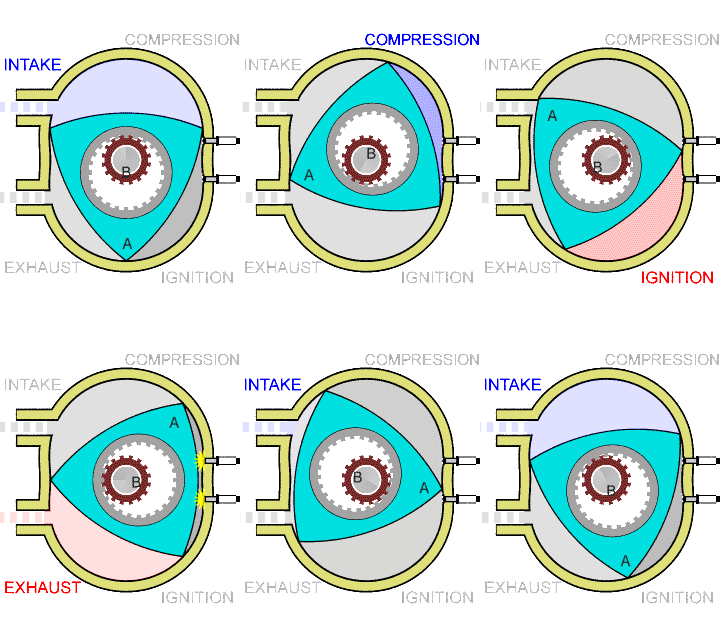
Key elements of the Wankel layout include a roughly triangular rotor, an epitrochoid-shaped housing, and intake and exhaust ports. As the rotor turns, its three apexes sweep against the housing to form chambers that expand and contract, carrying out the four stages of the combustion cycle—intake, compression, combustion, and exhaust—at different points around the housing.
- Main parts: rotor, housing, eccentric shaft, apex seals, side seals.
- Sealing: apex seals are critical to maintain compression but are also a frequent wear point.
- Lubrication: controlled oil injection onto moving seals is common, which reduces wear but leads to some oil consumption and combustion of oil in the chamber (lubricant).
History and development
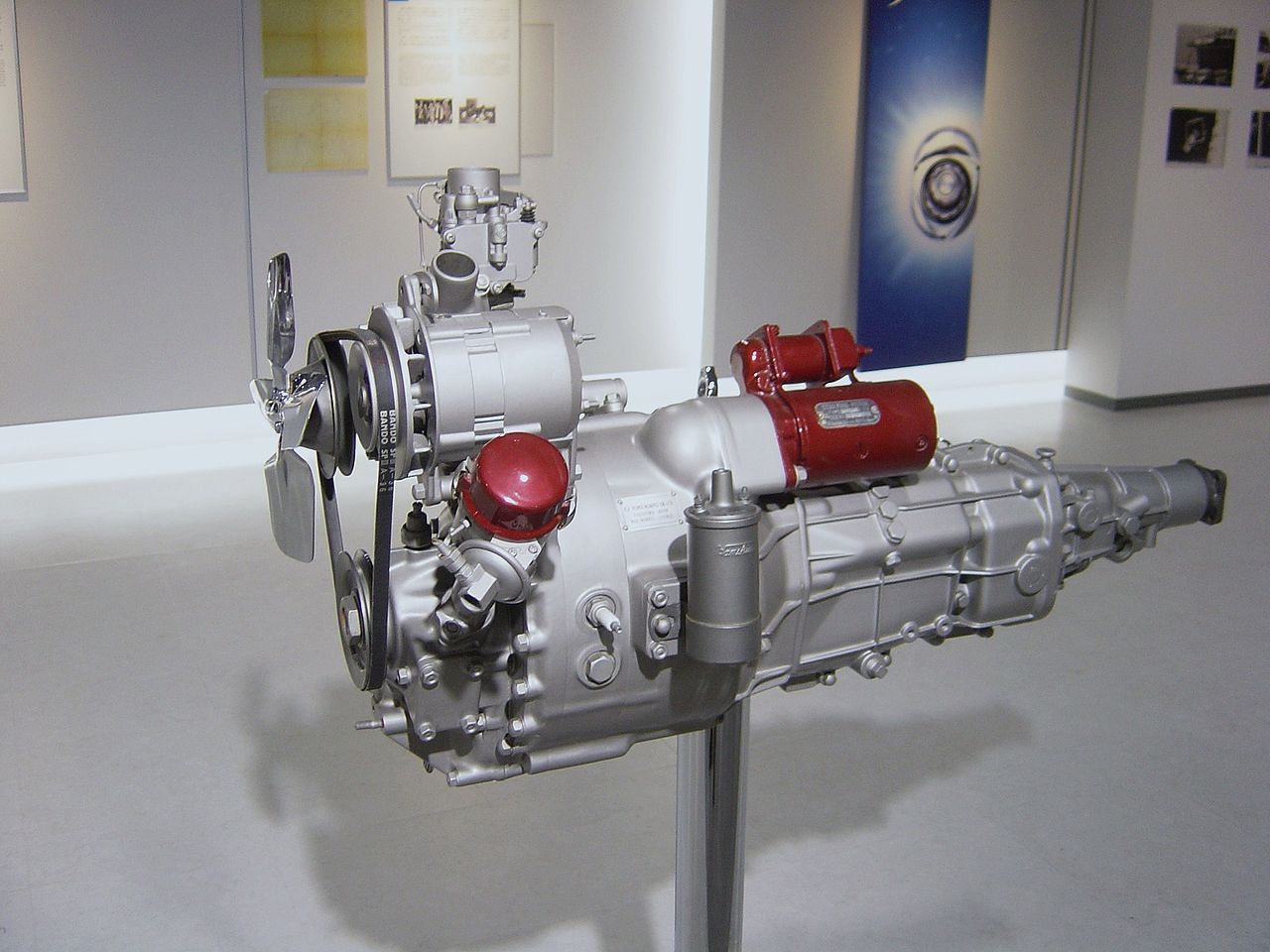
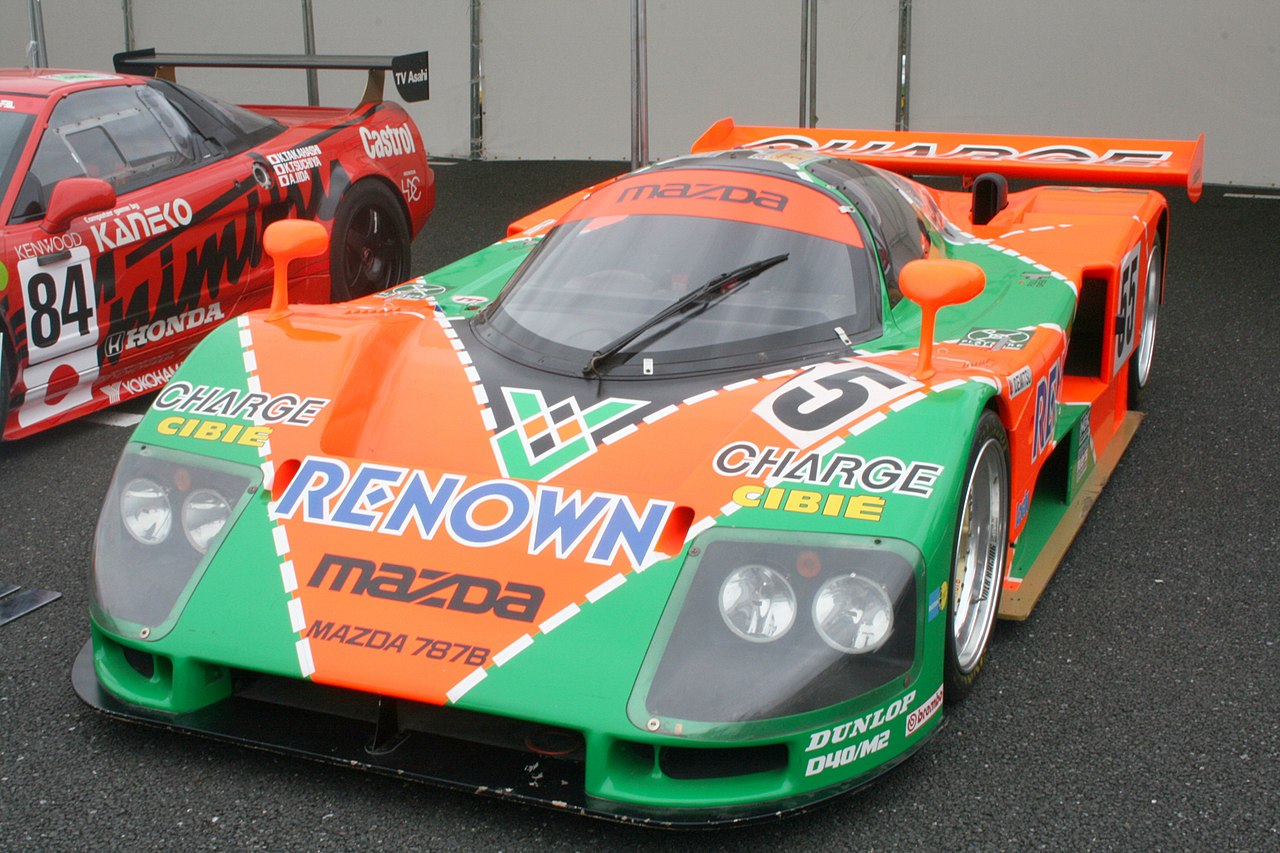
The engine was developed by German engineer Felix Wankel and refined in the mid-20th century. Early commercial development involved several manufacturers; the design attracted particular attention because it offered a mechanically simple alternative to piston engines. Japanese manufacturer Mazda became the most notable proponent, introducing production cars that highlighted the Wankel's performance and compact packaging.
Advantages and limitations
Advantages often cited are few moving parts, compact size, smooth high-rpm operation, and favorable power-to-weight. However, the design has persistent challenges: sealing at the rotor apexes, fuel and oil consumption, and emissions control. Combustion chamber shape tends to complicate complete burning of the charge, affecting fuel economy and exhaust emissions compared with contemporary piston engines.
Uses and legacy
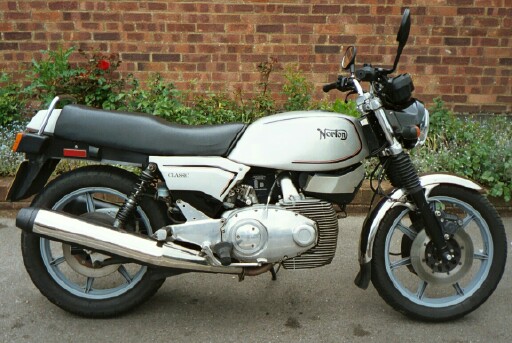
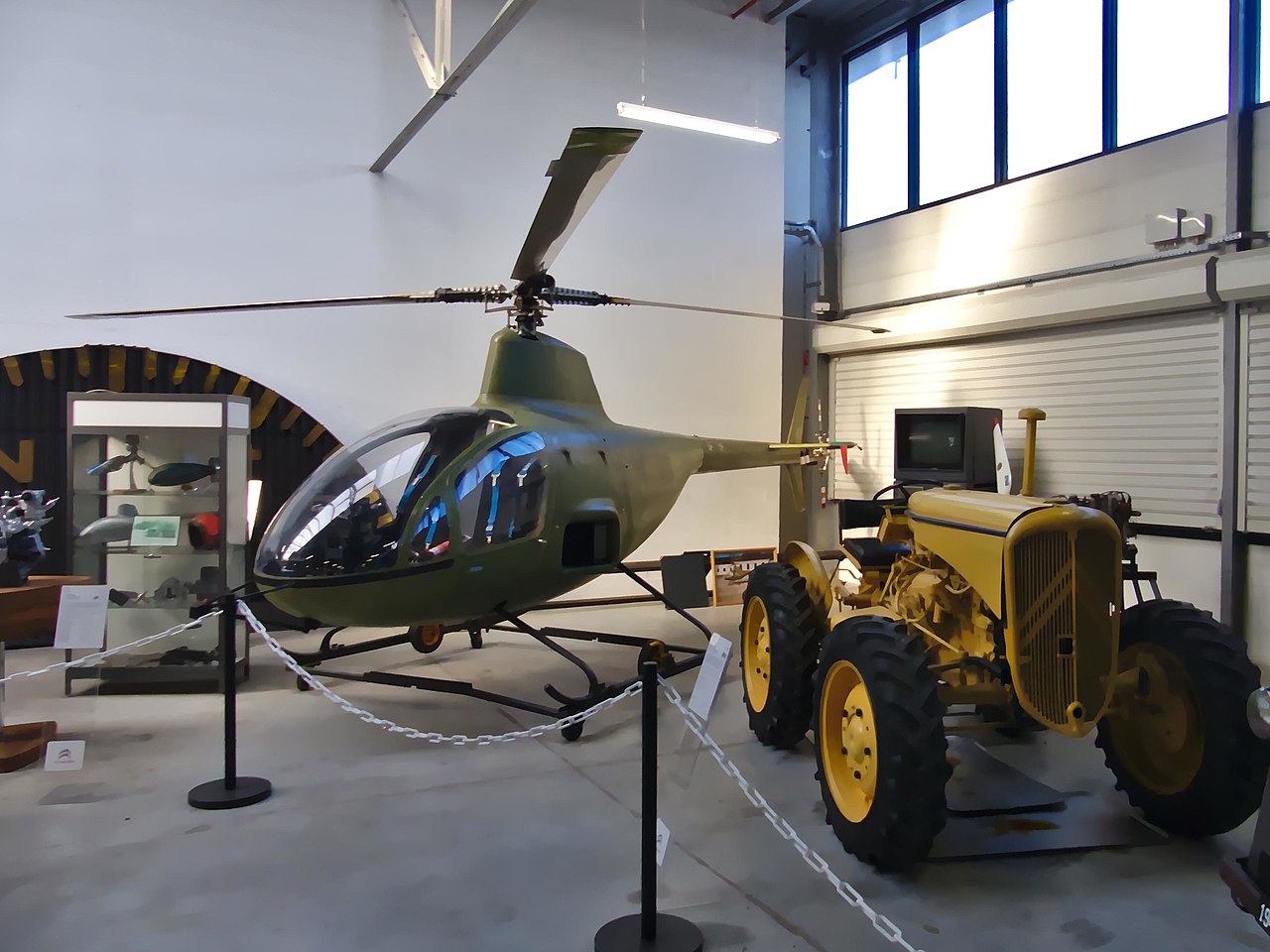
Wankel engines have seen use in sports cars, small aircraft, motorcycles, and as range-extender or auxiliary power units where compactness and smoothness are valued. While mainstream automotive adoption has been limited, the architecture remains of interest for specialist applications and research—for example, in lightweight vehicles, drones, and experimental hydrogen combustion systems—because of its simplicity and potential for refinement with modern materials and fuel-injection technologies.
Notable facts
- The engine's continuous rotary motion produces less vibration than reciprocating engines.
- Its unique sealing and combustion characteristics are the primary technical hurdles for wider adoption.
- Despite its niche status, the Wankel engine is an influential and well-known alternative to piston-based designs.
Related articles
Author
AlegsaOnline.com Wankel engine (rotary engine) Leandro Alegsa
URL: https://en.alegsaonline.com/art/106457