
Beret: Soft Round Hat — History, Styles and Uses
A beret is a soft, round, brimless cap with cultural, military and fashion roles worldwide. This article explains its form, materials, history, variants and common uses.
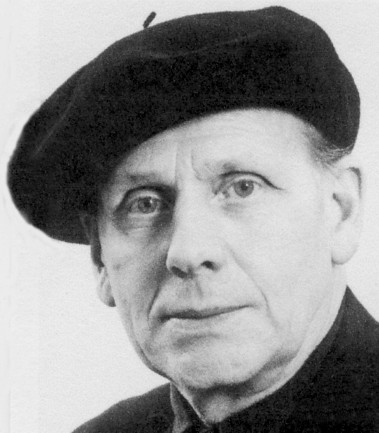
The beret is a simple, brimless cap with a circular, flat crown and a soft, flexible body. Worn pulled to one side or centered atop the head, it is distinctive for lacking a peaked visor and for its pliable shape that can be styled in a variety of ways. The beret appears in many national and cultural wardrobes and has become an international symbol for artists, revolutionaries, and uniformed services alike. For an introductory overview see basic beret information.
Image gallery
10 Images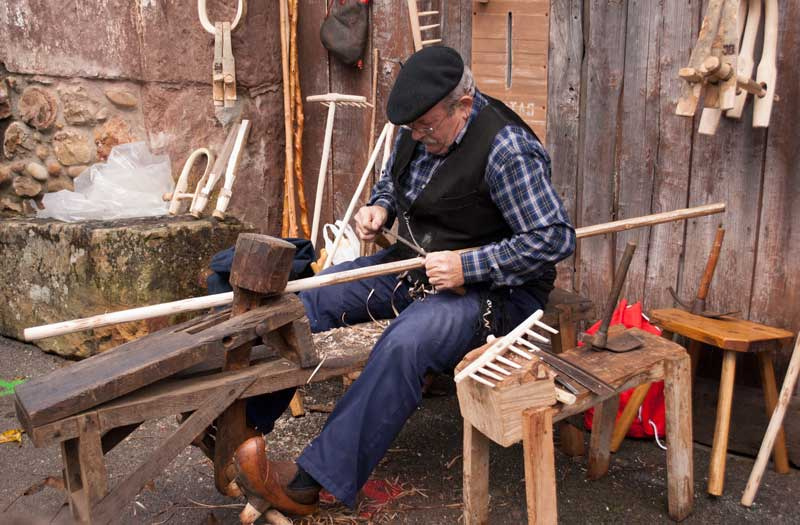


Characteristics and materials
Traditional berets are typically made from felted wool or knitted wool that has been fulled to make a dense, felt-like fabric. Modern versions may use cotton, acrylic, or blended textiles for lighter weight or lower cost. Common structural elements include a narrow band or headband to help the hat sit on the head, a flat or slightly domed crown, and sometimes a small stalk or "nipple" at the top.
- Materials: wool felt, knitted wool, cotton, synthetics.
- Shape: round, flat crown; flexible, can be molded by hand.
- Fit: snug band with adjustable sizing in some modern models.
History and origins
The beret has roots in the traditional headwear of shepherds and rural communities in parts of northern Spain and southern France, especially the Basque region. Over centuries it spread through nearby regions and urban centers. By the 19th and 20th centuries the beret had been adopted as both a practical civilian cap and as part of formal uniforms. It gained particular visibility as a military headgear, where its simplicity and easy storage made it a practical choice for many armed forces.
Uses, symbolism and examples
Berets serve multiple roles: practical headwear, a fashion statement, and a symbol. Militaries and police forces around the world use color-coded berets to indicate units or specialties. Artists and intellectuals adopted berets as a badge of bohemian identity, while political movements sometimes used them to project solidarity or resistance. In fashion, designers have repeatedly revived the beret as a seasonal accessory.
- Military and uniformed services: unit identification, practical field cap.
- Fashion and culture: runway trends, street style, artistic stereotype.
- Symbolic use: political and social movements, community identity.
Variants, care and notable facts
Variants range from the small, closely fitted models used in many armies to oversized, slouchy styles favored by designers. Some berets include linings, sweatbands, or insignia such as badges and flashes. Care typically involves gentle hand washing or professional cleaning for felted wool and reshaping while damp. For more detailed guidance and visual references consult material and care notes or a specialized source at designer and historical references. For organizations that standardize military berets see uniform regulations and insignia.
Related articles
Author
AlegsaOnline.com Beret: Soft Round Hat — History, Styles and Uses Leandro Alegsa
URL: https://en.alegsaonline.com/art/10674