
Blonde (hair color)
Light hair color ranging from pale yellow to golden; results from low melanin, genetic variants, environmental bleaching, and has notable geographic and cultural associations.
Overview
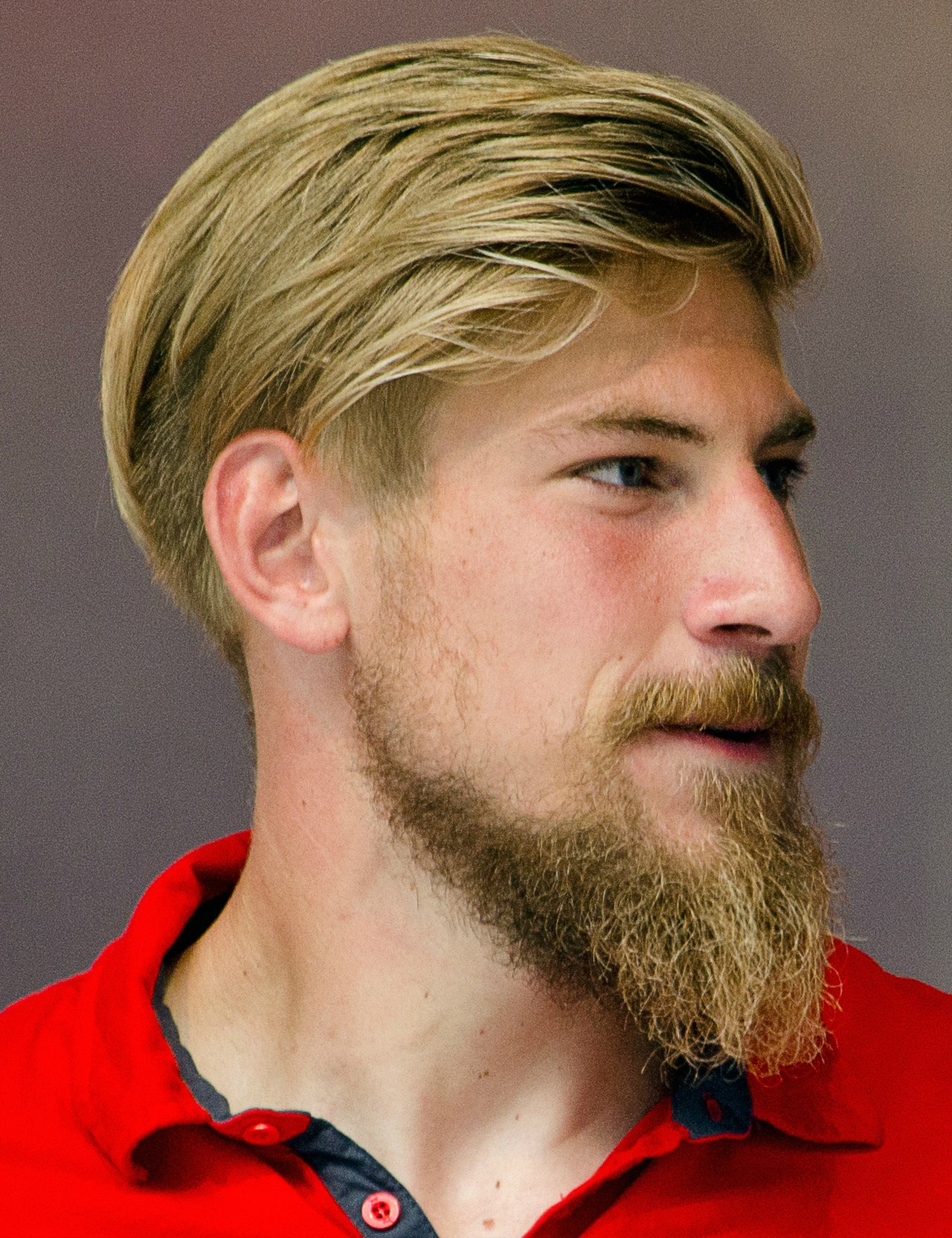
Blonde (or blond) refers to a range of light hair colors, from pale, almost white shades to warm golden tones. In English usage the feminine form blonde and the masculine blond survive from French, though many style guides accept either spelling for the color itself. The appearance of blonde hair is principally the result of relatively low concentrations of dark pigment (eumelanin) in hair shafts, producing lighter visual tones.
Image gallery
10 Images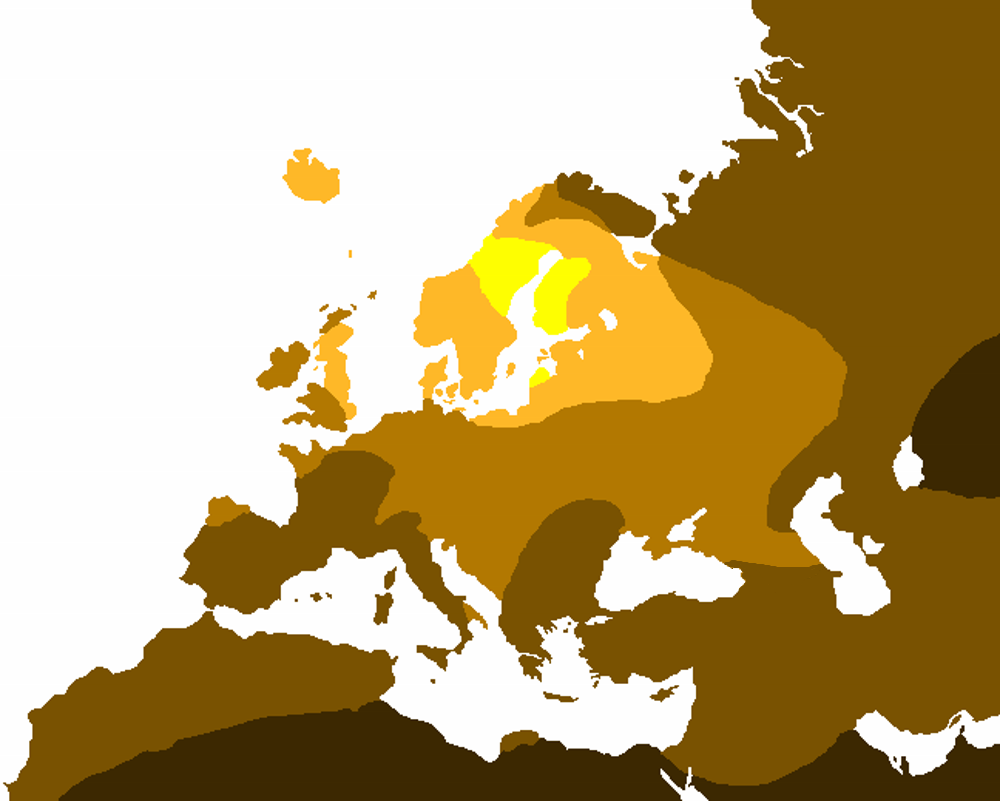




Causes and varieties
Natural blonde hair arises largely through inherited genetic variants that reduce melanin production in hair. Multiple genes contribute to hair pigmentation, so blonde hair can appear in several shades and may change with age: many children are born lighter and darken in adolescence. Conditions such as albinism involve an extreme reduction or absence of pigment and should be distinguished from typical blonde pigmentation. External factors also alter hair color: long-term sun exposure can lighten hair, and hair dyes or bleaching agents (peroxide-based products) are commonly used to achieve or enhance blonde shades.
Geographic distribution and history
Natural blonde hair is most frequently found among populations of northern and eastern Europe, especially around the Baltic Sea and in Scandinavia. It is also present among people of European descent worldwide because of migration. Separately, some indigenous populations in parts of Oceania possess naturally light hair due to distinct genetic variants. Historical migration, selection and local genetic drift have shaped the current distribution; however, precise regional frequencies vary and depend on demographic history.
Cultural significance and perceptions
Blonde hair has been associated with diverse cultural meanings across periods and places, from aesthetic ideals and fashion trends to literary and artistic symbolism. In contemporary culture it has attracted stereotypes and social commentary—some playful and some pejorative—while hair coloring remains an important aspect of personal styling and the beauty industry.
Distinctions and common categories
Several common terms describe blonde shades: platinum (very pale), ash (cool-toned), golden (warm-toned), and strawberry blonde (pale red-golden). When discussing people, writers should be attentive to preferred spelling and to avoid reductive stereotypes. Causes of light hair can be summarized as genetic inheritance, developmental or age-related change, medical conditions affecting pigment, environmental lightening, and artificial coloring.
Further reading and references
- General description and definitions
- Dictionary usage and spelling notes
- Genetics of hair pigmentation
- Genes associated with hair color
- Information on albinism
- Hair bleaching and cosmetic methods
- European ancestry and distribution
- Baltic region observations
- Scandinavian populations
- Nordic countries overview
- Sweden population studies
- Norway demographic notes
- Denmark regional data
- Icelandic heritage
- Finland and hair color
- Ireland—historical context
- Scotland and traditional notes
- Genetic markers in European populations
- England and distribution
- Slavic regions and variations
- Poland—regional context
- Northwestern Russia details
- European diasporas outside Europe
- Historical movements and hair color
Questions and answers
Q: What does the spelling "blonde" refer to?
A: The spelling "blonde" refers to a female with light colored hair.
Q: How can people become blonde?
A: People can become blonde either through genetics, albinism, or by using chemicals such as bleach to make their hair lighter.
Q: Where are natural blondes most common?
A: Natural blondes are most common around the Baltic Sea and Scandinavia, as well as in Ireland, Scotland, England, Baltic countries, Slavic countries (especially Poland), north-western parts of Russia and among European descent that have lived in Kazakhstan since the Soviet Union. They are also common in Canada, United States, Australia, New Zealand, Argentina, Chile, The Netherlands and Germany.
Q: Is being blonde genetic?
A: Yes - some people are blonde because they have less pigment in their hair than dark haired people and it is usually due to having blonde ancestors which is genetic. However there are also cases where it is not genetic which is called albinism.
Q: Can environmental factors cause someone to be blonde?
A: Yes - exposure to sunlight can bring on light hair color.
Q: Are natural blondes more common among certain ethnicities?
A: Yes - natural blondes are more commonly found among those with European ancestry as well as some Australian Aborigines who have a different gene that makes them blonde.
Q: Does Merriam-Webster's Dictionary recognize both spellings of "blond/e"?
A: Yes - Merriam-Webster's Dictionary recognizes both spellings of "blond/e".
Related articles
Author
AlegsaOnline.com Blonde (hair color) Leandro Alegsa
URL: https://en.alegsaonline.com/art/12232