
Unikont (Unikonta): historical eukaryote supergroup
Unikont (Unikonta) was a proposed eukaryote supergroup including Opisthokonta and Amoebozoa; the name is now largely replaced by Amorphea in modern classifications.
Overview
Unikont (also written Unikonta) was a name applied to one of several high-level groupings of eukaryotes. The concept originated in efforts to reorganize major branches of eukaryotic life and was used in some proposals of classification. It appears in discussions tied to the broader taxonomy framework developed by researchers such as Thomas Cavalier-Smith.
Image gallery
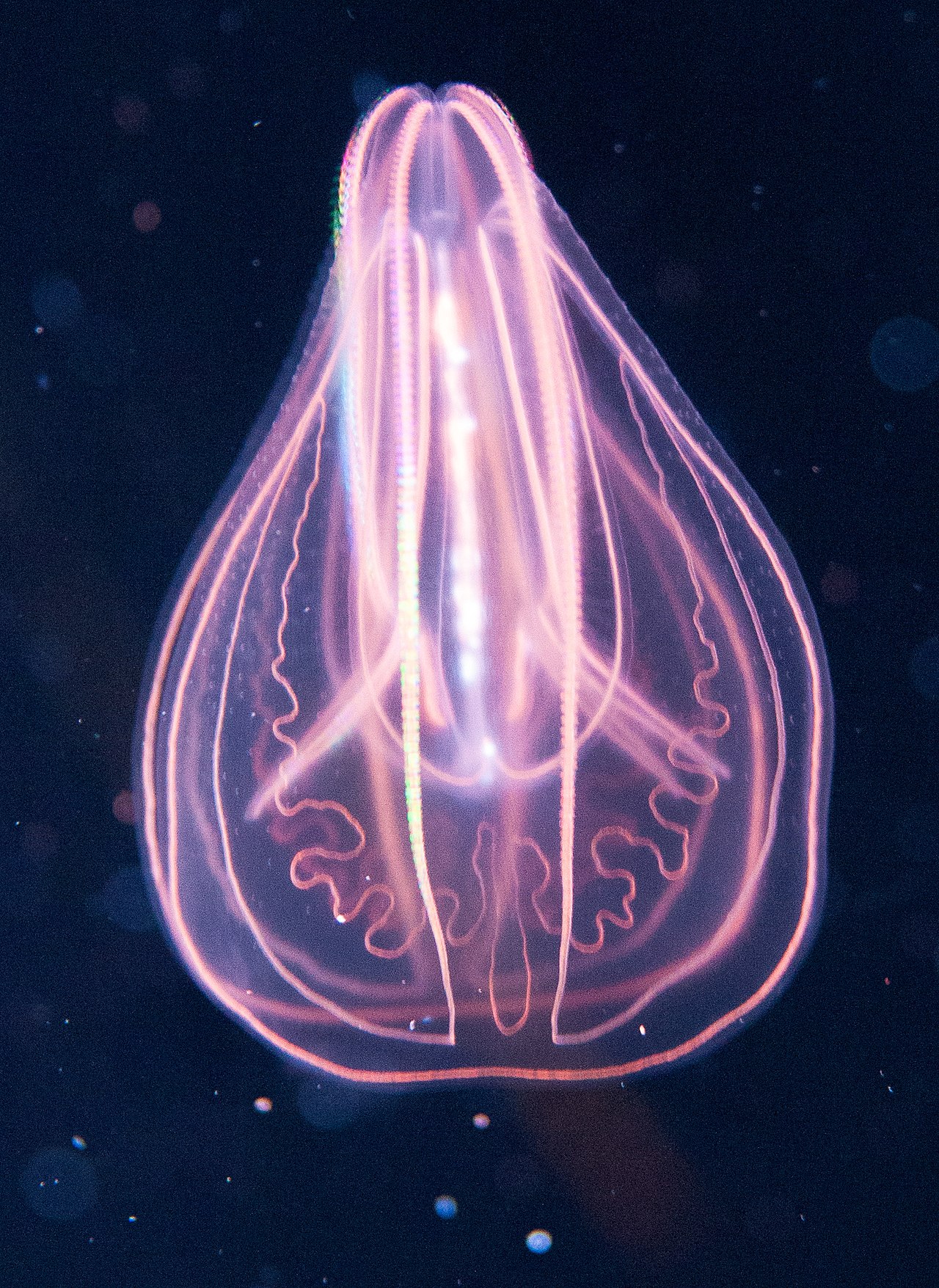
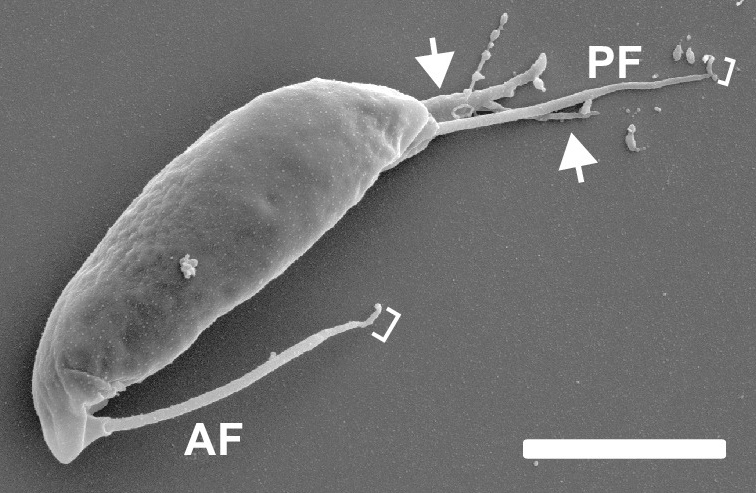
10 Images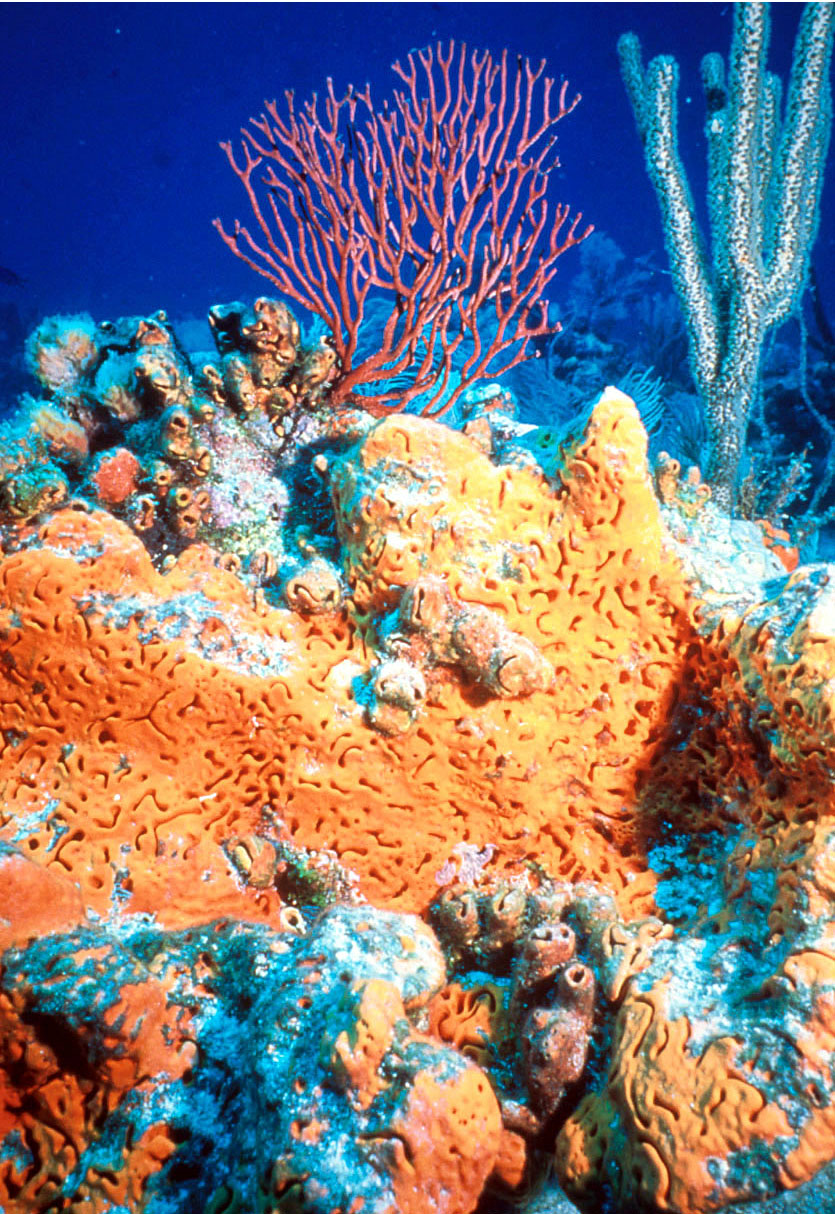






Key characteristics
The name refers to an ancestral condition inferred by researchers: a single emergent flagellum or an amoeboid cell derived from such a form. In practice, members of the group are diverse and include both flagellated and non-flagellated organisms. The term was contrasted with "bikonts," a proposed sister assemblage thought to derive from ancestors with two flagella.
Major components
Although concepts varied between proposals, the core lineages usually associated with Unikonta were:
- Opisthokonta — the clade that contains animals, fungi, and related protists.
- Amoebozoa — a diverse collection of amoeboid protists, some with lobose pseudopods.
History and development
The unikont/bikont split was influential in the 1990s and 2000s as molecular and ultrastructural data reshaped eukaryotic systematics. With the growth of phylogenomic studies, researchers proposed refinements and alternative names. Over time some authors adopted the name Amorphea or other terms to describe a similar assemblage, reflecting updated relationships inferred from larger data sets.
Importance and context
Even though the label "Unikont" is less frequently used now, the conceptual division helped focus research on deep eukaryotic relationships and the origin of key traits such as multicellularity in animals and fungi. It also provided a framework for comparing cellular structures, gene families, and evolutionary transitions across diverse lineages.
Current status and distinctions
Modern classifications tend to prefer names like Amorphea or more finely split groupings as phylogenomic evidence accumulates. "Unikont" survives in older literature and in discussions of the historical development of eukaryote systematics, but readers should check recent sources for up-to-date clade names and definitions.
Related articles
Author
AlegsaOnline.com Unikont (Unikonta): historical eukaryote supergroup Leandro Alegsa
URL: https://en.alegsaonline.com/art/102866
Sources
- ijs.sgmjournals.org : "The phagotrophic origin of eukaryotes and phylogenetic classification of Protozoa"
- pubmed.ncbi.nlm.nih.gov : 11931142
- doi.org : 10.1078/0932-4739-00002