
Urban design: principles, history and practice
An accessible overview of urban design: its scope, core elements, historical development, practical uses, and how it differs from architecture and planning.
Urban design is the discipline concerned with shaping towns and cities to be functional, attractive, and sustainable. It sits between planning and architecture, translating broad policy into the physical arrangement of streets, blocks, open spaces and buildings. Urban design considers scale, movement, land use, landscape and public life to improve how people experience urban places. It is often coordinated with urban planning and draws on theories of design, civic life and environmental systems.
Image gallery
10 Images






Principles and elements
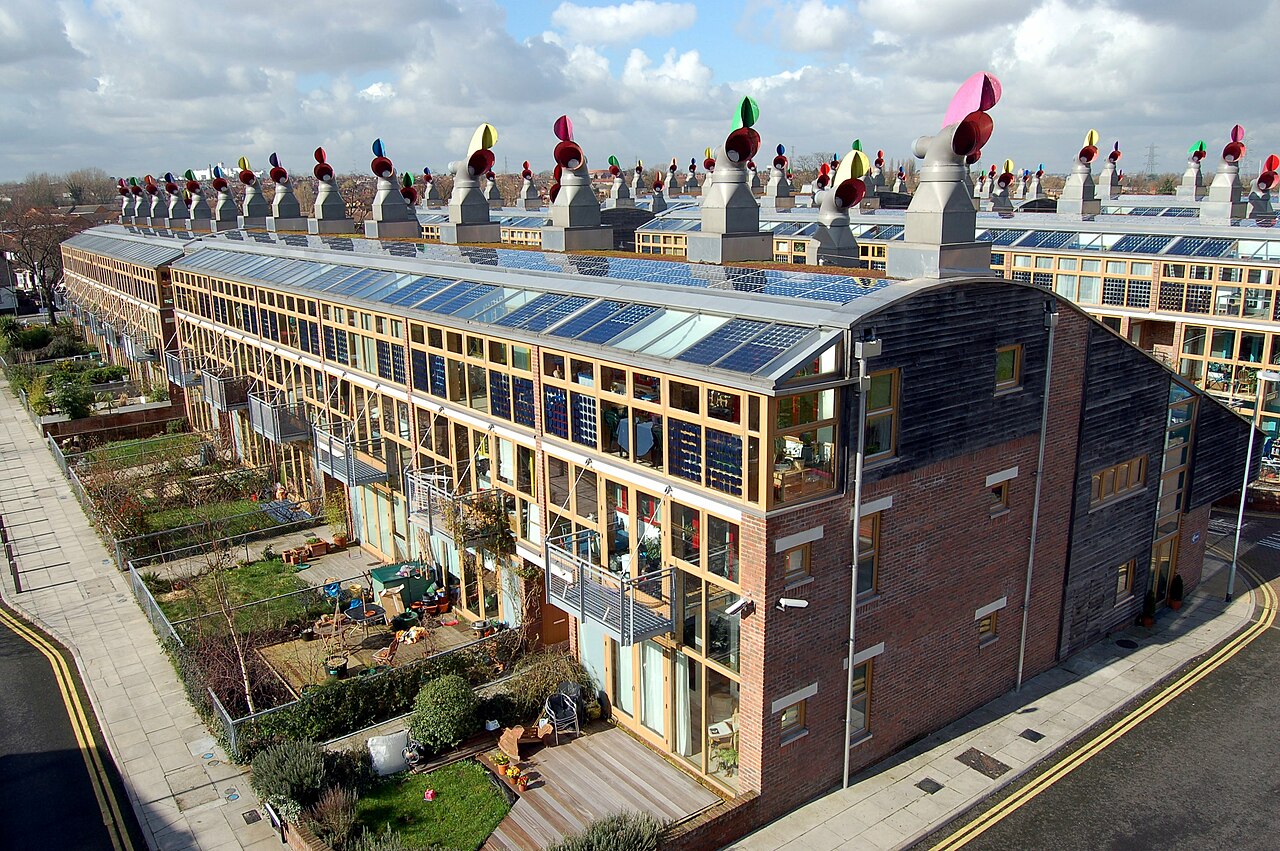
At its core urban design deals with the composition and configuration of urban form. Key elements include the pattern of streets, the size and shape of blocks, the design of public spaces, the placement of buildings, and the integration of green and blue infrastructure. Common guiding principles are connectivity, human scale, mixed uses, legibility, safety, and adaptability. Practitioners aim to balance movement needs, social interaction and ecological performance.
- Streets and mobility corridors that support walking, cycling and transit
- Public squares, parks and waterfronts that host civic life
- Building frontages and edges that define space and provide active uses
- Block structure and land use mix to encourage diversity and resilience
History and development
Urban design emerged as a distinct concern in the 19th and 20th centuries as cities industrialized and grew rapidly. Debates over sanitation, housing, aesthetics and transportation shaped early interventions. Throughout the 20th century, movements such as the Garden City, modernist planning and later New Urbanism influenced how designers approached density, zoning and public space. Contemporary practice integrates sustainability, climate resilience and participatory methods to respond to new social and environmental challenges.
While architecture concentrates on individual buildings, urban design focuses on neighborhoods and whole districts, complementing the work of neighbourhoods-scale projects and citywide strategies. It also connects with concepts of cities as economic and cultural systems and with policy frameworks for other urban areas.
Uses, methods and notable distinctions
Urban design informs masterplans, streetscape projects, transit-oriented development and public realm improvements. Methods include sketch plans, 3D modelling, public workshops and design guidance documents. Well-executed urban design can increase walkability, foster social interaction, enhance public health and support local economies. Unlike broader planning, which sets policy and zoning, urban design is primarily about spatial form and the quality of public space.
Notable facts: urban design is interdisciplinary, often led by designers, planners and landscape architects; it responds to local culture and climate; and it increasingly addresses climate adaptation, equity and technological change. For further reading consult planning guides or design compendia that illustrate principles with case studies and typical interventions.
Related articles
Author
AlegsaOnline.com Urban design: principles, history and practice Leandro Alegsa
URL: https://en.alegsaonline.com/art/103556