
Social network: structure, roles, and community dynamics
A social network is a pattern of relationships among people or organizations; this article explains its structure, functions, history, common types, benefits, and practical challenges.
Overview
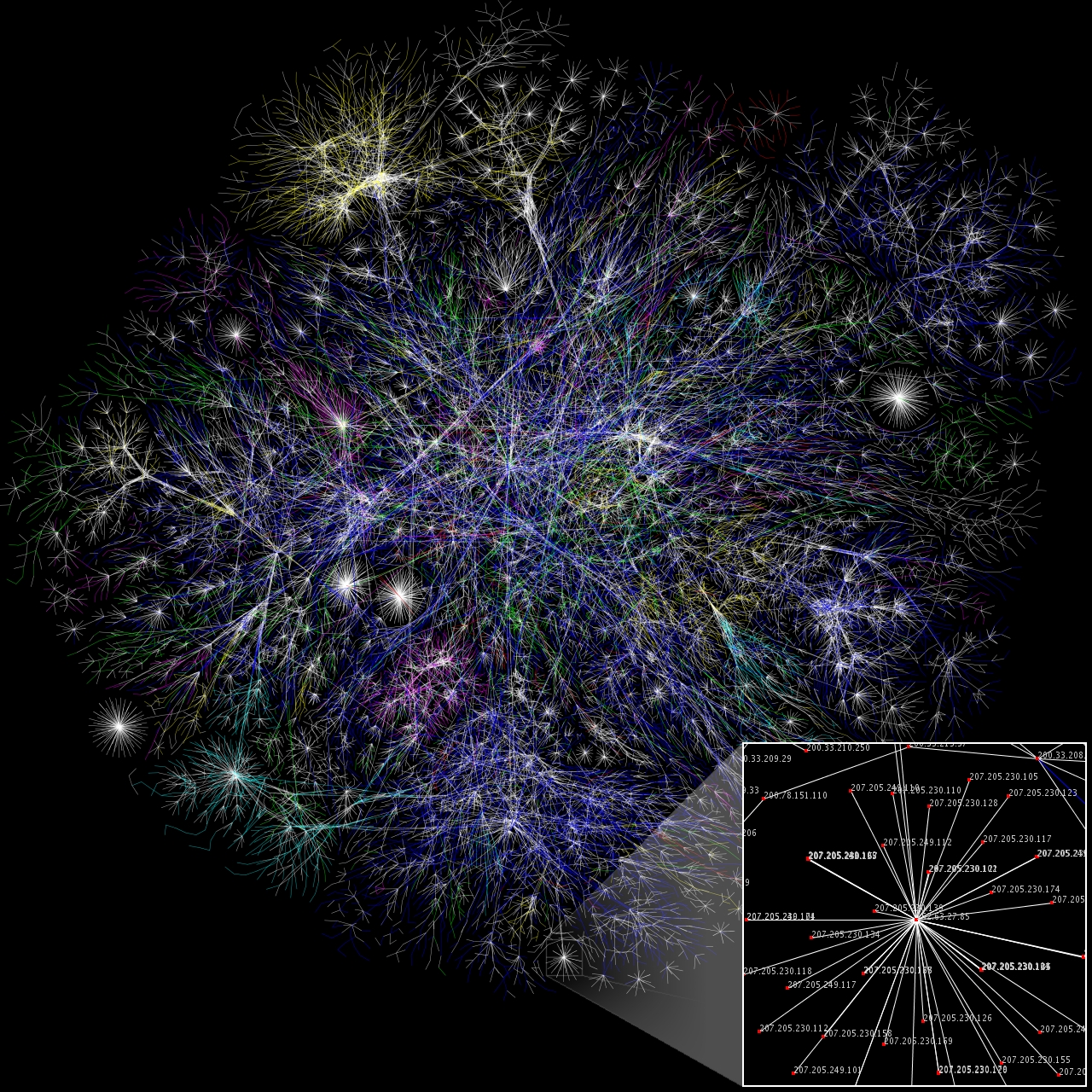
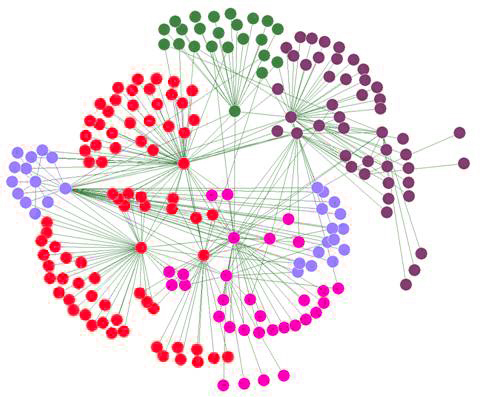
A social network is a set of people or organizations connected by recurring social relationships. These relationships can take many forms—friendship and emotional ties, communication and information exchange, economic transactions, kinship, authority, trust, or shared activities—and they form a structure that shapes how individuals and groups behave. Calling these relationships a network emphasizes pattern: who connects to whom, how dense or sparse the ties are, and how influence, resources, or risks flow through the group. A community social network focuses on these patterns within a defined locality or social circle and often creates a sense of belonging and mutual assistance (community social network).
Image gallery
5 Images

Key characteristics and parts
Social networks are described in terms of nodes (individuals or organizations) and ties (the relations linking them). Important attributes include tie strength (strong or weak), direction (reciprocal or one-way), density (how many connections exist relative to possible connections), and centrality (which nodes occupy influential positions). Networks often manifest as overlapping groups that are centered on work, family, neighborhood, interest, or formal institutions.
- Common tie types: friendship, kinship, mentorship, client–provider, and hierarchical authority.
- Functions of ties: information sharing, emotional support, economic exchange, and coordination.
- Scale effects: a close personal network usually spans dozens to a few hundred people; as networks grow, maintaining close ties becomes more difficult.
History and theoretical background
The network perspective has roots in sociology, anthropology, and graph theory. Scholars observed that social life is organized not only by formal roles and institutions but by patterns of relationships that persist over time. Classic observations include the idea that human groups tend to cluster at limited sizes: the so-called "Law of 150" proposes that roughly 150 meaningful relationships is a natural upper bound for an intimate community (Law of 150), a size comparable to a traditional village or large clan (clan, town). Organizational commentators have adapted similar reasoning to business, suggesting that smaller units—sometimes around seventy people—can function effectively as cohesive teams within a firm (corporation).
Functions, examples, and importance
Social networks perform practical and symbolic roles. On the practical side, they facilitate the spread of information, mobilize help in emergencies, and enable cooperative economic activity. For example, a neighborhood network can coordinate mutual aid after a crisis, while a professional network helps transmit job leads and expertise. Symbolically, networks produce identity and belonging: a religious congregation, hobby group, or workplace may provide a primary locus for social ties (religion), and institutions such as a mosque (mosque), church, or temple (temple) commonly act as centers for local networks.
- Social support and care: emotional and material assistance among tied individuals.
- Diffusion: spread of ideas, norms, innovation, and behavior through ties.
- Coordination: arranging collective action, from informal help to formal institutions.
Challenges, vulnerabilities, and notable distinctions
Networks are vulnerable to problems that arise from human behavior and structural limits. The free rider problem describes when members consume benefits of the network without contributing to collective tasks; this is a persistent risk because episodes requiring help—like natural or social emergencies—often come unexpectedly (free rider problem). Disasters that demand rapid mutual aid expose such weaknesses (disasters), and it may take time to learn who reliably contributes to group protection and well-being (safety). Some individuals may be perceived as shirking or avoiding responsibilities (avoiding duty), which can erode trust and cohesion.
Size and diversity affect how a network functions. Small, dense networks promote strong mutual support but can limit new information; larger, looser networks bring novel ideas and opportunities but make enforcement of norms harder. In modern life, personal networks often combine local, place-based ties with distant, interest-based links maintained through travel and digital communication. Understanding both structure and function helps communities, organizations, and policymakers strengthen beneficial ties while mitigating risks.
Questions and answers
Q: What is a social network?
A: A social network is a set of people who interact with each other, and can include group organizations. These relationships may involve friendship/affection, communication, economic transactions, interactions, kinship, authority/hierarchy, trust, social support and more.
Q: How big can a personal network become?
A: The size of a person's personal network usually does not exceed several hundred individuals. There is an idea known as the "Law of 150" which suggests that about 150 people is the best size for a village or large clan though most people live in much bigger towns. Some experts think that corporations have an ideal size of about 70 people including their spouses.
Q: What is the free rider problem?
A: The free rider problem occurs when someone uses the social network but does not give help when needed. This can be particularly problematic in times of disaster since it often happens without warning and it becomes difficult to determine who has been contributing to the safety of the group and who has been avoiding their duty.
Q: What holds social networks together?
A: Social networks are held together by common interests such as employment or shared hobbies or religions (which often serve as centers for these networks). Networks may also be centered on places or families or worldwide communities with similar interests.
Q: Are there any official recognitions for these networks?
A: No, these networks do not typically have any official recognition even though they may have an identity all their own that is quite real.
Q: How do social networks provide help and protection to its members?
A: Social networks provide its members with social support which gives them a sense of community and encourages them to help and protect each other.
Related articles
Author
AlegsaOnline.com Social network: structure, roles, and community dynamics Leandro Alegsa
URL: https://en.alegsaonline.com/art/91439