
Umkhonto we Sizwe: the ANC's armed wing in the struggle against apartheid
Umkhonto we Sizwe ("Spear of the Nation") was the African National Congress's armed wing formed in 1961 to resist apartheid through sabotage and guerrilla actions; it ceased operations around 1990–1991.
Umkhonto we Sizwe (often abbreviated MK; Xhosa for "Spear of the Nation") was the armed wing associated with the African National Congress. It was established in 1961 as a response to the increasing repression of political dissent under the apartheid state. The organization combined sabotage, guerrilla training and limited armed actions intended to undermine the mechanisms of apartheid while—at least in policy—seeking to avoid mass civilian casualties.
Image gallery
10 Images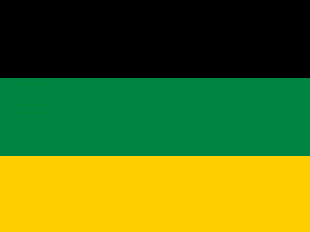



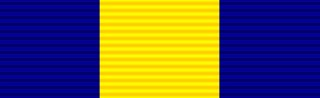


Origins and founding figures
MK grew out of debates within the ANC and allied groups about how to respond after peaceful protest tactics were met with harsh state violence. Key founders included Nelson Mandela and Walter Sisulu, among others, who believed an armed component had become necessary when legislation and police action made nonviolent resistance increasingly difficult. Its name, Umkhonto we Sizwe, reflected a symbolic commitment to the national liberation struggle.
Organisation, tactics and external support
MK organised cells, training camps and a command structure that operated in South Africa and in exile. Members received guerrilla training abroad and conducted sabotage against infrastructure, communications, and military targets. The group has been described as a guerilla movement in many accounts. During the 1960s through the 1980s it drew material, political and sometimes military support from sympathetic states and movements in Africa and beyond, which enabled training and cross-border operations.
Major events and controversies
MK's campaign included clandestine bombings and acts of sabotage aimed at government institutions and symbols of the apartheid system. These actions were justified by MK leaders as a necessary form of resistance to a state that had outlawed effective peaceful opposition. Some operations, however, caused civilian casualties and attracted condemnation; among the better-known incidents is the Church Street bombing, an attack in Pretoria that became one of the most controversial episodes associated with the armed struggle. The group was created in reaction to the state's suppression of protests and discriminatory policies affecting black South Africans.
Detention, trials and the end of hostilities
Many MK leaders were arrested in the 1960s and later tried in high-profile cases such as the Rivonia Trial; several received long prison sentences in the mid-1960s. Over the following decades MK continued limited operations while the ANC engaged in international diplomacy. In 1990, amid negotiations to end apartheid, the ANC announced a suspension of armed activities by MK, and in 1991 the organisation began a formal process of standing down and reorientation toward the political transition.
Legacy and post-apartheid transition
After South Africa's transition to majority rule, many former MK members were integrated into the new South African National Defence Force or returned to civilian life; others entered political roles. MK remains a contested subject in South African memory: it is honored by many as a liberation force and criticized by others because of the violence associated with some operations. The history of Umkhonto we Sizwe is deeply interwoven with the broader struggle against apartheid and with the biographies of prominent activists who shaped the country's path in the 20th century.
- Founding year: 1961
- Notable founders: Nelson Mandela, Walter Sisulu
- Notable tactics: sabotage and guerrilla operations (bombings)
- Cease of armed campaign announced: 1990–1991
For further reading, consult primary documents and histories produced by the ANC, contemporaneous news accounts and academic studies that examine MK's aims, operations and place in South African history. A careful study balances the organisation's role in resisting an oppressive regime with inquiry into the moral and political consequences of its methods. Additional resources: state responses, name and symbolism, and international aspects of support and training (guerilla movement context).
Related topics include the dynamics of anti-colonial and liberation movements in the 20th century and the process of reconciliation and integration that followed the end of apartheid.
Related articles
Author
AlegsaOnline.com Umkhonto we Sizwe: the ANC's armed wing in the struggle against apartheid Leandro Alegsa
URL: https://en.alegsaonline.com/art/102751