
UNICEF — United Nations agency for children's welfare
UNICEF, created by the United Nations in 1946, is a global agency that promotes children's survival, development, protection and rights through programs, emergency relief and advocacy.

Overview
The United Nations Children's Fund is a global organization dedicated to improving the lives of children and mothers. It was established by the United Nations on 11 December 1946 to provide emergency food and healthcare to children in countries devastated by World War II. Its original legal name was United Nations International Children's Emergency Fund, a title that was shortened in 1953 to United Nations Children's Fund while keeping the familiar acronym UNICEF.
Image gallery
9 Images


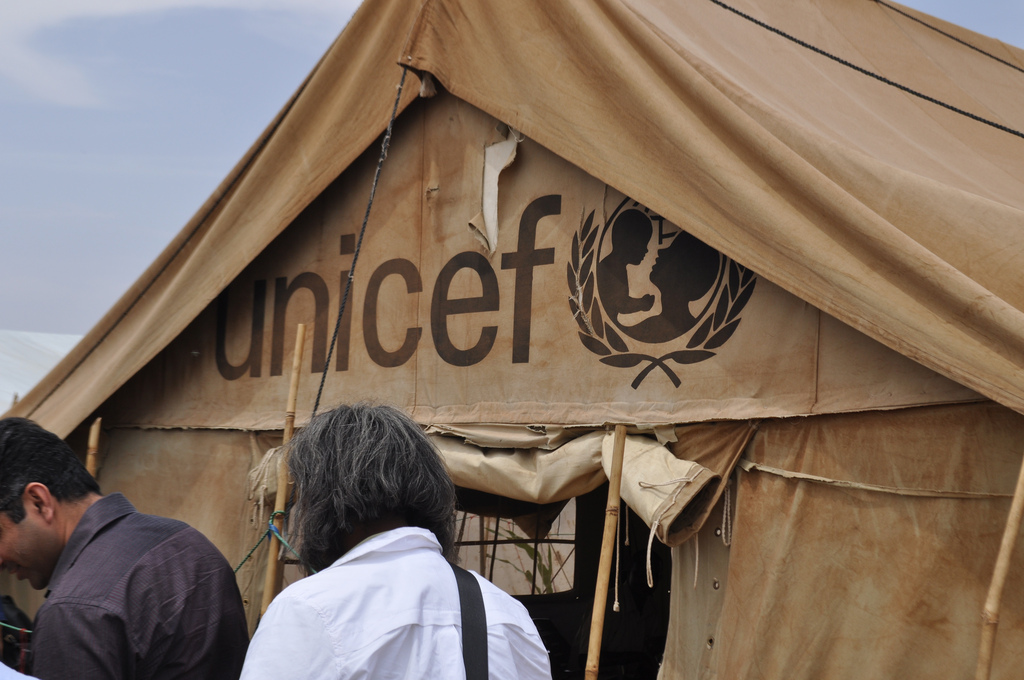


Purpose and core activities
UNICEF focuses on child survival, development and protection. Its work covers health and immunization, nutrition, safe water and sanitation, early childhood development, education, and protection against violence and exploitation. The agency also coordinates and delivers humanitarian assistance during conflicts, natural disasters and other emergencies, often working alongside local governments and non-governmental partners.
Organization and governance
UNICEF is a UN organization headquartered in New York and operates in nearly every country of the world. Its leadership includes an Executive Director, who is appointed by the Secretary-General and reports to a governing board. For matters of policy and programme oversight, UNICEF works with an Executive Board and collaborates with other UN entities, national governments and civil society to set priorities and allocate resources. For information on leadership and governance, see the Executive Director and relevant governing bodies.
Funding and partnerships
UNICEF is funded entirely by voluntary contributions from governments, private sector donors, foundations and individual supporters. It uses those resources to run country-level programmes, supply medicines and vaccines, support schools, train health workers, and collect data to inform policy. The agency places strong emphasis on partnerships — with national authorities, other UN agencies, non-governmental organizations and community groups — to scale up what works for children.
History and influence
Since its creation in 1946, UNICEF has evolved from an emergency relief fund into a long-term development and advocacy agency for children. Over decades it has played a significant role in advancing child-focused global agreements and standards, including supporting the adoption and implementation of the Convention on the Rights of the Child. Its programmes have helped establish routine immunization systems, expand access to basic education, and improve maternal and newborn care in many countries.
Notable features and distinctions
UNICEF combines field operations with policy work: it supplies life-saving commodities and runs programmes on the ground while also collecting data, issuing guidance and advocating for legal and budgetary changes that benefit children. It operates in nearly 190 countries and territories and is recognized for rapid response in humanitarian crises and for long-term engagement in child health, education and protection. Headquartered in New York, within the United States, UNICEF continues to partner with governments and communities worldwide to promote the rights and well‑being of every child.
- Founded: 11 December 1946
- Original name: United Nations International Children's Emergency Fund
- Headquarters: New York, United States
- Governance: Executive Director and Executive Board
- Global reach: programs in nearly 190 countries and territories
Questions and answers
Q: What is UNICEF?
A: UNICEF is an international organization that provides assistance and help to children and mothers.
Q: When was UNICEF established?
A: UNICEF was established on 11 December 1946.
Q: What was the original name of UNICEF?
A: The original name of UNICEF was United Nations International Children's Emergency Fund.
Q: When did UNICEF drop the words "Emergency" and "International" from its name?
A: UNICEF dropped the words "Emergency" and "International" from its name in 1953.
Q: Who is the current executive director of UNICEF?
A: The current executive director of UNICEF is former United States National Security Advisor Anthony Lake since 2010.
Q: Where is the headquarters of UNICEF located?
A: The headquarters of UNICEF is located in New York, United States of America.
Q: How many countries does UNICEF work in?
A: UNICEF works in almost 190 countries.
Related articles
Author
AlegsaOnline.com UNICEF — United Nations agency for children's welfare Leandro Alegsa
URL: https://en.alegsaonline.com/art/102852